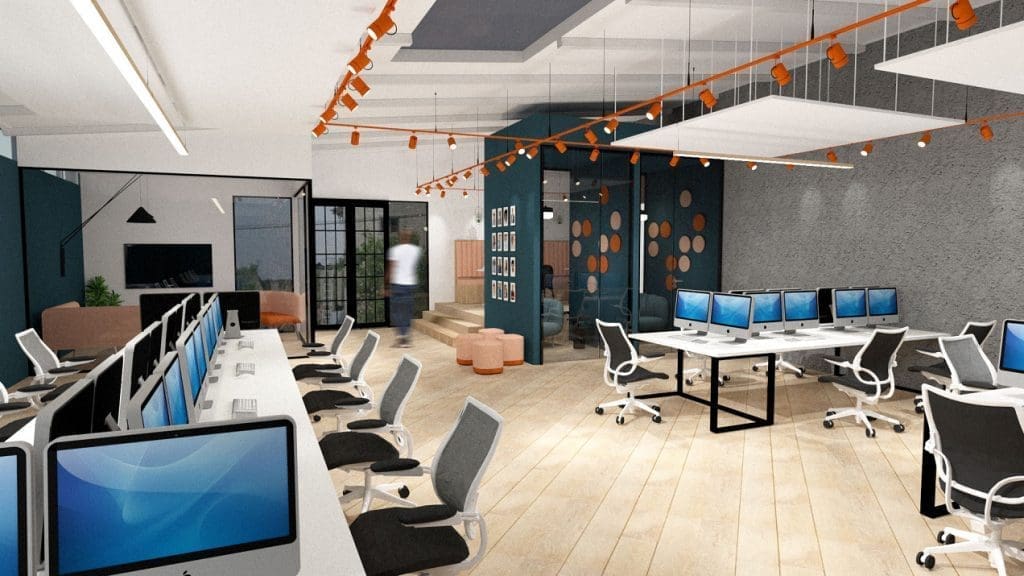
As Singapore embraces the year 2023, the home decor scene continues to evolve with new trends and styles that shape the way we design our living spaces. This article explores the latest trends in home decor in Singapore, highlighting the growing emphasis on sustainability, minimalist design, eclectic mixes, bold colors, and the rise of homegrown brands. Discover how you can incorporate these trends into your own home to create a stylish, unique, and environmentally conscious living environment.
What are the latest trends in home decor in Singapore?
Sustainable materials
With a heightened awareness of sustainability, Singaporeans are increasingly opting for home decor items made from eco-friendly materials like bamboo, cork, and recycled plastics. This trend reflects a desire to create a greener and more environmentally responsible home.
Minimalist design
The minimalist design aesthetic remains popular in Singapore, with its emphasis on clean lines, clutter-free spaces, and a sense of calm. Many homeowners combine minimalist design with sustainable materials, creating a stylish and eco-friendly living space.
Eclectic mix
Singaporeans are embracing the trend of mixing and matching different styles and eras to create a unique and personalized home. This can be achieved by blending vintage pieces with modern furniture or incorporating traditional Asian elements with Western influences, resulting in an eclectic and visually captivating space.
Bold colors
Vibrant and bold colors are making a comeback in Singaporean homes, adding personality and energy to living spaces. Homeowners are opting for colorful accessories such as pillows, rugs, and artwork to create focal points and express their individual style.
Homegrown brands
Singapore is witnessing a rise in homegrown home decor brands that offer unique and stylish pieces. These brands often prioritize locally-sourced materials and sustainable practices, appealing to eco-conscious consumers who are seeking distinct and environmentally friendly home decor options.
How can I incorporate these trends into my own home?
To incorporate these trends into your own home, consider the following steps:
Reflect on your personal taste: Assess your preferences, favorite colors, and the styles that resonate with you. This self-awareness will guide your choices and ensure that your home decor reflects your personality.
Mix and match styles: Don’t hesitate to blend different styles and eras in your home decor. Draw inspiration from magazines, online platforms, or even other people’s homes to create a unique and personalized space that reflects your individuality.
Embrace bold colors: Experiment with bold colors that you love and that complement your home’s overall style. A well-placed pop of color can add vibrancy and visual interest to any room.
Support homegrown brands: Explore the growing number of homegrown home decor brands in Singapore. By supporting these local brands, you contribute to the local economy and gain access to unique and stylish pieces that add a distinctive touch to your home.
As home decor trends evolve in Singapore, it’s an exciting time to transform your living space into a stylish and eco-conscious haven. Incorporating sustainable materials, minimalist design, eclectic mixes, bold colors, and supporting homegrown brands can elevate your home’s aesthetics and reflect your personal style.If you’re ready to embark on a home decor journey that aligns with the latest trends and showcases your unique taste, consider partnering with Ovon-D. As a trusted name in the industry, Ovon-D offers professional expertise in creating stunning and sustainable living spaces. Contact Ovon-D today to collaborate with their experienced team of designers and turn your home into a beautiful reflection of your style and values. Begin your home decor transformation with Ovon-D and create a space that truly feels like home.
Commercial interior design plays a crucial role in creating successful and thriving businesses. It involves the planning, design, and decoration of commercial spaces such as offices, retail stores, restaurants, hotels, and public areas. In this article, we will explore the importance of commercial interior design and the benefits of hiring a professional designer. Additionally, we will provide insights on how to choose the right commercial interior designer for your project.
What is commercial interior design?
Commercial interior design focuses on optimizing the functionality, aesthetics, and overall user experience of commercial spaces. It goes beyond mere decoration, considering factors such as space planning, lighting, acoustics, branding, and ergonomics. The goal is to create an environment that is not only visually appealing but also supports the specific needs and goals of the business.
Why is commercial interior design important?
Commercial interior design holds immense importance for businesses due to its impact on various aspects:
Increased productivity: A well-designed workspace can greatly enhance productivity by optimizing the layout, providing comfortable and functional furniture, and incorporating elements that promote focus and efficiency.
Improved employee morale: A thoughtfully designed commercial space can contribute to positive employee experiences, fostering a sense of well-being, satisfaction, and engagement.
Enhanced customer satisfaction: An inviting and well-designed commercial space can leave a lasting impression on customers, making them feel welcome, comfortable, and more likely to engage with your products or services.
Positive company image: A professionally designed interior creates a positive image for your company, reflecting your brand identity and values. It can help build trust, credibility, and differentiate your business from competitors.
What are the benefits of hiring a commercial interior designer?
Hiring a commercial interior designer offers numerous benefits for businesses:
Tailored space: A professional designer will work closely with you to understand your specific needs, requirements, and brand identity, translating them into a customized design that aligns with your vision.
Keeping up with trends: Design trends evolve over time, and a commercial interior designer stays updated with the latest industry trends, ensuring your space remains fresh, modern, and relevant.
Maximizing budget: An experienced designer can help you get the most out of your budget by making informed decisions about materials, finishes, and furniture. They have the expertise to balance quality, aesthetics, and cost-effectiveness.
Avoiding costly mistakes: Designing a commercial space involves various technical considerations. A professional designer has the knowledge and experience to avoid costly mistakes, ensuring that the project progresses smoothly and within the allocated budget.
How to choose a commercial interior designer?
When selecting a commercial interior designer, consider the following factors:
Experience: Look for a designer with a proven track record and relevant experience in commercial interior design. They should understand the unique challenges and requirements of commercial spaces.
Portfolio: Review their portfolio to assess their design style, creativity, and ability to deliver projects that resonate with your vision.
Budget: Discuss your budget upfront and ensure that the designer can work within your financial constraints without compromising on quality.
Style: Consider the designer’s aesthetic and whether it aligns with your brand and desired atmosphere. Look for someone who can incorporate your preferences while offering their professional expertise.
Availability: Ensure that the designer has the capacity and availability to take on your project within your desired timeline.
Commercial interior design is a crucial aspect of creating thriving and successful businesses. It directly influences productivity, employee morale, customer satisfaction, and the overall image of a company. By hiring a professional commercial interior designer, you can leverage their expertise to create a tailored and visually appealing space that meets your specific needs and reflects your brand identity. Ovon-D, a trusted name in the field of commercial interior design, can assist you in bringing your vision to life. Their team of experienced designers understands the importance of functionality, aesthetics, and budget considerations.
Take the next step towards enhancing your business environment by contacting Ovon-D today. Let them transform your commercial space into an inspiring and productive environment that will leave a lasting impression on both employees and customers
As we step into 2023, the world of commercial interior design continues to evolve and shape the way we experience workspaces. Design trends play a crucial role in creating environments that are not only visually appealing but also functional and conducive to productivity. In this article, we will explore the top trends in commercial interior design for 2023, highlighting their significance and providing insights on how to incorporate them into your own commercial space.
What are the top trends in commercial interior design for 2023?
Biophilic design
Incorporating elements from nature, such as plants and natural materials, biophilic design brings a sense of calmness and productivity to commercial spaces.
Sustainable design
With increasing environmental consciousness, sustainable design focuses on utilizing eco-friendly materials and implementing energy-efficient practices to create environmentally responsible spaces.
Flexible and collaborative spaces
Recognizing the need for adaptability, flexible and collaborative spaces allow for seamless transitions between individual work, group projects, and even remote work, fostering creativity and collaboration.
Authenticity
Moving away from generic designs, the authenticity trend embraces the unique characteristics of a space, creating an environment that reflects the company’s identity and values.
Bold colors
Vibrant and bold colors are making a comeback, injecting energy and excitement into commercial spaces, stimulating creativity and engagement.
Geometric shapes
Geometric patterns and shapes lend a modern and sophisticated touch to commercial interiors, adding visual interest and a sense of contemporary style.
Homey accessories
Adding personal touches, such as pillows, rugs, and artwork, creates a warm and inviting atmosphere, making employees and visitors feel more comfortable and at ease.
Sound softening
Noise pollution can be a major hindrance to productivity. Sound softening techniques, such as acoustic panels and strategic placement of furniture, help create a quieter and more peaceful working environment.
Outdoor spaces
Integrating outdoor areas into the built environment provides opportunities for relaxation, rejuvenation, and connection with nature, promoting well-being and a healthier work-life balance.
Why are these trends important?
These trends are crucial as they contribute to the creation of functional and enjoyable spaces for people to work in. By incorporating these trends, businesses can enhance employee well-being, productivity, and satisfaction. Moreover, staying up-to-date with current design trends can elevate a company’s image, making it more appealing to clients, partners, and top talent.
How can I incorporate these trends into my own commercial space?
To incorporate these trends into your commercial space, consider the following steps:
Consult a commercial interior designer: Engage with a professional who can understand your specific needs, budget, and vision. They will help translate these trends into a design plan tailored to your space.
Seek inspiration: Explore online resources and design magazines to gather ideas and inspiration. Look for examples of successful implementations of these trends and adapt them to suit your own unique requirements.
Prioritize functionality: While trends are important, it’s crucial to prioritize functionality and the specific needs of your business. Ensure that any design choices align with your workflow, company culture, and the comfort of your employees.
As we look ahead to 2023, the trends in commercial interior design offer exciting possibilities for transforming workspaces into innovative and inspiring environments. Incorporating elements such as biophilic design, sustainability, flexibility, authenticity, bold colors, geometric shapes, homey accessories, sound softening, and outdoor spaces can elevate your commercial space and enhance the well-being and productivity of your employees.To bring these trends to life and create a truly exceptional workspace, consider partnering with Ovon-D, a leading commercial interior design firm. With their expertise and passion for design, they can help you navigate the latest trends and craft a customized solution tailored to your unique needs and vision. Don’t miss the opportunity to create a remarkable workplace that reflects your brand identity and empowers your team. Contact Ovon-D today to embark on your journey towards a stunning and functional commercial interior design transformation.
Choosing the right commercial interior designer is a critical decision for any business looking to create an inviting and functional space that aligns with its brand identity. A commercial interior designer possesses the expertise to transform an ordinary workspace into an extraordinary one, maximizing its potential and enhancing the overall customer experience.However, with numerous options available, it can be challenging to navigate the selection process. This article will guide you through the essential considerations when choosing a commercial interior designer, including their role, the benefits they offer, qualities to look for, interviewing techniques, and helpful tips to make an informed decision. By following these guidelines, you can ensure that you find the perfect professional who will bring your vision to life and create a captivating environment for your business.
What is a Commercial Interior Designer?
Commercial interior designers are professionals who specialize in designing and creating functional and aesthetically pleasing spaces for businesses. They have the expertise to transform a plain office or retail space into a captivating environment that reflects the brand and enhances the overall customer experience.
What does a commercial interior designer do?
A commercial interior designer is responsible for understanding the unique needs and requirements of a business and translating them into a well-designed space. They collaborate with clients to create a vision for the interior design project and then bring that vision to life through careful planning, selection of materials, furniture, and accessories, and effective project management.
What are the benefits of hiring a commercial interior designer?
Hiring a commercial interior designer offers several benefits for businesses. Firstly, they have the knowledge and experience to optimize the functionality of the space, ensuring that it meets the specific needs of the business. Additionally, they can create a visually appealing environment that aligns with the brand’s identity and enhances the overall customer experience. A commercial interior designer can also help with maximizing space utilization, improving workflow, and incorporating sustainable design practices.
What to Look for in a Commercial Interior Designer?
When choosing a commercial interior designer, there are several important factors to consider:
Experience and qualifications: Look for a designer with relevant experience and qualifications in commercial interior design. A designer who has worked on similar projects in the past will have a better understanding of the unique challenges and requirements of commercial spaces.
Portfolio: Review the designer’s portfolio to assess their style, creativity, and attention to detail. Look for projects that resonate with your vision and reflect the type of design you want for your business.
Communication skills: Effective communication is essential for a successful designer-client relationship. Choose a designer who listens attentively to your needs, asks relevant questions, and communicates their ideas clearly.
Budget and timeline: Discuss your budget and timeline upfront with the designer to ensure they can work within your constraints. A good designer will be transparent about costs and timelines and help you make informed decisions.
Design style: Every designer has their own unique style. Consider whether their design aesthetic aligns with your brand and preferences. Look for a designer who can bring your vision to life while adding their professional expertise.
Availability: Find out if the designer is available to take on your project within your desired timeframe. Consider their workload and commitments to ensure they can dedicate sufficient time and attention to your project.
How to Interview a Commercial Interior Designer?
To make an informed decision, conduct interviews with potential commercial interior designers. During the interview, focus on the following:
Ask about their experience and qualifications: Inquire about their previous commercial projects, the challenges they faced, and how they resolved them. Assess their level of expertise and whether it aligns with your needs.
Review their portfolio: Request to see their portfolio and discuss the specific projects showcased. Pay attention to their attention to detail, creativity, and ability to tailor their designs to suit different businesses.
Discuss your budget and timeline: Be transparent about your budget and desired timeline, and ask the designer how they can work within these constraints. Their response will give you insight into their ability to deliver on time and within budget.
Talk about your design style: Share your vision and design preferences with the designer and assess their understanding and receptiveness to your ideas. A good designer will be able to incorporate your preferences while adding their professional expertise.
Ask about their availability: Inquire about their current workload and availability to ensure they can commit the necessary time and attention to your project.
Selecting the right commercial interior designer is a pivotal step towards achieving a remarkable and impactful workspace for your business. By considering factors such as experience, qualifications, communication skills, budget, timeline, design style, and availability, you can make an informed decision that aligns with your vision. Remember to review portfolios, conduct interviews, and trust your instincts throughout the process. If you’re ready to transform your business space with the help of a professional commercial interior designer, reach out to Ovon – D today. Their team of experienced designers is dedicated to creating exceptional environments that elevate your brand and create a lasting impression on clients and employees alike. Take the first step towards a stunning workspace by contacting Ovon – D and let them bring your vision to life.
Selecting the right commercial interior designer is crucial for businesses aiming to create a captivating and functional workspace. A commercial interior designer possesses the expertise and creativity to transform an ordinary space into an extraordinary environment that reflects the brand’s identity and enhances productivity.In this article, we will provide a step-by-step guide on how to choose a commercial interior designer. From evaluating their experience, portfolio, and style to conducting effective interviews and ensuring clear communication, this guide will help you make an informed decision when selecting the ideal commercial interior designer for your project.
What is a commercial interior designer?
A commercial interior designer is a professional who specializes in creating functional and visually appealing spaces for businesses. They possess a deep understanding of commercial design principles, industry regulations, and the latest trends. Commercial interior designers collaborate with clients to understand their goals, brand image, and specific requirements to develop a design plan that aligns with their vision and enhances the functionality and aesthetics of the space.
Why is it important to choose a good commercial interior designer?
Choosing a good commercial interior designer is essential for several reasons:
Expertise and creativity: A skilled commercial interior designer has the knowledge and creative vision to transform a space into a unique and engaging environment. They understand how to optimize the functionality of the space while incorporating design elements that reflect the brand’s identity.
Time and cost efficiency: A good commercial interior designer can streamline the design process, reducing the chances of costly mistakes or delays. Their experience enables them to navigate challenges efficiently, ensuring a smooth project timeline and budget management.
Exceptional results: By selecting a reputable commercial interior designer, you increase the likelihood of achieving outstanding results that exceed your expectations. They have the expertise to combine aesthetics, functionality, and brand representation in a cohesive manner, resulting in a space that wows.
What Is The Key factors to consider when choosing a commercial interior designer?
The designer’s experience
Evaluate the designer’s experience in the commercial sector. Consider their track record, the number of years they have been in the industry, and their familiarity with projects similar to yours.
The designer’s portfolio
Review the designer’s portfolio to assess their design style, attention to detail, and ability to create spaces that align with different brand identities. Look for diversity in their portfolio to ensure they can adapt to various design requirements.
The designer’s style
Consider the designer’s style and determine if it aligns with your vision and preferences. While they should bring their expertise, it’s crucial to find someone who can understand and translate your specific design goals into reality.
The designer’s budget
Discuss the budget with potential designers to ensure they can work within your financial parameters. A good designer will provide transparency regarding costs and help you make informed decisions without compromising the quality of the design.
How to interview a commercial interior designer?
Ask the right questions
Prepare a list of questions that delve into the designer’s experience, design process, and their understanding of your project’s unique requirements. Inquire about their approach to problem-solving, their ability to meet deadlines, and their communication style.
Get everything in writing
Once you have selected a commercial interior designer, ensure that all project details, including timelines, costs, and deliverables, are documented in a formal contract. This will provide clarity and protect both parties throughout the design process.Choosing the right commercial interior designer is a crucial step in creating a remarkable workspace that aligns with your vision and enhances your business’s success. The expertise, creativity, and attention to detail that a skilled commercial interior designer brings to the table can transform an ordinary space into an extraordinary environment. Ovon-D, a leading commercial interior design firm, offers a wealth of experience, a diverse portfolio, and a commitment to delivering exceptional results. Their team of talented designers understands the unique requirements of commercial projects and has a proven track record of bringing visions to life. Contact Ovon-D today to discuss your commercial interior design needs and embark on a design journey that will exceed your expectations.
Commercial interior design is a dynamic field that constantly evolves to meet the changing needs and preferences of businesses and their employees. Staying up-to-date with the latest trends in commercial interior design is essential for creating spaces that are not only visually appealing but also functional and innovative.In this article, we will explore the importance of following design trends in the commercial sector and highlight some of the top trends to watch out for in 2023. From sustainability and flexibility to collaboration, wellness, and technology, these trends are shaping the future of commercial interior design.
What are trends in commercial interior design?
Trends in commercial interior design refer to the prevailing styles, techniques, and concepts that are being widely adopted and implemented in commercial spaces. These trends are driven by evolving business needs, advancements in technology, changing work cultures, and the desire to create environments that promote productivity, employee well-being, and customer satisfaction.
Why are they important?
Staying abreast of trends in commercial interior design is crucial for businesses for several reasons:
Keeping up with the competition
Businesses that embrace current design trends have a competitive edge over those that stick to outdated styles. By aligning with the latest trends, businesses can create spaces that appeal to customers and employees, setting themselves apart from their competitors.
Meeting evolving needs
Commercial interior design trends often emerge in response to changing workplace dynamics and employee expectations. By following these trends, businesses can adapt their spaces to meet the evolving needs of their workforce, resulting in increased productivity and employee satisfaction.
Enhancing brand image
Commercial spaces that reflect the latest design trends convey a sense of innovation, modernity, and professionalism. This enhances the brand image and creates a positive impression among customers, employees, and business partners.
Top trends in commercial interior design for 2023
Sustainability: With a growing focus on environmental consciousness, businesses are prioritizing sustainable design practices. This includes using eco-friendly materials, energy-efficient lighting, and implementing recycling and waste management systems to reduce their environmental impact.
Flexibility: The traditional concept of a fixed workspace is giving way to flexible and adaptable environments. Businesses are embracing open floor plans, modular furniture, and multipurpose spaces that can be easily reconfigured to accommodate changing needs and promote collaboration.
Collaboration: Collaboration is becoming increasingly important in the workplace. As a result, commercial interior design is incorporating collaborative workspaces such as communal areas, breakout zones, and flexible meeting rooms that encourage interaction, brainstorming, and idea-sharing among employees.
Wellness: Recognizing the importance of employee well-being, businesses are prioritizing wellness-focused design elements. This includes incorporating natural lighting, providing ergonomic furniture, creating spaces for relaxation and mindfulness, and integrating biophilic design principles that connect people with nature.
Technology: Technology continues to shape the way we work, and commercial interior design is leveraging its potential. This includes incorporating smart devices, integrated audio-visual systems, IoT connectivity, and wireless charging stations to create tech-enabled spaces that enhance productivity and efficiency.
As the world of commercial interior design evolves, staying informed about the latest trends is essential for businesses aiming to create innovative and impactful spaces. The trends discussed in this article, including sustainability, flexibility, collaboration, wellness, and technology integration, are shaping the future of commercial design in 2023 and beyond. Embracing these trends can help businesses enhance productivity, employee satisfaction, customer experience, and brand image. To bring these trends to life and transform your commercial space into a remarkable environment, partnering with a reputable commercial interior design firm is crucial.
Ovon-D is a trusted name in the industry, known for their expertise, creativity, and commitment to delivering outstanding results. Contact Ovon-D today to explore how their professional design services can help you stay ahead of the curve and create a commercial space that exceeds your expectations.
Commercial interior design plays a crucial role in shaping the success of businesses across various industries. It goes beyond aesthetics and focuses on creating functional, appealing, and productive spaces that have a positive impact on employees, customers, and the overall brand image. In this article, we will explore what commercial interior design entails, why it is important, and the numerous benefits it offers to businesses. Additionally, we will provide insights on how to choose a reliable commercial interior designer who can bring your vision to life.
What is commercial interior design?
Commercial interior design involves the strategic planning, design, and execution of interior spaces for businesses. It takes into account factors such as functionality, traffic flow, branding, employee well-being, and customer experience. Commercial interior designers collaborate with clients to understand their specific requirements and create spaces that align with their goals and values.
Why is it important?
Increased productivity: A well-designed commercial space can significantly enhance productivity levels among employees. Thoughtful space planning, adequate lighting, comfortable furniture, and ergonomic considerations can create a conducive work environment, minimizing distractions and maximizing efficiency.
Improved employee satisfaction: Employees spend a significant amount of time in the workplace. A visually appealing and comfortable office environment can boost morale, improve job satisfaction, and contribute to employee well-being. This, in turn, leads to increased employee retention and a positive work culture.
Increased customer satisfaction: The interior design of commercial spaces directly impacts the customer experience. An inviting and well-designed space can create a positive first impression, foster customer loyalty, and encourage repeat business. Thoughtful design elements such as intuitive layout, comfortable seating, and appealing aesthetics can greatly influence customer satisfaction.
Enhanced brand image: Commercial interior design allows businesses to visually communicate their brand identity and values. Through the strategic use of colors, materials, signage, and branding elements, a cohesive and consistent brand image can be established. This helps in creating a memorable and distinct identity in the minds of customers.
Increased sales: A well-designed commercial space can have a direct impact on sales and revenue. Aesthetically pleasing displays, effective product placement, and intuitive customer flow can encourage customers to explore more products, make purchases, and even recommend the business to others.
How to choose a commercial interior designer
Do your research
Before selecting a commercial interior designer, research their portfolio, credentials, and experience. Look for designers who have worked on projects similar to yours and have a track record of delivering successful results.
Interview multiple designers
Schedule consultations with multiple designers to discuss your vision, goals, and budget. Assess their communication skills, creativity, and ability to understand your specific requirements. This will help you find a designer who aligns with your vision and can bring it to life effectively.
Get everything in writing
Once you have chosen a commercial interior designer, ensure that all aspects of the project, including timelines, costs, and deliverables, are documented in a formal contract. This helps avoid any misunderstandings or conflicts during the designCommercial interior design plays a vital role in the success of businesses, offering a range of benefits that positively impact productivity, employee satisfaction, customer satisfaction, brand image, and sales. It is a strategic investment that can transform a mundane space into a captivating environment that reflects the essence of your business. To ensure the best results, it’s crucial to partner with a reliable and experienced commercial interior design firm. Ovon-D is a trusted name in the industry, known for their creativity, attention to detail, and commitment to client satisfaction. With their expertise, they can bring your vision to life and create a space that not only impresses but also drives your business forward. Take the first step toward unlocking the full potential of your commercial space by contacting Ovon-D today.
In today’s competitive business landscape, creating an attractive and functional commercial space is essential for success. Commercial interior design plays a vital role in shaping the environment where businesses operate. This article will explore the key factors to consider when designing a commercial space in Singapore, focusing on the importance of understanding the target audience, aligning with the business’s brand identity, optimizing the space’s function, working within a budget, complying with legal requirements, and minimizing the environmental impact. Additionally, we will provide tips for choosing a reputable commercial interior designer in Singapore.
What is commercial interior design?
Commercial interior design involves the process of creating aesthetically pleasing and functional environments for businesses. It goes beyond mere decoration and considers the strategic arrangement of spaces, furniture, lighting, and other elements to optimize productivity, efficiency, and customer experience. Commercial interior design encompasses various industries, including retail stores, offices, restaurants, hotels, and healthcare facilities, each with its unique requirements and considerations.
Why is it important for businesses in Singapore?
In Singapore’s competitive business landscape, where first impressions matter, having a well-designed commercial space is crucial. An appealing interior design can attract customers, create a positive brand image, enhance employee productivity, and ultimately contribute to business success. Moreover, Singaporeans value aesthetics and quality, and a thoughtfully designed commercial space can set a business apart from its competitors.
What Is The Key factors to consider when designing a commercial space in Singapore?
The target audience
Understanding the preferences, needs, and demographics of the target audience is essential. Consider factors such as age, lifestyle, and cultural background when designing the space to create an environment that resonates with the target customers.
The business’s brand identity
The interior design should align with the business’s brand image, values, and personality. Consistency in design elements, colors, and materials can reinforce brand recognition and help create a cohesive customer experience.
The space’s function
Analyze the specific requirements of the business and the intended use of the space. Consider factors such as traffic flow, furniture placement, lighting, and acoustics to ensure optimal functionality and comfort.
The budget
Establish a realistic budget and prioritize design elements accordingly. A professional commercial interior designer can help make the most of the available budget by suggesting cost-effective options and avoiding unnecessary expenses.
The legal requirements
Ensure compliance with relevant building codes, safety regulations, and accessibility guidelines. Engage professionals who have a good understanding of local laws and regulations to ensure a smooth and compliant design process.
The environmental impact
Incorporate sustainable design practices to minimize the environmental footprint of the commercial space. Use energy-efficient lighting, eco-friendly materials, and consider implementing recycling and waste management systems.Is There Any Tips for choosing a commercial interior designer in Singapore?
Do your research
Look for experienced commercial interior designers in Singapore who have a portfolio showcasing their expertise in creating spaces similar to your requirements. Check online reviews, testimonials, and ratings to gauge their reputation and customer satisfaction.
Interview multiple designers
Schedule consultations with different designers to discuss your vision, goals, and budget. Evaluate their communication skills, creativity, and ability to understand your business’s unique needs before making a decision.
Get everything in writing
Once you have selected a commercial interior designer, ensure that all terms, timelines, and costs are documented in a formal contract. This helps prevent misunderstandings and ensures clarity throughout the design process.
In the bustling world of commercial spaces, designing an environment that captivates and delights is paramount for businesses in Singapore. By considering key factors such as understanding the target audience, aligning with brand identity, optimizing functionality, managing budgets, meeting legal requirements, and minimizing environmental impact, businesses can create spaces that truly wow. However, navigating the complexities of commercial interior design requires expertise and guidance. That’s where Ovon-D, a leading commercial interior design firm in Singapore, comes in. With their extensive experience, creative vision, and commitment to excellence, Ovon-D can transform your commercial space into a stunning masterpiece that reflects your brand and engages your audience. Contact Ovon-D today to embark on a design journey that will elevate your business to new heights.
Welcome to our comprehensive guide on how office interior design can significantly impact work efficiency. In today’s competitive business landscape, companies are constantly seeking ways to optimize their operations and enhance employee productivity. While various factors contribute to an efficient work environment, office interior design plays a crucial role in shaping the overall atmosphere and employee well-being.In this article, we will delve into the key aspects of office interior design that directly influence work efficiency. From ergonomics and lighting to color psychology and collaborative spaces, we will explore the strategies and techniques that can help businesses create a workspace conducive to productivity.
What Is The Importance of Office Interior Design?
A well-designed office space goes beyond aesthetics; it can have a profound impact on the well-being, motivation, and productivity of employees. When employees are provided with a thoughtfully designed workspace that considers their physical and psychological needs, they are more likely to perform at their best.
Ergonomics: Enhancing Comfort and Performance
Heading: Boosting Productivity Through Ergonomic FurnitureErgonomics is a crucial aspect of office interior design that focuses on creating a workspace that promotes comfort and reduces the risk of musculoskeletal disorders. By providing employees with ergonomic furniture such as adjustable chairs, standing desks, and supportive keyboards, companies can enhance employee comfort, reduce fatigue, and minimize the occurrence of work-related injuries.Sub-heading: The Benefits of Adjustable FurnitureInvesting in adjustable furniture offers numerous benefits for both employees and employers. By allowing employees to customize their workstations according to their preferences and body measurements, adjustable furniture promotes proper posture and reduces the strain on the neck, back, and wrists. This, in turn, leads to higher levels of comfort and improved productivity.Sub-heading: The Rise of Standing DesksIn recent years, standing desks have gained popularity due to their potential health benefits and positive impact on productivity. Standing while working can help combat the sedentary lifestyle associated with prolonged sitting, improve blood circulation, and boost energy levels. Furthermore, standing desks often feature height adjustability, enabling employees to switch between sitting and standing positions throughout the day, thereby promoting movement and reducing the risk of developing health issues.
Lighting: Illuminating the Path to Productivity
Heading: Harnessing Natural Light for Optimal ProductivityProper lighting is a critical factor in office interior design, as it can significantly affect employees’ mood, focus, and overall well-being. Natural light, in particular, is highly beneficial for productivity. By incorporating large windows and skylights, offices can maximize the use of natural daylight, which has been shown to improve mood, increase alertness, and reduce eye strain. Exposure to natural light also helps regulate the body’s circadian rhythm, leading to better sleep quality and increased productivity during working hours.Sub-heading: The Role of Artificial LightingWhile natural light is desirable, it is essential to supplement it with suitable artificial lighting options. Well-designed lighting systems with adjustable brightness levels and color temperatures allow employees to create an environment that suits their tasks and preferences. Properly lit workspaces can prevent eye strain, reduce headaches, and maintain a comfortable ambiance conducive to focused work.
Color Psychology: Painting the Path to Success
Heading: Color Psychology in Office DesignThe strategic use of colors in office interior design can have a profound impact on employee productivity and emotional well-being. Different colors evoke specific emotions and can influence cognitive performance and concentration levels.Sub-heading: The Calming Effect of Blue and GreenBlue and green are known for their calming and soothing effects. These colors can create a sense of tranquility and relaxation, which can be beneficial in high-stress environments. Incorporating shades of blue or green in areas where employees need to focus and concentrate, such as individual workstations or meeting rooms, can promote a sense of calm and enhance productivity.Sub-heading: The Energizing Power of Yellow and OrangeYellow and orange are vibrant and energetic colors that can stimulate creativity and positivity. Introducing these colors in collaborative spaces or areas where brainstorming and ideation take place can foster a lively atmosphere and encourage innovative thinking among employees.
Collaborative Spaces: Fostering Innovation and Teamwork
Heading: Boosting Collaboration Through Thoughtful DesignIn today’s modern work environment, collaboration and teamwork play a crucial role in driving innovation and achieving business goals. Office interior design can facilitate collaboration by providing dedicated spaces that encourage interaction and idea-sharing.Sub-heading: The Rise of Open Office LayoutsOpen office layouts have gained popularity in recent years due to their potential to enhance communication and teamwork. These layouts feature a flexible arrangement of desks and communal areas that promote spontaneous interactions, facilitate knowledge sharing, and nurture a sense of camaraderie among employees.Sub-heading: Creating Functional and Inspiring Collaboration AreasIn addition to open office layouts, creating designated collaboration areas can further support teamwork and innovation. These spaces can be equipped with comfortable seating, whiteboards, and multimedia tools to facilitate brainstorming sessions, project discussions, and creative problem-solving.
Boosting Productivity: How Office Interior Design Impacts Work Efficiency
A well-designed office interior can have a profound impact on work efficiency. By considering the principles of ergonomics, optimizing lighting conditions, utilizing color psychology, and fostering collaboration, businesses can create a workspace that empowers employees and enhances their productivity.In summary, office interior design is a powerful tool that goes beyond aesthetics. It influences employees’ physical and psychological well-being, motivation levels, and overall work performance. By prioritizing elements such as ergonomics, lighting, color psychology, and collaborative spaces, companies can create an environment that supports and boosts productivity.
FAQs
FAQ 1: How does office interior design impact employee well-being?
Office interior design can significantly impact employee well-being by providing a comfortable and inspiring workspace. Elements such as ergonomic furniture, ample natural light, and well-designed collaborative spaces contribute to employee satisfaction, reduce stress levels, and promote a positive work environment.
FAQ 2: Can the choice of colors in office interior design affect productivity?
Yes, the choice of colors in office interior design can affect productivity. Colors evoke specific emotions and can influence cognitive performance. For example, blue and green promote calmness and concentration, while yellow and orange stimulate creativity and positivity.
FAQ 3: What role does lighting play in office productivity?
Lighting plays a crucial role in office productivity. Natural light improves mood, alertness, and reduces eye strain. Artificial lighting, when well-designed, can provide a comfortable ambiance and prevent headaches or eye fatigue, contributing to a conducive work environment.
FAQ 4: How can collaborative spaces enhance work efficiency?
Collaborative spaces foster teamwork, innovation, and knowledge sharing among employees. By creating areas designed for collaboration, such as open office layouts and dedicated collaboration zones, companies encourage interaction, idea generation, and effective communication, ultimately leading to improved work efficiency.
FAQ 5: Is standing desk a worthwhile investment for boosting productivity?
Standing desks have gained popularity for their potential health benefits and positive impact on productivity. They promote movement, improve blood circulation, and help combat the sedentary lifestyle associated with prolonged sitting, which can contribute to higher energy levels and increased productivity.
FAQ 6: What are some cost-effective ways to improve office interior design?
Improving office interior design does not always require a significant investment. Simple changes such as rearranging furniture to optimize space, adding plants for a touch of nature, or repainting walls with colors that enhance productivity can make a notable difference without breaking the budget.
In conclusion, optimizing office interior design is a strategic move that can have a profound impact on work efficiency and employee well-being. By focusing on elements such as ergonomics, lighting, color psychology, and collaborative spaces, businesses can create a workspace that promotes productivity, creativity, and teamwork. If you’re looking to transform your office environment and unlock the full potential of your team, consider partnering with Ovon-D, a leading expert in office interior design. With their expertise and innovative solutions, they can help you create a tailored workspace that inspires productivity and enhances employee satisfaction. Don’t wait any longer – contact Ovon-D today and take the first step towards boosting your productivity to new heights.
Creating inspiring educational environments is crucial for the holistic development and growth of students. The design and layout of school interiors play a significant role in shaping students’ learning experiences and fostering their creativity. In this article, we will explore the various aspects of school interior design that contribute to creating inspiring educational environments. From color schemes and furniture selection to lighting and innovative learning spaces, we will delve into the elements that make a difference in enhancing student engagement and motivation.
The Power of Colors: Enhancing the Learning Experience
Colors have a profound impact on our mood, emotions, and cognitive processes. When it comes to school interior design, choosing the right color schemes can significantly influence students’ learning experience. Vibrant and stimulating colors, such as blues, greens, and yellows, can evoke feelings of energy, creativity, and focus. On the other hand, warm and soothing colors, like pastels and neutrals, can create a calm and nurturing atmosphere.Using colors strategically in different areas of the school can also help with wayfinding and navigation. For instance, using different colors for each grade level or department can assist students in finding their way around the campus easily. Additionally, incorporating colors that align with the school’s brand identity can create a sense of belonging and pride among students and staff.
Furniture Selection: Comfort and Functionality
The furniture in a school plays a crucial role in supporting students’ comfort and facilitating various learning activities. When choosing furniture for classrooms and common areas, it is essential to consider both comfort and functionality. Ergonomic chairs and desks that promote good posture are vital for students’ physical well-being and focus during long periods of sitting.Flexible and modular furniture is gaining popularity in modern school interior design. Such furniture allows for versatile learning environments where students can collaborate, work independently, or engage in hands-on activities. Mobile whiteboards, adjustable tables, and flexible seating options, such as bean bags or standing desks, encourage movement and adaptability in the classroom.
Maximizing Natural Light: Brightening Minds
Natural light has a tremendous impact on mood, productivity, and overall well-being. Designing school interiors that maximize the use of natural light not only reduces energy consumption but also creates a positive and uplifting environment. Sunlight is known to enhance concentration and alertness, which are essential for effective learning.Strategically placing windows, skylights, and glass walls in classrooms and common areas can bring in ample natural light. Additionally, light shelves and light tubes can help distribute light evenly throughout the space. It is crucial to avoid heavy window coverings and ensure that the furniture layout does not obstruct the flow of natural light.
Innovative Learning Spaces: Breaking the Traditional Mold
Traditional classrooms with rows of desks and a teacher’s podium are gradually being replaced by innovative learning spaces that promote collaboration, critical thinking, and creativity. School interior design should incorporate versatile spaces that cater to different teaching methodologies and learning styles.Creating zones within the classroom, such as a reading nook, a maker space, or a technology corner, allows students to engage in diverse activities that stimulate their curiosity and exploration. Flexible seating options, writable walls, and interactive technology further enhance the learning experience and encourage active participation.
Sound Control: Ensuring a Distraction-Free Environment
Noise levels can significantly impact students’ ability to concentrate and learn effectively. School interior design should incorporate sound control measures to create a quiet and focused learning environment. Acoustic panels, sound-absorbing ceiling tiles, and carpeted floors can help reduce noise reverberation and create a more serene atmosphere.Additionally, designing classrooms and common areas with appropriate spatial arrangements can minimize noise distractions. For example, placing collaborative spaces away from quiet study areas can help maintain a conducive learning environment for all students.
Creating Inspiring Educational Environments: School Interior Design FAQs
FAQ 1: How can the use of color impact students’ learning experience?
Using color strategically in school interior design can evoke specific emotions and enhance students’ mood and focus. Vibrant colors can promote energy and creativity, while soothing colors create a calm and nurturing atmosphere.
FAQ 2: Why is furniture selection important in school interior design?
The right furniture selection ensures students’ comfort and supports various learning activities. Ergonomic and flexible furniture promotes good posture, adaptability, and collaborative work.
FAQ 3: What are the benefits of maximizing natural light in schools?
Maximizing natural light in schools improves students’ mood, productivity, and overall well-being. Sunlight enhances concentration and alertness, creating an optimal environment for learning.
FAQ 4: How can innovative learning spaces benefit students?
Innovative learning spaces promote collaboration, critical thinking, and creativity. They provide students with diverse environments and resources that stimulate curiosity and active participation.
FAQ 5: Why is sound control important in school interior design?
Sound control measures create a distraction-free environment, allowing students to concentrate and learn effectively. Acoustic panels, spatial arrangements, and noise-reducing materials contribute to a quieter atmosphere.
FAQ 6: How can school interior design foster a sense of belonging?
Incorporating colors that align with the school’s brand identity, creating zones within classrooms, and designing spaces that reflect students’ needs can foster a sense of belonging and pride.In conclusion, creating inspiring educational environments through thoughtful school interior design is crucial for the overall development and success of students. By incorporating elements such as colors, furniture selection, natural light, innovative learning spaces, and sound control measures, schools can provide an environment that fosters engagement, creativity, and a sense of belonging. If you’re looking to transform your school’s interior design and create an inspiring space for students, consider partnering with Ovon-D, a leading provider of innovative and customized interior design solutions. Visit their website atwww.ovon-d.com to learn more about their services and start creating an educational environment that truly inspires and empowers students to reach their full potential.

 If you’re ready to embark on a home decor journey that aligns with the latest trends and showcases your unique taste, consider partnering with Ovon-D. As a trusted name in the industry, Ovon-D offers professional expertise in creating stunning and sustainable living spaces. Contact Ovon-D today to collaborate with their experienced team of designers and turn your home into a beautiful reflection of your style and values. Begin your home decor transformation with Ovon-D and create a space that truly feels like home.
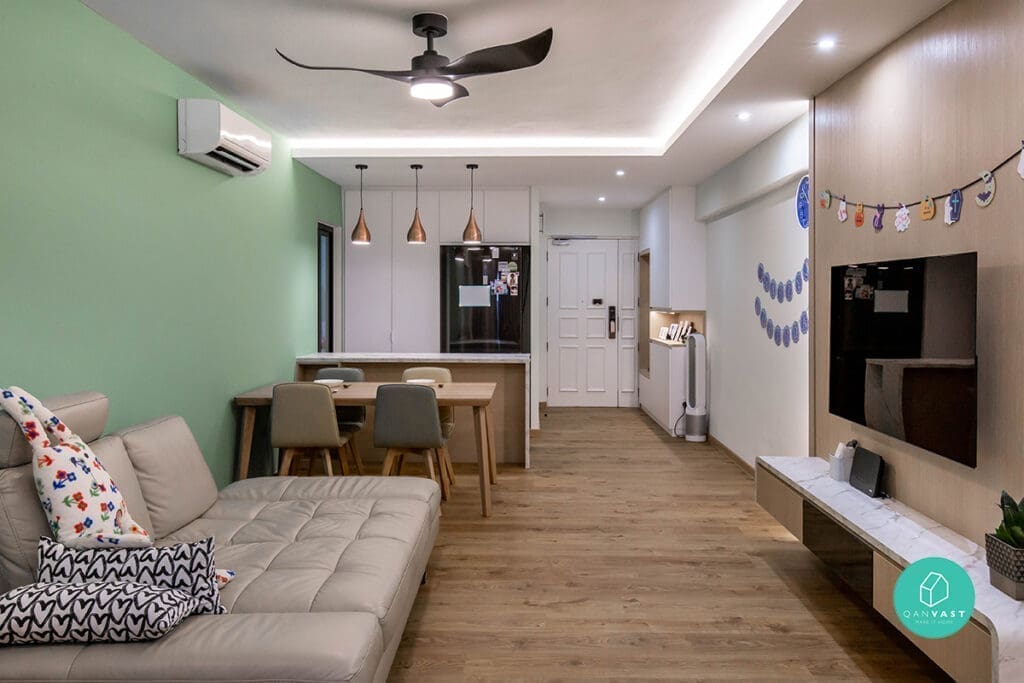


 If you’re ready to embark on a home decor journey that aligns with the latest trends and showcases your unique taste, consider partnering with Ovon-D. As a trusted name in the industry, Ovon-D offers professional expertise in creating stunning and sustainable living spaces. Contact Ovon-D today to collaborate with their experienced team of designers and turn your home into a beautiful reflection of your style and values. Begin your home decor transformation with Ovon-D and create a space that truly feels like home.