
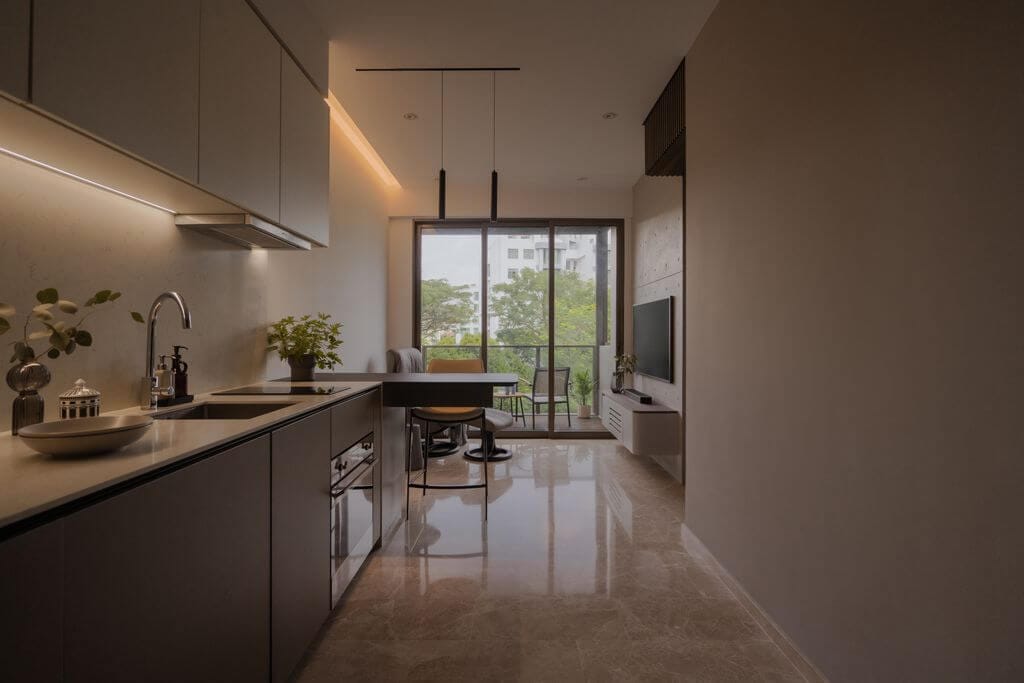
As condo interior designers, we know that many condo interior design ideas look pretty online but are hardly practical. You thumb through design trends, compile inspiration and see how it reflects on your own condo unit. Then the renovation journey begins, and suddenly things feel different.
Condo living in Singapore comes with real constraints. Confines of space, structural walls, plumbing stacks, and natural lighting conditions all dictate what can happen. On top of that, resale value considerations often sit quietly in the background.
We’ve worked on many condo renovation projects across Singapore, from small units to 4-bedroom units, including resale units and new condo developments. Each condo interior design project brings its own design challenges.
Rather than focusing on what works or doesn’t, we’re sharing a few design choices we would approach more thoughtfully in our own homes, based on our experience.

Layout Trend #1 — Over-Opening the Living Area
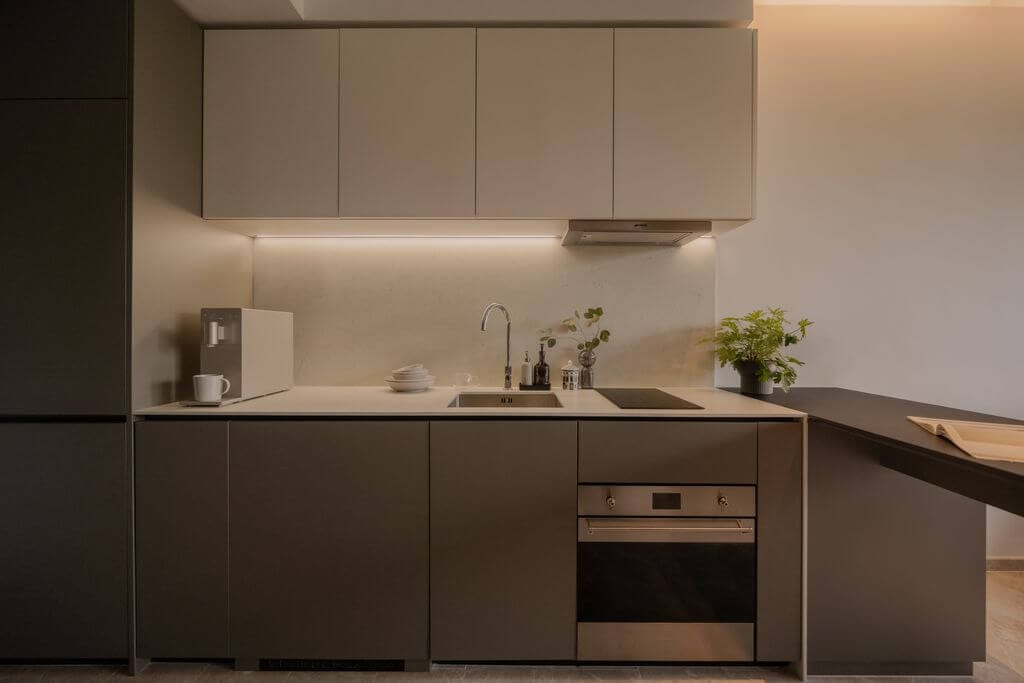
What homeowners often request
One of the most frequent requests is for open-concept condo layouts. The concept is relatively easy — tear down walls and make one big living space that blends dining, kitchen, and living room areas. It sounds appealing. It feels modern. Many online design ideas promote this as the best direction for condo interior design.Why does it become a problem?
In practice, we often see issues:- – Lack of zoning in the living space
- – Cooking smells are spreading across the home
- – Noise travels easily between areas
- – Reduced storage opportunities
A condo interior designer’s approach
Instead of fully opening up the space, we look more carefully at space planning. We might suggest:- – Partial partitions that define zones
- – Sliding glass dividers that keep the openness
- – Storage walls that serve dual functions
- – Furniture placement to create natural separation
Layout Trend #2 — Oversized Kitchen Islands in Small Condos
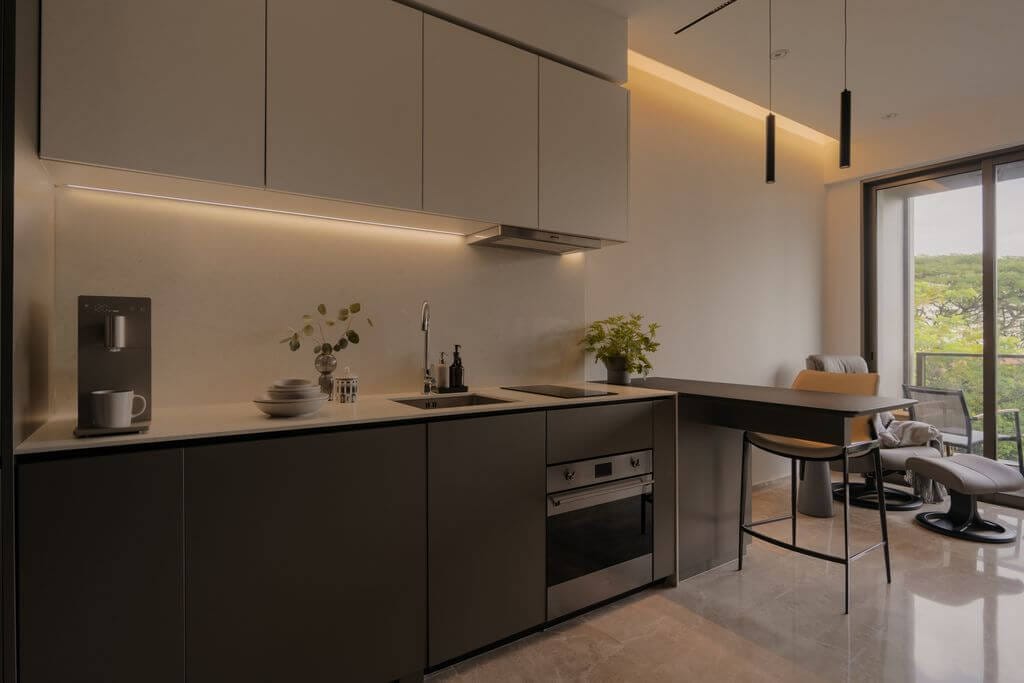
What homeowners imagine
A cavernous kitchen island is the centrepiece of a dream home. It looks impressive in design portfolios and commercial interior spaces.Why does it often fail
In a small condo, this quickly becomes impractical.- – Circulation becomes tight
- – Movement through the kitchen feels restricted
- – The island becomes underused
- – Workflow gets disrupted
A better alternative
For condo renovation in Singapore, we often suggest:- – Peninsula counters
- – Compact multifunction counters
- – Layouts like galley kitchens or L-shaped kitchens
Layout Trend #3 — Too Many Built-Ins Everywhere
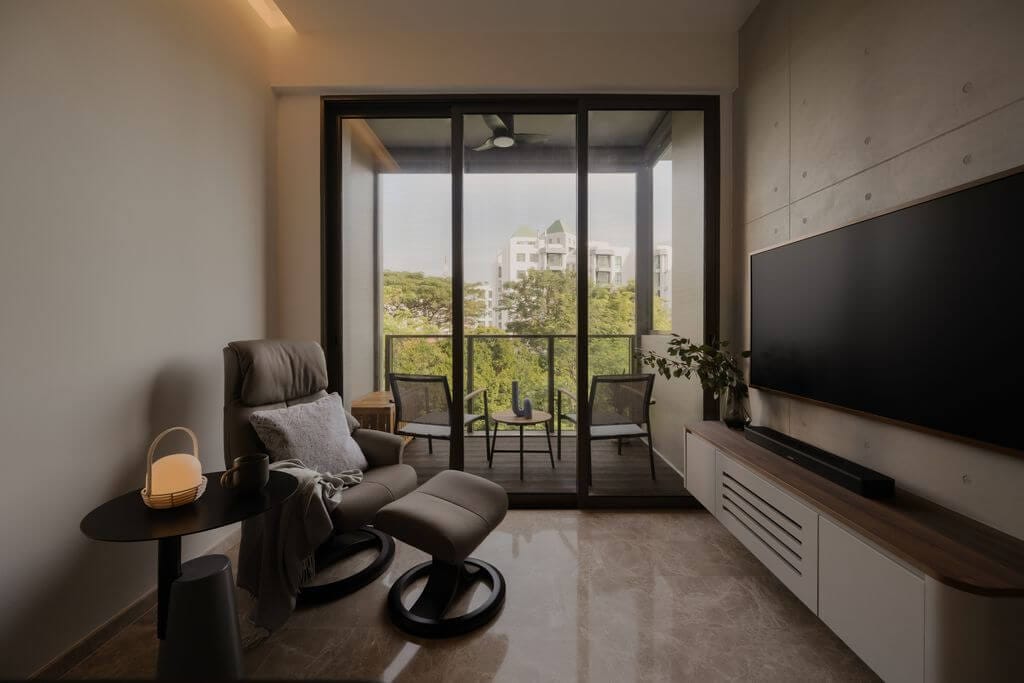
The common belief
More carpentry equals better storage. It feels logical, especially when space is limited.The hidden problems
In many condo interior design projects, this leads to:- – Visual clutter
- – Reduced flexibility
- – Higher cost of condo interior design
- – Built-ins that age quickly
A condo interior designer’s perspective
We look for balance. Not everything needs to be fixed in place. We usually recommend:- – Modular storage solutions
- – Open shelving combined with concealed storage
- – Multi-functional furniture
Layout Trend #4 — Blocking Natural Light
The design mistake
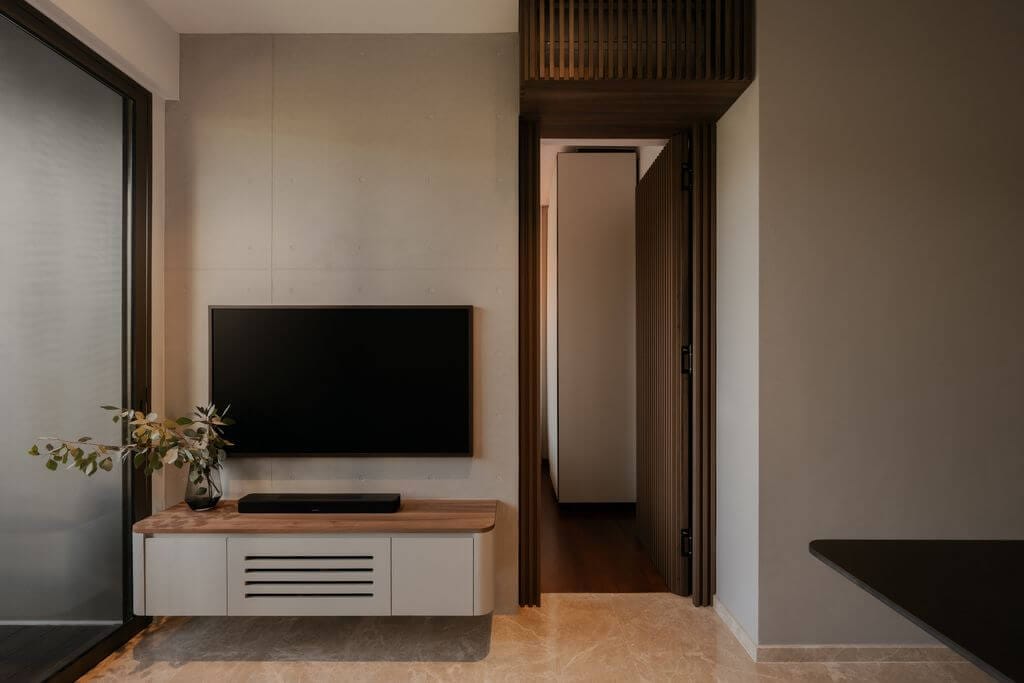
We often see tall carpentry, partitions, or dark materials placed near windows. It unintentionally blocks natural light.Why does it affect the whole home
When natural light is reduced:- – The space feels smaller
- – Ventilation is affected
- – The interior atmosphere becomes darker
How we approach it
We design condo interiors to maximise light flow:- – Open sightlines across the layout
- – Glass partitions instead of solid walls
- – Light-coloured laminates and finishes
- – Reflective surfaces like mirrors
Layout Trend #5 — Ignoring Lifestyle Patterns
The design mistake
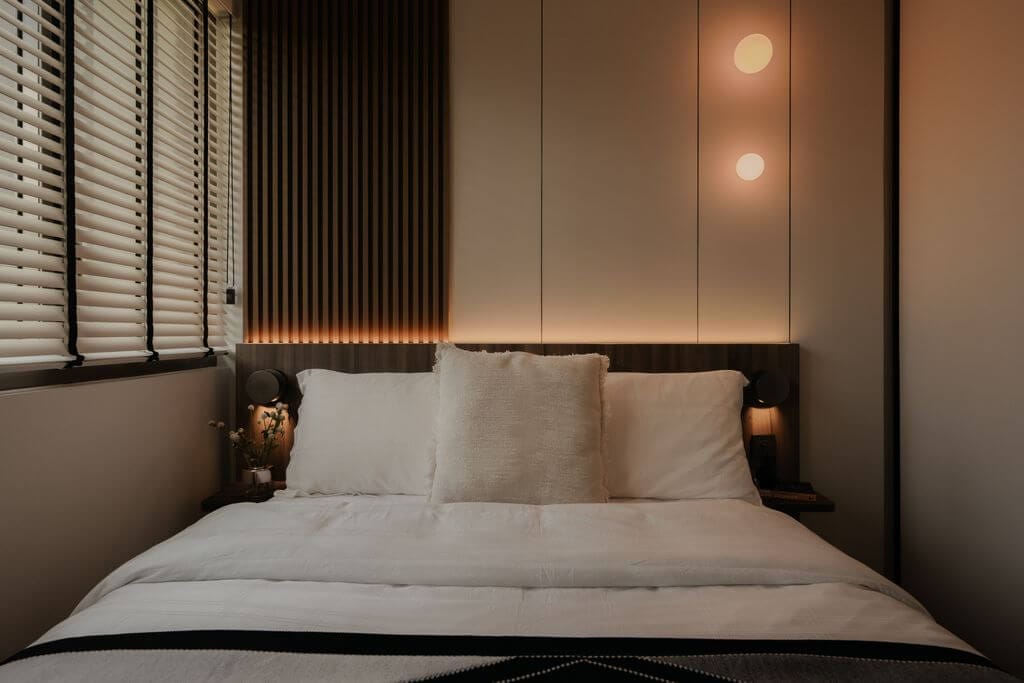
Designing based purely on aesthetics without thinking about how you live.What this looks like
- – Oversized wardrobes that go unused
- – Formal dining areas are rarely used
- – Insufficient workspace for daily needs
A condo interior designer’s approach
We always start with questions:- – How do you spend your day at home?
- – Which spaces do you use the most?
- – Do you cook often? Work from home? Entertain?
- – Movable partitions
- – Adjustable storage
- – Multi-functional furniture
Layout Choices That Always Work
After working on many condo renovation services across Singapore, certain design strategies consistently perform well. We focus on:- – Clear circulation paths
- – Flexible layouts
- – Smart storage
- – Natural light optimisation
- – Adaptable furniture
What We Would Prioritise in Our Own Condo
As condo interior designers, we approach our work shaped by experience. We prioritise:- – Clarity over complexity
- – Comfort over design trends
- – Flexibility over rigid carpentry
- – Long-term livability over short-term aesthetics


