
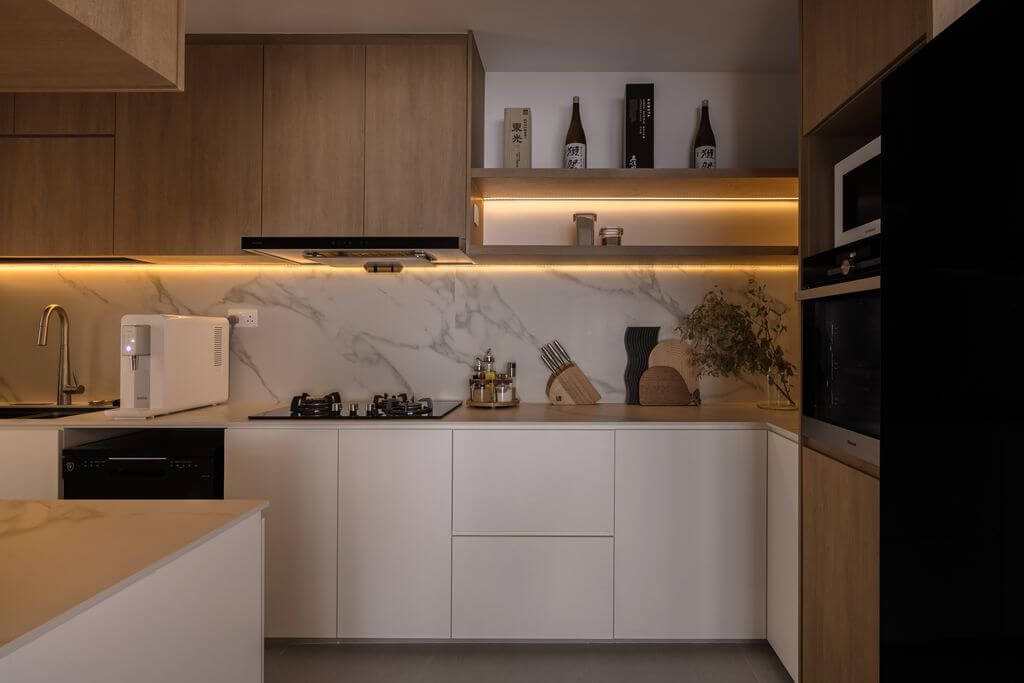
An HDB renovation in Singapore is often planned over inspiration boards, showroom visits and countless scrolls through interior design ideas. Many HDB homeowners get drawn to visuals that look polished but don’t always translate well into daily living.
As interior designer teams working closely with homeowners in Singapore, we’ve seen how certain renovation choices look good at the start but become difficult to live with. When we plan our own spaces, we think very differently about renovating an HDB flat.
In this article, we share what we would personally avoid, based on real renovation work, actual renovation journey experiences, and what we’ve learned through working with different flat types, including 2-room, 3-room, 4-room BTO, and even 5-room HDB flat layouts.
Designing an HDB Renovation Around Trends Instead of Daily Living
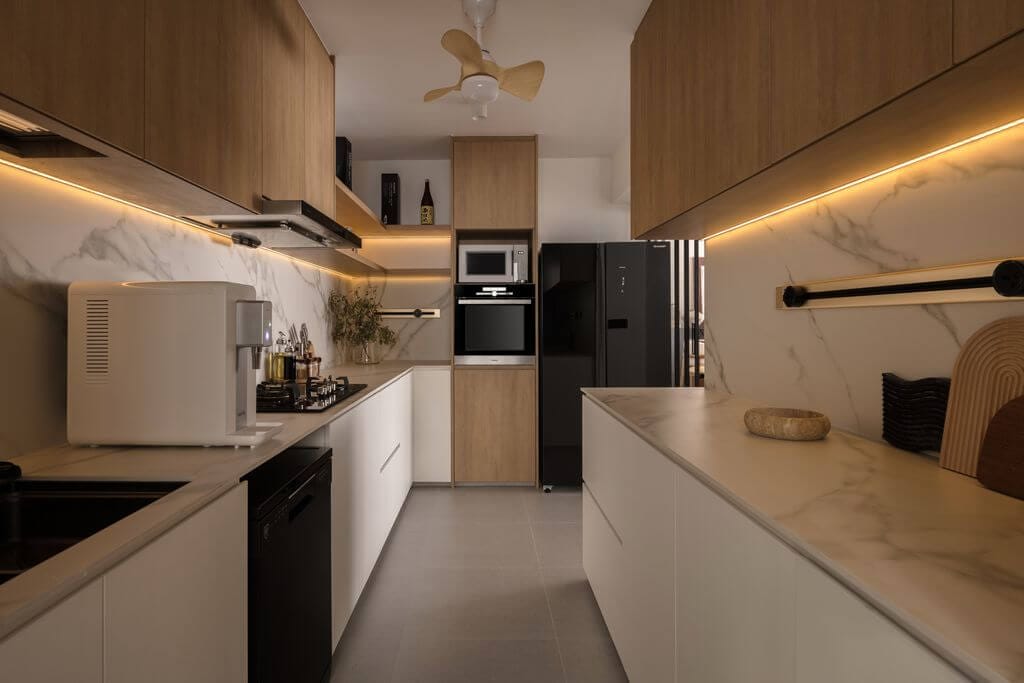
Many people start with their home renovation focused on trends. Mood boards usually lean more towards Scandinavian themes, textured finishes, or carefully curated HDB interior design. These ideas may look good in photographs, but don’t always translate into real life.
One type of surface we have always discussed with Singapore homeowners is textured paint. It adds character, which complements modern interiors well, especially when paired with Scandinavian-inspired designs that embrace clean lines. But in daily life, those textured surfaces cling to dust and dirt. Cleaning takes time, particularly in high-touch areas.
We walk you through this process in our design services before even committing to a concept. As you dream about your renovation, we also discuss maintenance — how often surfaces require cleaning and how each design decision affects long-term usability.
That balance allows you to maximise both the aesthetic and the practical aspects of your living space.
Removing Too Many Walls Without Considering Space Planning
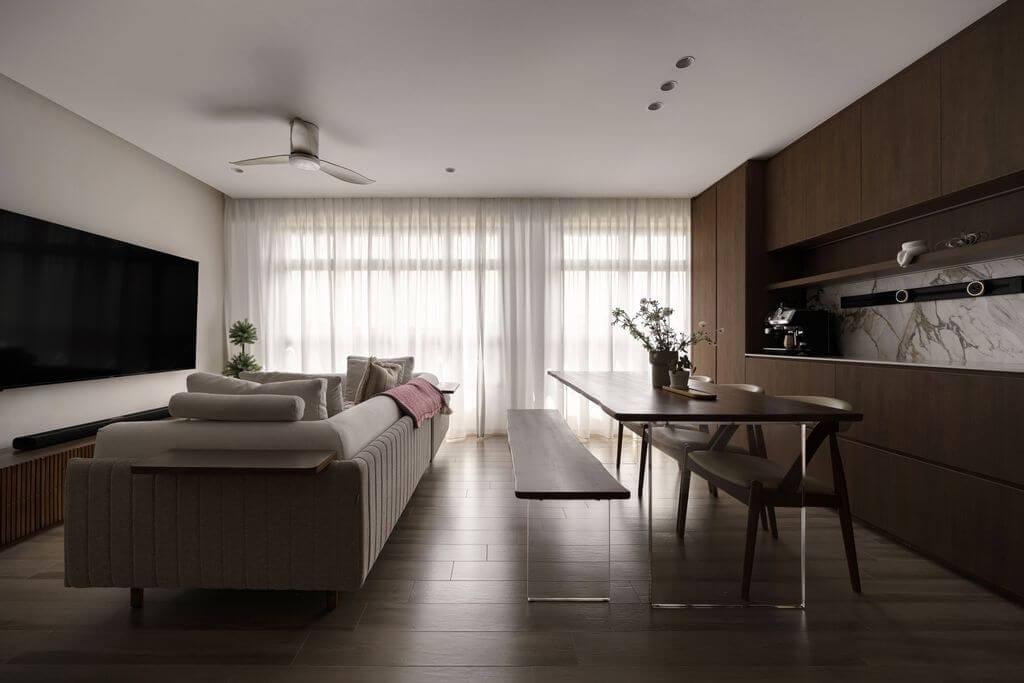
Open layouts are popular in HDB BTO and resale HDB projects. A lot of homeowners ask to hack walls to make it feel bigger. Yet if not carefully planned, the strategy can backfire.
Once walls are removed, zones become unclear. The floor plan may feel open, but also messy. Storage integration becomes more difficult, especially since vertical space is lost when walls disappear. For smaller HDB flat layouts, that’s a major drawback.
There are also HDB regulations and HDB guidelines to consider. Not all walls can be removed, especially load-bearing walls, which are critical to structural integrity. Any hacking requires a permit from HDB, as well as approval from the Housing and Development Board and registered renovation contractors.
Beyond compliance, daily comfort matters. Sound travels more easily in open layouts. Cooking noise, TV audio, or work calls can disrupt others. Privacy also becomes an issue, especially in shared homes.
In our own spaces, we would keep certain walls intact. Instead of fully open layouts, we often suggest alternatives:
- – Partial walls
- – Sliding glass partitions
- – Zoned layouts that still feel connected
These options allow openness without sacrificing function, privacy, or storage.
Choosing Materials That Are Hard to Maintain
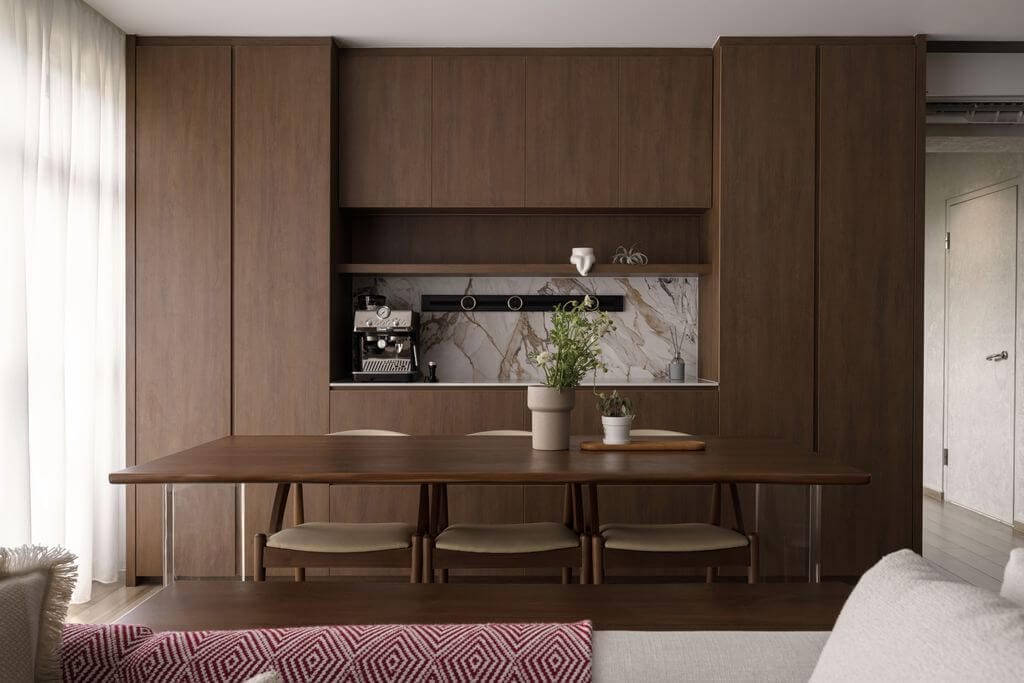
Material selection is one of the most overlooked aspects of HDB renovation in Singapore. Some finishes look luxurious at first glance, but don’t hold up well in Singapore’s climate.
Fluted panels, for example, are popular in many HDB interior projects. They add texture and visual interest. Still, those grooves collect dust and require frequent cleaning.
Other materials also present issues:
- – Solid wood or veneer may warp in humidity
- – Lime-based finishes can chip or stain
- – Untreated metals may corrode
- – Fabrics can develop mildew
Even on some of the tougher surfaces, such as quartz, although it is more heat-resistant than others, it can cause slight discolouration with time.
If we were to do our own renovation project, the materials that we would choose would be functional. In wet zones such as the master bath and kitchen, quartz or porcelain surfaces perform better than natural materials in terms of look and performance.
Maintenance is an area that homeowner clients don’t realise will take time. Light-coloured finishes show marks easily. Soft furnishings need proper ventilation. These details affect long-term satisfaction.
Ignoring Storage Planning in an HDB Renovation
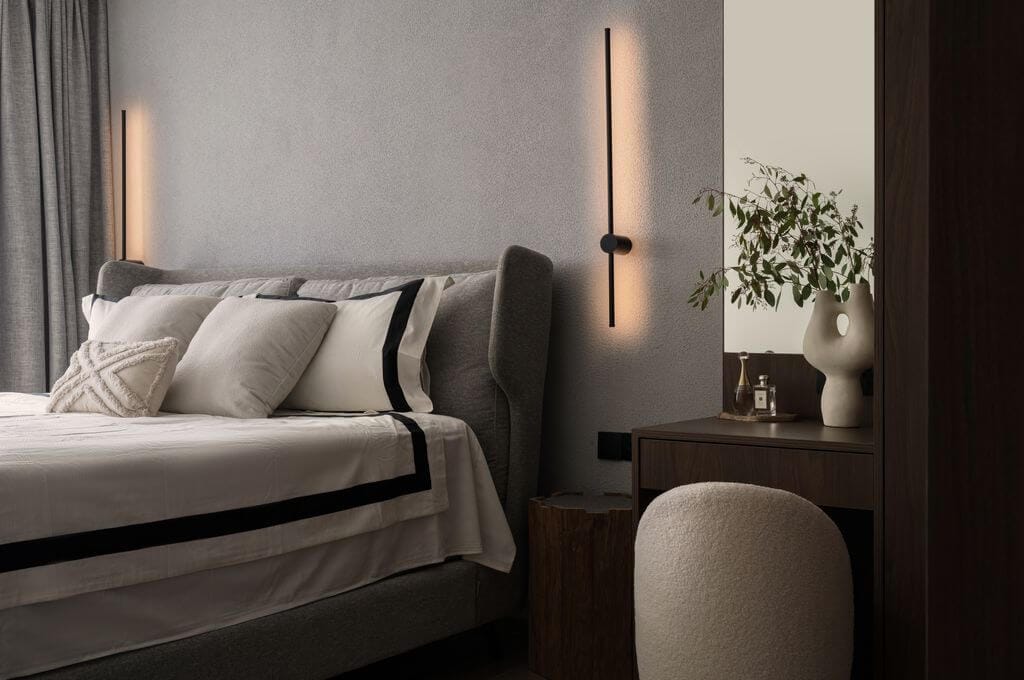
Storage planning is one of the most important aspects of any discussion of HDB renovation guidelines. But many homeowners treat it as an afterthought.
One of the biggest mistakes is overdoing open shelving. It has a good appearance initially, but requires ongoing maintenance. Without some careful curation, shelves soon look cluttered. A second issue is underestimating real-world storage demands.
This creates frustration after moving in.
In our own renovation services approach, we prioritise:
- – Built-in cabinetry
- – Concealed storage
- – Vertical storage planning
We keep our spaces orderly with full-height wardrobes and concealed areas. Multitasking furniture also does the job, from beds that incorporate storage underneath to benches with hidden compartments.
Storage is one aspect that should be addressed early in the renovation process. It touches layout, furniture arrangement, and even whether to retain or tear down walls.
Done properly, storage helps to keep a home tranquil, orderly and easy to maintain.
Overlooking Lighting Design
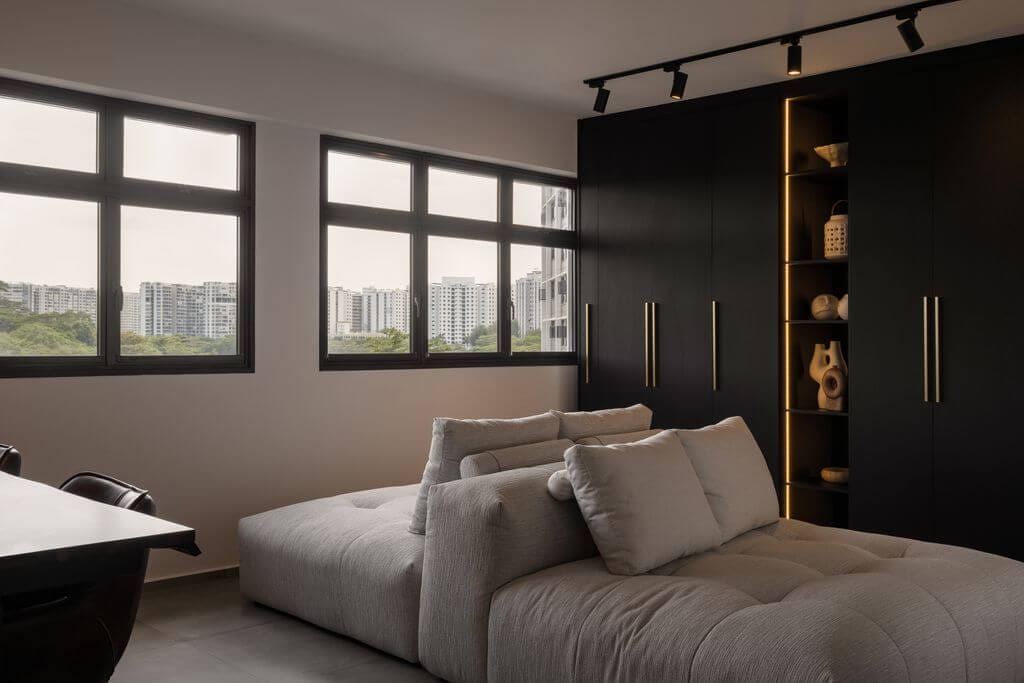
Lighting is a frequently neglected part of renovation activities, but it also determines how a home feels. For most HDB homeowners, ceiling lights are all they have as their source of lighting. This creates a very flat environment with little depth. Layered lighting is used in a well-designed home.
In our own home, we always include a little of each:
- – Ambient lighting for general brightness
- – Task lighting for specific functions
- – Accent lighting to highlight features
Mixing ceiling lights, floor lamps, and wall lights in the living area brings warmth. For kitchens, it also improves visibility for cooking. Darker lighting helps create a relaxing atmosphere in bedrooms.
The ambience of a space is transformed by good lighting. It can also give the impression that small houses are bigger and more welcoming. It also improves the materials, textures, and craftsmanship.
Underestimating the Importance of Budget Transparency
Budget planning is a very important process in every renovation contractor engagement. Cost is only after design for many homeowners.
One of the most important ones is to have a contingency fund set aside. But renovation work can reveal complicating factors such as lumpy flooring or outdated wiring. Or, like many homeowners, they may have to change their plans in the middle of the process — without a buffer.
A transparent cost breakdown helps you understand:
- – Scope of work
- – Material allocation
- – Labour and manpower costs
- – Electrical and plumbing requirements
This clarity allows better decision-making across the entire renovation process in Singapore.
For our own projects, we would prioritise spending on elements that impact daily use:
- – Flooring
- – Built-in storage
- – Kitchen and bathroom surfaces
- – Electrical systems
Areas like decor or non-essential carpentry can be more flexible. Loose furniture can replace fixed carpentry in some cases, offering greater flexibility and reducing costs.
Why Interior Designers Think Differently About Their Own Homes
After working across many HDB renovation projects, our approach becomes more grounded. Our first priority is function, then aesthetics. We consider how a home will age over time. Durability, ease of maintenance, and practicality drive our choices. When it comes to renovating your HDB flat, it can be useful to begin from the standpoint of your lifestyle:
- – How you use your space daily
- – What storage you need
- – How you move through each area
Design then builds around that. And so, we take that into every single project. On the other hand, a good home design should help your routine rather than hinder it.
So if you find yourself in the midst of an upcoming HDB reno, consider taking a little time to think about how each individual decision might affect your daily life. With us, you can find the right approach and a mentally well-balanced remodelling adventure.
Get in touch today and let us help you design a home tailored to your needs.
Frequently Asked Questions
- What is the biggest mistake homeowners make in an HDB renovation?
Many homeowners prioritise design trends over daily functionality, which can lead to impractical layouts and difficult maintenance. - Should I hack walls to create an open concept HDB layout?
Not always. Removing walls can reduce storage space, compromise privacy, and create noise issues if not properly planned. - Why is storage planning important in HDB renovation?
Storage affects layout, organisation, and daily convenience. Planning it early ensures a clean, functional, and clutter-free home.