2023

Kitchen Design Trends for Your Home

March 28, 2023
The kitchen is undoubtedly the heart of any home, where delicious meals are cooked, conversations are had, and memories are made. A well-designed kitchen not only enhances the aesthetics of your home, but it can also improve the functionality and overall value of your property. As we enter a new era of design, it’s important to stay up-to-date with the latest kitchen design trends. From minimalist designs to bold colors and smart kitchen technology, there are a plethora of exciting and innovative ideas to choose from. In this article, we’ll explore five of the hottest kitchen design trends that are sure to elevate your home and inspire you to cook up a storm!

Trend #1: Minimalist Design

Minimalist design is a popular design trend that prioritizes simplicity and functionality. In a minimalist kitchen, you’ll find clean lines, a neutral color palette, and an emphasis on natural materials. Here are some key points to consider when incorporating a minimalist design into your kitchen:

1) Explanation of minimalist design

  • Simple, clean lines are a hallmark of minimalist design. This style avoids ornate details, decorative flourishes, and other unnecessary elements.
  • Minimalist design often features a neutral color palette, with whites, grays, and natural wood tones being popular choices. This allows the focus to remain on the form and function of the space rather than the color scheme.
  • Natural materials like wood, stone, and metal are often used in minimalist design. These materials provide texture and visual interest without being overly flashy or decorative.

2) Advantages of a minimalist kitchen

  • One of the primary benefits of a minimalist kitchen is that it can make the space feel larger and more open. By eliminating clutter and unnecessary elements, you can create a streamlined and functional workspace that’s easy to navigate.
  • A minimalist kitchen can also help to reduce stress and promote a sense of calm. With fewer distractions and visual clutter, you can focus on cooking and enjoying your space.
  • Minimalist design often prioritizes functionality over form, meaning that you’ll have a kitchen that’s designed to be efficient and practical. This can make cooking and meal prep easier and more enjoyable.

3) How to achieve a minimalist design in your kitchen

  • Start by decluttering your space and getting rid of any unnecessary items. This could include excess kitchen gadgets, unused appliances, and decorative items that don’t serve a purpose.
  • Use open shelving to display functional items like plates and bowls. This will keep them easily accessible while also adding visual interest to your space.
  • Stick to a neutral color palette, using whites, grays, and natural wood tones to create a cohesive and calming look. Avoid bold or bright colors, which can be visually overwhelming in a minimalist space.
  • Choose simple, functional furniture and accessories. Avoid overly ornate or decorative pieces, and focus on items that serve a purpose.
  • Incorporate natural materials like wood and stone to add texture and visual interest. These materials can be used for countertops, flooring, or even accent pieces like cutting boards or serving platters.
Trend #2: Mixed Materials

Mixed materials is a design trend that blends different materials and textures to create a visually interesting and unique space. In a kitchen, this can mean combining materials like wood, stone, metal, and tile to create a one-of-a-kind look. Here are some key points to consider when incorporating mixed materials into your kitchen:

1) Explanation of mixed materials

  • Mixed materials is a design trend that involves combining different materials and textures to create a unique and visually interesting space.
  • In a kitchen, this can mean combining materials like wood, stone, metal, and tile to create a one-of-a-kind look.
  • The key to successful mixed material design is to create a cohesive and harmonious look, even with the use of different materials.

2) Advantages of using mixed materials in your kitchen

  • One of the primary benefits of using mixed materials in your kitchen is that it can add visual interest and depth to the space. By incorporating different textures and materials, you can create a dynamic and layered look.
  • Mixed materials can also help to break up large expanses of the same material, like a long countertop or backsplash. By incorporating different materials, you can create a more visually interesting and dynamic space.
  • Finally, mixed materials can be used to create a sense of contrast and balance. By using light and dark materials together, for example, you can create a sense of balance and contrast that adds depth and dimension to your space.

3) Examples of mixed material design

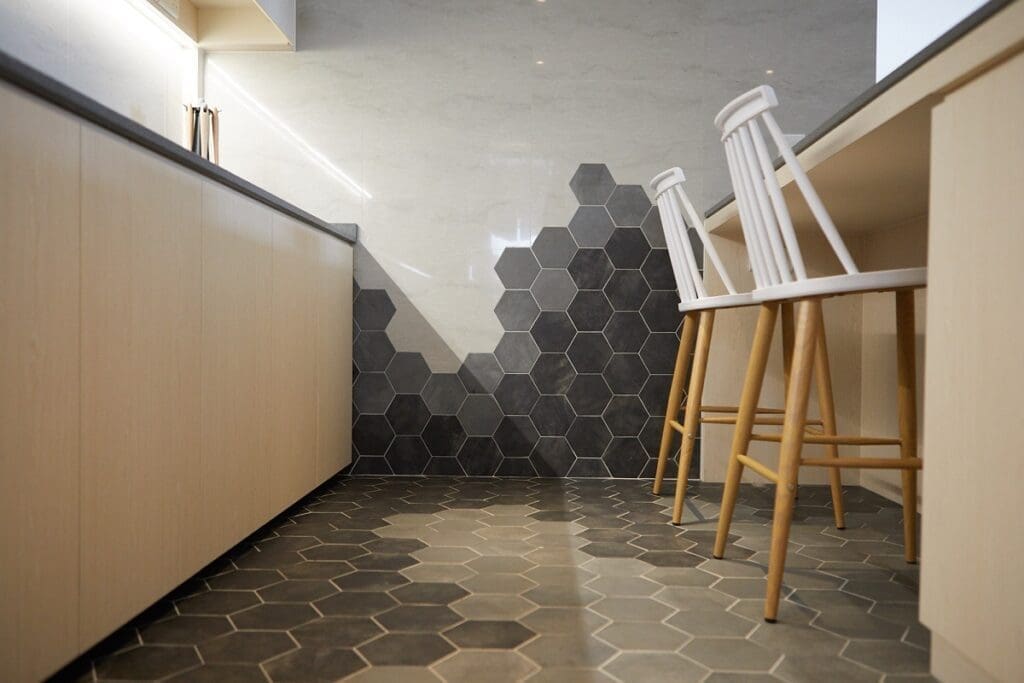
  • One popular way to incorporate mixed materials into your kitchen is to use different materials for your countertops and backsplash. For example, you could use a natural stone countertop paired with a glass tile backsplash to create a dynamic and visually interesting look.
  • Another way to incorporate mixed materials is through the use of statement lighting. A bold pendant light made of metal or glass can be a great way to add visual interest and texture to your space.
  • Finally, you could use mixed materials to create a statement wall in your kitchen. Consider using a combination of wood planks and metal tiles to create a unique and visually interesting focal point.

Trend #3: Bold Colors

Bold colors are a design trend that can add personality and energy to a space. In a kitchen, this can mean incorporating colors like deep blues, rich greens, or vibrant yellows to create a bold and vibrant look. Here are some key points to consider when incorporating bold colors into your kitchen:

1) Explanation of using bold colors in kitchen design

  • Using bold colors in kitchen design involves incorporating bright, vibrant colors into your space. This can be done through the use of paint, tile, or accessories.
  • Bold colors can add personality and energy to a space, making it feel vibrant and lively.
  • When using bold colors, it’s important to create a cohesive look that doesn’t feel overwhelming. This can be done by using color in strategic ways, like through a statement wall or a bold backsplash.

2) Advantages of using bold colors in your kitchen

  • One of the primary benefits of using bold colors in your kitchen is that it can create a lively and energizing space. Bold colors can add personality and charm to an otherwise neutral space.
  • Bold colors can also help to create a sense of depth and dimension in a space. For example, a dark countertop paired with bright white cabinets and colorful accessories can create a dynamic and visually interesting look.
  • Finally, using bold colors can be a great way to add contrast and balance to a space. By using light and dark colors together, for example, you can create a sense of depth and dimension that adds visual interest to your space.

3) Examples of kitchens with bold colors

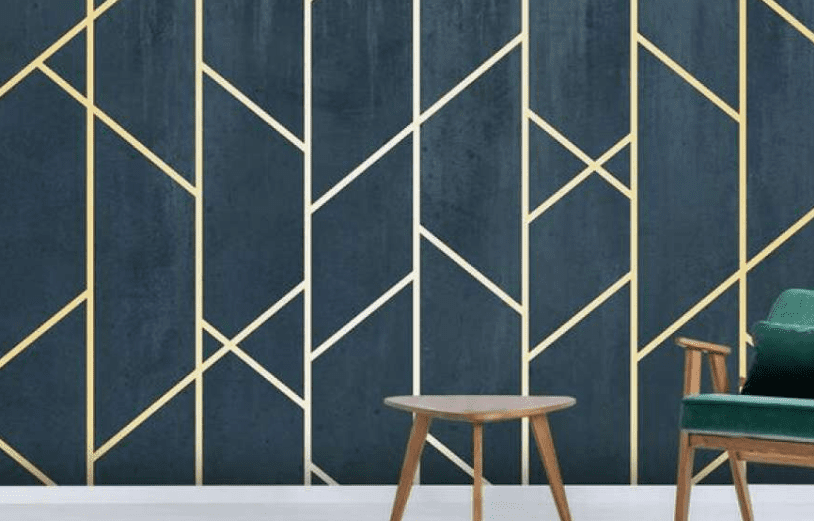
  • One popular way to incorporate bold colors into your kitchen is through the use of a statement wall. Consider painting one wall a bold, vibrant color like cobalt blue or emerald green to create a focal point in your space.
  • Another way to incorporate bold colors is through the use of a dark countertop paired with bright cabinets and colorful accessories. This creates a sense of contrast and balance, while also adding depth and dimension to your space.
  • Finally, you could incorporate bold colors through the use of colorful tile or backsplash. Consider using bright, vibrant colors like sunny yellow or fiery orange to create a playful and energetic look in your kitchen.

Trend #4: Smart Kitchens

Smart kitchens are a trend that incorporates technology into the design and functionality of a kitchen. From voice-activated assistants to smart appliances, this trend is all about making your kitchen work smarter, not harder. Here are some key points to consider when incorporating smart technology into your kitchen:

1) Explanation of smart kitchen technology

  • Smart kitchen technology involves incorporating devices and appliances that can be controlled via a smartphone or voice-activated assistant.
  • This technology can include smart ovens, refrigerators, and dishwashers, as well as devices like smart speakers and thermostats.
  • The goal of smart technology is to make your kitchen more efficient, convenient, and user-friendly.

2) Advantages of using smart technology in your kitchen

  • One of the primary benefits of using smart technology in your kitchen is that it can save you time and effort. For example, a smart oven can preheat itself before you even get home from work, or a smart refrigerator can keep track of your groceries and remind you when you’re running low on certain items.
  • Smart technology can also help to make your kitchen more efficient. For example, a smart dishwasher can adjust its cycle based on how dirty your dishes are, or a smart range can adjust its temperature based on the recipe you’re cooking.
  • Finally, smart technology can add a sense of luxury and sophistication to your kitchen. By incorporating high-tech appliances and devices, you can create a modern and cutting-edge space.

3) Examples of smart kitchen appliances and features

  • Smart refrigerators are a popular example of smart kitchen technology. These refrigerators can keep track of your groceries, make suggestions for meals based on what you have on hand, and even order groceries for you when you’re running low.
  • Another example of smart technology in the kitchen is a smart oven. These ovens can be controlled via your smartphone or voice-activated assistant, and can even adjust their cooking time and temperature based on the recipe you’re using.
  • Finally, smart speakers and voice-activated assistants like Amazon Alexa or Google Home can be a great way to incorporate smart technology into your kitchen. These devices can play music, set timers, and even answer cooking-related questions, making your time in the kitchen more efficient and enjoyable.

Trend #5: Open Shelving

Open shelving is a trend in kitchen design that involves removing traditional upper cabinets and replacing them with open shelves. Here are some key points to consider when incorporating open shelving into your kitchen:

1) Explanation of open shelving

  • Open shelving involves using wall-mounted shelves instead of upper cabinets to store kitchen items like dishes, glasses, and cookbooks.
  • This design trend creates an open and airy feel in your kitchen, as well as providing easy access to frequently used items.

2) Advantages of using open shelving in your kitchen

  • One of the primary benefits of using open shelving in your kitchen is that it can make the space feel larger and more open. Without upper cabinets, the space above your countertops is open, creating the illusion of more space.
  • Open shelving also allows you to display your favorite dishes and glassware, adding a personal touch to your kitchen decor.
  • Finally, open shelving can be a more cost-effective option than traditional upper cabinets, as it requires less material and labor to install.

3) Examples of kitchens with open shelving

  • One popular way to incorporate open shelving into your kitchen design is to use reclaimed wood or natural materials for the shelves. This adds a rustic or farmhouse feel to the space.
  • Another option is to use metal or glass shelves for a more modern look. These types of shelves are sleek and minimalist, allowing your dishes and glasses to take center stage.
  • Finally, you can use open shelving in combination with traditional upper cabinets to create a balanced look. For example, you might install open shelves on either side of a range hood or above a sink, with upper cabinets in the rest of the kitchen. This creates a functional and stylish space.

To sum up everything

The world of kitchen design is constantly evolving, with new trends emerging each year. As we’ve explored in this article, there are numerous innovative and exciting kitchen design ideas to consider, from minimalist designs to mixed materials, bold colors, smart technology, and open shelving. Ultimately, the key to choosing the right design for your kitchen is to consider your personal style, lifestyle, and needs. Whether you prefer a sleek and modern look or a cozy and rustic feel, there’s a design trend that will suit your taste. So, don’t be afraid to get creative and experiment with different styles until you find the perfect fit for your home. With these exciting design trends in mind, you’ll be sure to create a kitchen that not only looks amazing but also functions beautifully for you and your family for years to come.

Renovate your house with Ovon Design!

hassle-free E-WARRANTY Ovon-D offers an easy and hassle-free E-WARRANTY program to give you the confidence you need to make that final investment decision. It is because we are a company whose mission is to provide excellence and quality service for OUR BELOVED customers worldwide, as well as being a reliable, honest, professional, and trustworthy company. Click here to learn more about our service or visit our showroom at 53 Joo Chiat Place Singapore 427777 or 534 Balestier Road Singapore 329860. ย 

Lighting Design Tips for Your Home

March 27, 2023
Have you ever walked into a room and felt instantly relaxed, energized, or inspired? Chances are, the lighting played a significant role in creating that atmosphere. Lighting design is an essential element of any home, yet it is often overlooked or undervalued. The right lighting can enhance the functionality and aesthetic appeal of a space, while the wrong lighting can have the opposite effect. In this article, we will provide you with expert lighting design tips to help you create a warm, welcoming, and well-lit home that meets all of your needs. Whether you’re looking to improve the ambiance of a single room or revamp your entire home, these tips will help you achieve your lighting goals.

Types of Lighting

When it comes to lighting design, there are three main types of lighting to consider: general lighting, task lighting, and accent lighting. Here is a brief overview of each type and their importance in creating a well-lit space:
Type of Lighting Function Examples
General Lighting Provides overall illumination to a room Chandeliers, flush mounts, recessed lights
Task Lighting Designed to help you perform specific tasks Table lamps, floor lamps, under-cabinet lights
Accent Lighting Used to highlight specific features in a room Track lighting, wall-mounted fixtures, table lamps
Each type of lighting serves a different function in creating a well-lit space. General lighting provides a foundation of overall illumination, while task lighting is designed to help you perform specific tasks such as reading or cooking. Accent lighting adds depth and interest to a space and can be used to highlight particular features.

Layering Your Lighting

Layering your lighting is an essential aspect of lighting design that involves incorporating multiple types of lighting to create a well-lit and visually appealing space. Here’s how to incorporate each type of lighting in a room:
  1. Start with general lighting: Begin by installing general lighting fixtures, such as overhead ceiling fixtures, to provide overall illumination to the space. 
  2. Add task lighting: Once you have your general lighting in place, add task lighting to specific areas where you need brighter and more focused light. This could include desk lamps, floor lamps, or under-cabinet lighting in the kitchen. 
  3. Finish with accent lighting: Finally, add accent lighting to highlight specific features in the room, such as artwork or architectural details. This could include wall-mounted fixtures, track lighting, or table lamps. 
Here are some benefits of layering your lighting:
  1. Flexibility: By incorporating multiple types of lighting, you can adjust the lighting levels in your space to match your mood or the time of day. 
  2. Visual interest: Layering your lighting adds depth and visual interest to a room, making it more visually appealing and comfortable to spend time in. 
  3. Functionality: With a well-layered lighting design, you can create a space that is not only aesthetically pleasing but also functional and comfortable for all your daily activities. 

Consider Your Room

When it comes to lighting design, it’s important to consider the specific needs of each room in your home. Here are some factors to keep in mind:
  1. Room size and shape: The size and shape of a room can significantly impact its lighting needs. Smaller rooms may require less lighting, while larger spaces may require more fixtures to ensure adequate illumination. Additionally, rooms with unique shapes or layouts may require specialized lighting solutions. 
  2. Room function: The function of a room should also be taken into consideration when selecting lighting fixtures. For example, a kitchen will require brighter task lighting to help with cooking and food preparation, while a bedroom may benefit from softer, more ambient lighting for relaxation. 
  3. Lighting plan: Once you have a clear understanding of the size, shape, and function of a room, you can create a lighting plan to determine the optimal placement and type of fixtures to use. This can help ensure that each area of the room is properly illuminated and that the lighting is both functional and visually appealing. 

Light Fixtures

Light fixtures are an important element of any lighting design, as they can significantly impact the overall look and feel of a room. Here are some factors to consider when selecting light fixtures:

1) Different types of fixtures

There are many different types of light fixtures available:
  • Chandeliers
  • Pendants
  • Sconces
  • Track lighting
  • Recessed lighting
  • Floor lamps
  • Table lamps

2) Complementing decor

When selecting light fixtures, it’s important to choose fixtures that complement the existing decor of your space. For example, if you have a modern decor style, you may want to choose fixtures with clean lines and a sleek design, while a more traditional decor style may benefit from fixtures with ornate details and warm finishes.

3) Size and style

When selecting light fixtures, it’s important to consider the size and style of the fixture in relation to the size and style of the room. A small pendant may get lost in a large room, while a large chandelier may overwhelm a small space. Additionally, the style of the fixture should match the overall style of the room to create a cohesive look.

Bulbs and Dimmers

Choosing the right bulb and using dimmers can significantly impact the ambiance and energy efficiency of your lighting design. Here are some important factors to consider when selecting bulbs and dimmers:

1) Importance of choosing the right bulb

  • The type of bulb you choose can affect the quality and color of the light emitted, as well as energy efficiency
  • Different bulbs have different lifespans and may require different types of fixtures

2) How to choose between LED, CFL, and incandescent bulbs

  • LED bulbs are energy-efficient, long-lasting, and available in a variety of color temperatures
  • CFL bulbs are also energy-efficient but contain small amounts of mercury and may take time to reach full brightness
  • Incandescent bulbs are less energy-efficient and have a shorter lifespan but offer a warm, natural-looking light

3) Benefits of dimmers and how to use them

  • Dimmers can help create a more comfortable and relaxing ambiance, as well as reduce energy consumption
  • Dimmers can be used with a variety of bulb types, including LED and incandescent
  • When selecting a dimmer, ensure that it is compatible with your bulb type and wattage, and that it is installed properly

Maintenance and Upkeep

Maintaining and cleaning your lighting fixtures is important to ensure that they continue to function properly and look their best. Here are some tips for maintaining and cleaning your lighting fixtures:

1) Tips for maintaining your lighting fixtures

  • Regularly inspect fixtures for damage or wear and tear
  • Check wiring and connections for any signs of fraying or damage
  • Ensure that fixtures are securely mounted and balanced

2) How to clean your fixtures

  • Turn off power to the fixture before cleaning
  • Dust or wipe fixtures with a soft, dry cloth
  • For glass or crystal fixtures, use a mixture of mild soap and water to gently clean

3) When to replace bulbs and fixtures

  • Replace burned-out bulbs promptly to avoid strain on the fixture or wiring
  • Consider replacing fixtures that are outdated, damaged, or no longer meet your lighting needs

To sum up everything

Lighting design is a critical aspect of creating a comfortable and functional home. From selecting the right fixtures to layering different types of lighting, every decision you make can have a significant impact on the look and feel of your space. By following the lighting design tips outlined in this article, you can transform your home into a warm and inviting space that meets all of your needs. Whether you’re looking to brighten up a dark room or create a cozy reading nook, the right lighting can make all the difference. So take the time to consider your lighting options, and don’t be afraid to experiment until you find the perfect combination of functionality and style. Your home will thank you for it!

Renovate your house with Ovon Design!

hassle-free E-WARRANTY Ovon-D offers an easy and hassle-free E-WARRANTY program to give you the confidence you need to make that final investment decision. It is because we are a company whose mission is to provide excellence and quality service for OUR BELOVED customers worldwide, as well as being a reliable, honest, professional, and trustworthy company. Click here to learn more about our service or visit our showroom at 53 Joo Chiat Place Singapore 427777 or 534 Balestier Road Singapore 329860.

How to Choose the Right Furniture for Your Bedroom

March 24, 2023
Your bedroom is your sanctuary, a place where you retreat after a long day to rest and recharge. It’s important to create a space that not only feels comfortable and relaxing but also reflects your personal style. One of the most crucial elements in achieving this is selecting the right furniture for your bedroom. The furniture you choose will impact the functionality, comfort, and aesthetic of the space. In this article, we will guide you through the process of choosing the right furniture for your bedroom, from assessing your bedroom space to selecting the perfect bed, dresser, and accent furniture. So whether you’re starting from scratch or looking to update your existing furniture, keep reading to discover our expert tips and tricks for creating a bedroom that is both functional and beautiful.

Assessing Your Bedroom Space

Assessing your bedroom space is an essential step in creating a comfortable and functional room. There are three main factors to consider when assessing your bedroom space:
  1. Measuring your bedroom space: Accurate measurements will help you determine the size and scale of furniture and decor that will fit comfortably in your room. Measure the length and width of the room, as well as the height of the ceiling. Don’t forget to measure the dimensions of any alcoves, nooks, or other irregularities that may affect the layout.
  2. Considering the layout and flow of the room: Once you have your measurements, think about the best layout for your room. Consider factors such as the placement of doors, windows, and electrical outlets, as well as the location of any existing furniture or decor. Aim for a layout that maximizes space and creates a comfortable flow.
  3. Identifying any existing design elements or color schemes: Finally, take a look at any existing design elements or color schemes in the room. These may include wall color, flooring, window treatments, and any existing furniture or decor. Take note of these elements and use them as a starting point for your own design choices, or plan to incorporate new elements that complement the existing ones.

Choosing a Bed

Choosing the right bed and bed frames for your bedroom is an important decision, as it can impact your comfort and quality of sleep. Here are three key factors to consider when selecting a bed:

1) Different types of beds and their features

There are several types of beds to choose from, each with their own features and benefits. Some common types of beds include:
  • Platform beds: These are low-profile beds that don’t require a box spring.
  • Panel beds: These have a headboard and footboard that are typically made of wood.
  • Sleigh beds: These have a curved or scrolled footboard and headboard, resembling a sleigh.
  • Canopy beds: These have four posts with a frame connecting them, creating a canopy or drapery effect.
  • Adjustable beds: These allow you to adjust the height and angle of the head and foot of the bed for customizable comfort.

2) Considerations when selecting a bed, such as size and style

  • Size: Choose a bed that fits your space and allows for comfortable movement.
  • Style: Select a bed that matches your personal style and complements your bedroom decor.

3) Tips for selecting a mattress

  • Choose a mattress with the right firmness level for your needs.
  • Look for a mattress with good support and pressure relief.
  • Consider your sleeping position and any specific needs you may have, such as allergies or back pain.

Selecting a Dresser and Nightstands

When it comes to selecting dressers and nightstands for your bedroom, there are several factors to consider. Here are three key things to keep in mind:

1) Types of dressers and nightstands

There are many different types of dressers and nightstands to choose from:
  • Traditional wooden dressers
  • Modern minimalist designs
  • Vintage or antique styles
  • Simple and functional nightstands
  • Decorative and ornate nightstands

2) Choosing furniture that matches the style and color scheme of your bed

Your dresser and nightstands should complement the style and color of your bed, creating a cohesive look for your bedroom. If your bed has a simple, modern design, for example, you may want to choose a dresser and nightstands with clean lines and a minimalist aesthetic. Alternatively, if your bed has a more ornate design or a bold color scheme, you may want to choose furniture that incorporates similar design elements or colors.

3) Practical considerations, such as storage needs

Finally, it’s important to consider your practical needs when selecting a dresser and nightstands. Think about the amount of storage space you need and whether you prefer open shelves, drawers, or a combination of both. If you have a small bedroom, you may want to choose furniture with a smaller footprint or that can serve multiple purposes, such as a nightstand with built-in storage.

Adding Seating

Adding seating to your bedroom can be a great way to create a cozy and inviting space. Here are three things to consider when adding seating to your bedroom: 1) Benefits of adding seating to your bedroom There are several benefits to adding seating to your bedroom, including:
  • Creating a comfortable place to read or relax
  • Adding visual interest to the room
  • Providing additional seating for guests
  • Enhancing the overall ambiance of the space
2) Types of seating options, such as chairs and benches There are many different types of seating options to choose from, depending on your personal style and the size of your space. Some common options include:
  • Accent chairs: These can add a pop of color or pattern to the room while providing a comfortable place to sit.
  • Reading chairs: These are designed for comfort and typically have a high back and padded seat.
  • Bench seating: These can provide a place to sit and put on shoes, as well as additional storage space.
  • Window seats: These are built-in benches that can provide a cozy spot to read or relax while enjoying a view.

3) Choosing furniture that complements your existing decor

When selecting seating for your bedroom, it’s important to choose furniture that complements your existing decor. Consider the color scheme, style, and overall vibe of your room, and select seating that enhances these elements. For example, if your room has a modern, minimalist aesthetic, you may want to choose a sleek, simple chair or bench. Alternatively, if your room has a cozy, rustic feel, you may want to opt for a plush, upholstered chair or bench.

Accessorizing with Accent Furniture

Accent furniture can add both functionality and style to your bedroom. Here are two important things to consider when accessorizing with accent furniture:

1) Types of accent furniture, such as mirrors and vanities

There are several types of accent furniture that can be used to enhance the look and feel of your bedroom. Some common options include:
  • Mirrors: A well-placed mirror can make a room feel larger and brighter, while also serving a practical purpose.
  • Vanities: A vanity can provide a designated space for getting ready in the morning, with storage for makeup and other essentials.
  • Accent tables: These small tables can be used to display decorative items, hold a lamp, or serve as a nightstand.
  • Ottomans or poufs: These can serve as both seating and a decorative element in your bedroom.

2) How to choose accent furniture that adds functionality and style to your bedroom

When selecting accent furniture, it’s important to choose pieces that serve a practical purpose while also enhancing the overall style of your bedroom. Consider the following:
  • Functionality: Think about how the piece will be used and whether it provides the functionality you need.
  • Style: Choose pieces that complement your existing decor and add visual interest to the room.
  • Proportion and scale: Make sure the size and scale of the accent furniture is appropriate for your space.

To sum up everything

Choosing the right furniture for your bedroom is essential to creating a space that is both functional and beautiful. From selecting the perfect bed and dresser to adding accent furniture and seating, each piece plays a crucial role in the overall design and functionality of the room. By taking the time to assess your space and consider your personal style, you can create a bedroom that is a true reflection of who you are. So don’t rush the process, and remember that selecting the right furniture for your bedroom is an investment in your comfort and wellbeing. With our expert tips and tricks, you can confidently choose the furniture that will transform your bedroom into a sanctuary you’ll love coming home to every day.

Renovate your house with Ovon Design!

hassle-free E-WARRANTY Ovon-D offers an easy and hassle-free E-WARRANTY program to give you the confidence you need to make that final investment decision. It is because we are a company whose mission is to provide excellence and quality service for OUR BELOVED customers worldwide, as well as being a reliable, honest, professional, and trustworthy company. Click here to learn more about our service or visit our showroom at 53 Joo Chiat Place Singapore 427777 or 534 Balestier Road Singapore 329860. ย 

How to Design a Retail Store Interior that Attracts Customers

March 23, 2023
As a retailer, it’s important to have a store interior that’s attractive, welcoming, and functional. The design of your store can impact customers’ perception of your brand, influence their shopping behavior, and ultimately affect your sales. In this article, we’ll discuss some key strategies for designing a retail store interior that attracts customers and enhances their shopping experience.

Understanding Your Target Audience

The first step in designing a retail store interior that attracts customers is to understand your target audience. This involves identifying their demographics, psychographics, and shopping behavior. For example, if your target audience is young and trendy, you may want to design a store interior that’s modern and visually appealing. If your target audience is primarily families, you may want to create a store layout that’s easy to navigate and has plenty of seating areas for parents and children. ย 

Developing a Store Layout

The layout of your store is another important factor in attracting customers. A well-designed store layout can guide customers through the store, showcase products effectively, and create a positive shopping experience. There are several types of store layouts, including grid, loop, and free-flow.  
Layout Type Description Advantages Disadvantages
Grid A layout that features long aisles arranged in a grid-like pattern, with products arranged in a linear, organized fashion. – Easy for customers to navigate<br>- Efficient use of space<br>- Encourages browsing and impulse purchases – Can feel repetitive and uninspiring<br>- Difficult to create focal points or highlight specific products<br>- May not be suitable for all store types or products
Loop A layout that features a circular or racetrack-like path that leads customers through the store, with products arranged on either side of the path. – Encourages customers to view the entire store<br>- Creates a natural flow of traffic<br>- Can create focal points and highlight specific products – May not be as efficient for certain store types or products<br>- Can create congestion or bottlenecks in high-traffic areas<br>- Can be difficult to navigate for customers with mobility issues
Free-Flow A layout that doesn’t follow a specific pattern, with products arranged in groupings or zones based on product type, theme, or color. – Offers flexibility and creativity in product placement<br>- Can create a unique and visually appealing store environment<br>- Can encourage customers to explore and discover new products – Can be difficult for customers to navigate<br>- May not be suitable for all store types or products<br>- Can be challenging to create clear traffic flow and avoid congestion
  The layout you choose should depend on your store’s size, type of products, and target audience. Regardless of the layout you choose, it’s important to ensure that your store is easy to navigate and has clear signage.

Creating a Welcoming Atmosphere

Creating a welcoming atmosphere in your store is essential to attracting customers. This involves using lighting, colors, music, and other sensory elements to create a positive mood and enhance the shopping experience. For example, using warm lighting can create a cozy atmosphere, while bright lighting can make products stand out. Playing music that matches your target audience’s preferences can also help create a welcoming atmosphere. There are some other ways to create a welcoming atmosphere in a retail store. By using these strategies, you can create a welcoming atmosphere in your retail store that encourages customers to stay longer, explore more products, and ultimately make a purchase.
  • Use pleasant scents: Scents can also help create a welcoming atmosphere. Consider using pleasant scents like vanilla or lavender to create a calming environment.
  • Keep the store clean and organized: A clean and organized store can create a positive first impression and make customers feel welcome.
  • Use comfortable seating areas: Offering comfortable seating areas can create a welcoming environment and encourage customers to stay longer.
  • Offer refreshments: Offering complimentary refreshments like water, coffee, or snacks can make customers feel welcome and create a positive shopping experience.
  • Use friendly and welcoming staff: Your staff can have a big impact on the atmosphere of your store. Train your staff to be friendly, welcoming, and helpful to customers.
  • Use displays and decorations: Creative displays and decorations can create a visually appealing environment and add to the overall atmosphere of the store.
ย 

Maximizing Product Visibility

Product visibility is another important factor in attracting customers. Products should be placed strategically to catch customers’ attention and encourage them to make a purchase. This is called visual merchandising. For example, placing high-margin products at eye level can increase their visibility and sales. Additionally, using creative displays and signage can help draw attention to certain products and promotions. Here are some other tips to place strategically to catch customers’ attention and encourage them to make a purchase. Remember to regularly rotate and update displays to keep customers engaged and encourage repeat visits.

Use eye-catching displays

Creating visually appealing displays can draw customers’ attention to specific products. Use bold colors, interesting shapes, and unique props to create a display that stands out.

Create a focal point

A focal point can help draw customers’ attention to a specific area of the store. Use a unique display or a bold product to create a focal point that encourages customers to explore the surrounding area.

Use color psychology

Colors can have a powerful impact on customers’ emotions and behavior. Use color psychology to strategically place products that evoke specific emotions and encourage customers to make a purchase.

Group complementary products together

Grouping complementary products together can encourage customers to purchase multiple items. For example, placing crackers and cheese together can encourage customers to purchase both items.

Use cross-merchandising

Cross-merchandising can encourage customers to purchase complementary products. For example, placing a cookbook next to a set of cooking utensils can encourage customers to purchase both items.

Use seasonal displays

Seasonal displays can create a sense of urgency and encourage customers to make a purchase. Use seasonal decorations and products to create displays that are timely and relevant. ย 

To Sum Up

Designing a retail store interior that attracts customers requires a careful balance of functionality and aesthetics. By understanding your target audience, developing an effective store layout, creating a welcoming atmosphere, maximizing product visibility, and incorporating technology, you can create a store that’s not only attractive but also effective at driving sales. By putting in the effort to design your store interior with your customers in mind, you can create a shopping experience that keeps customers coming back. ย 

Transform Your Retail Store Interior with Ovon-D!

hassle-free E-WARRANTY Ovon-D offers an easy and hassle-free E-WARRANTY program to give you the confidence you need to make that final investment decision. It is because we are a company whose mission is to provide excellence and quality service for OUR BELOVED customers worldwide, as well as being a reliable, honest, professional, and trustworthy company. Click here to learn more about our service or visit our showroom at 53 Joo Chiat Place Singapore 427777 or 534 Balestier Road Singapore 329860.

Planning Your Office Interior Design: Tips and Considerations

March 21, 2023
The interior design of an office plays a critical role in the productivity and well-being of employees. A well-designed office can boost employee morale, create a comfortable work environment, and increase productivity. Planning the interior design of an office can be a daunting task, but with the right tips and considerations, it can be a smooth and successful process. In this article, we’ll explore some essential tips and considerations to help you plan your office interior design. From identifying functional areas for space planning to selecting furniture that aligns with the design brief, we’ll cover everything you need to know to create a productive and welcoming workspace for your employees.

Space Planning

Space planning is an important aspect of office interior design. You’ll need to determine the layout of your workspace, identify functional areas, and incorporate collaborative spaces. By identifying these functional areas, you can plan your office space in a way that maximizes productivity, comfort, and employee well-being. Here is some tips on how to identify functional areas for space planning in office interior design:

Reception area

This area is typically the first point of contact for visitors and clients. It should be welcoming and comfortable and have enough space to accommodate the flow of traffic.

Workstations

These are the primary work areas for employees. The design of these areas should be focused on promoting productivity and providing comfort.

Meeting rooms

Meeting rooms are essential for collaboration and brainstorming. They should be designed to promote communication and creativity.

Private offices

These spaces are reserved for managers or executives who need privacy to conduct meetings or make phone calls. They should be designed to provide comfort and privacy.

Break rooms

These areas are important for employee well-being and can be designed to provide a relaxing atmosphere for breaks and socializing.

Storage areas

Every office needs space to store files, supplies, and equipment. These areas should be organized and easily accessible.

Restrooms

Restrooms are essential and should be located in convenient areas for employees and visitors.

Receptionist or administrative areas

These areas are essential for managing the flow of traffic and providing administrative support.

Collaboration areas

These areas are designed to promote teamwork and can include open spaces or breakout areas. ย 

Furniture and Equipment

Choosing the right furniture and equipment is crucial for a well-designed workspace. Ergonomic furniture can help prevent injuries and increase comfort. You’ll also need to select appropriate technology and equipment. It’s important to choose furniture that aligns with your design brief. There are some factors you need to consider when selecting furniture that aligns with the design brief in office interior design. By considering these factors when selecting furniture, you can ensure that your furniture aligns with your office interior design brief and creates a comfortable and productive workspace for your employees.
  • Consider the overall style and aesthetic of the office: Choose furniture that complements the style and aesthetic of the office. This will help create a cohesive and professional look.
  • Focus on comfort and ergonomics: Choose furniture that is comfortable and ergonomically designed to support the well-being of your employees.
  • Consider the functionality of the furniture: The furniture should serve a specific function that aligns with the needs and requirements of the office. For example, chairs should be adjustable and provide adequate back support.
  • Choose high-quality materials: Choose furniture made from high-quality materials that will last for years and require minimal maintenance.
  • Pay attention to color and texture: The color and texture of the furniture should complement the overall design scheme and create a harmonious environment.
  • Consider the cost: Choose furniture that fits within your budget while still meeting the needs of the office.
  • Research sustainability options: Consider furniture that is made from sustainable materials or has a low environmental impact.
  • Keep in mind future needs: Choose furniture that can be easily reconfigured or repurposed if the needs of the office change in the future.
ย 

Lighting

Lighting is an important consideration for your office interior design. Natural light is preferred, but if that’s not possible, you can incorporate artificial light. It’s important to include task and ambient lighting to ensure that your workspace is well-lit. Both natural and artificial light have their advantages and disadvantages. Natural light is preferred, but if that’s not possible, artificial light can be used to supplement or replace natural light in a way that is energy-efficient and sustainable. The key is to balance the benefits of both sources of light to create a well-lit workspace that promotes productivity and well-being. Here is a comparison table between natural light and artificial light in lighting the workplace:  
Factor Natural Light Artificial Light
Quality of Light Provides a high-quality light source Can vary in quality depending on the source
Color Rendering Index High CRI (color rendering index) Can vary in CRI depending on the source
Energy Efficiency Free and energy-efficient Uses energy and can be costly to operate
Health Benefits Can improve circadian rhythm, mood Limited health benefits, may cause eye strain
Sustainability Environmentally sustainable Can be sustainable if using LED or efficient bulbs
Flexibility Changes throughout the day Consistent and controllable
  ย 

Budget and Timeline

Establishing a budget and timeline is important to ensure that your office interior design project stays on track. You’ll need to create a budget and timeline and stick to it. By establishing a realistic budget, creating a timeline, and sticking to it, you can successfully complete your office interior design project on time and within budget. Here are some tips to do it well:
  1. Establish a realistic budget

Determine how much money you are willing to spend on the project and be realistic about what you can afford. Consider all costs associated with the project, including design fees, construction costs, furniture and equipment, and any other associated expenses.

Prioritize your expenses

Make a list of what is most important to your design and allocate funds accordingly. Prioritize items that have the biggest impact on productivity and employee well-being.

Create a timeline

Establish a timeline for the project and set realistic goals for each stage. Include design, construction, and installation phases.

Identify potential roadblocks

Anticipate any potential roadblocks that may arise during the project, such as delays in delivery, construction, or unforeseen issues with the building. Be prepared to adjust the timeline if necessary.

Get multiple quotes

Shop around for the best prices and quality for all items needed. This includes design services, construction contractors, furniture, and equipment.

Track expenses

Keep track of all expenses associated with the project. This will help you stay on track with your budget and identify areas where you may need to cut costs.

Communicate with stakeholders

Keep stakeholders informed about the progress of the project and any changes to the budget or timeline.

Monitor the project

Regularly monitor the project’s progress to ensure that it stays on schedule and within budget. This will help you identify any potential issues before they become major problems. ย 

Conclusion

A well-designed office interior can have a positive impact on your employees’ productivity, satisfaction, and well-being. Establishing a design brief, space planning, selecting the right furniture and equipment, lighting, color and materials, sustainability, and budget and timeline are all important considerations when planning your office interior design.

Plan Your Office Interior Design with Ovon-D!

hassle-free E-WARRANTY Ovon-D offers an easy and hassle-free E-WARRANTY program to give you the confidence you need to make that final investment decision. It is because we are a company whose mission is to provide excellence and quality service for OUR BELOVED customers worldwide, as well as being a reliable, honest, professional, and trustworthy company. Click here to learn more about our service or visit our showroom at 53 Joo Chiat Place Singapore 427777 or 534 Balestier Road Singapore 329860.

Creative Office Interior Design Ideas to Boost Productivity

March 20, 2023
A well-designed office space can have a significant impact on employee productivity and well-being. From lighting to furniture and color schemes, every aspect of the workspace can play a role in shaping the mood, motivation, and creativity of employees. In recent years, there has been a growing emphasis on creating creative collaborative spaces that can boost productivity and enhance the overall work environment. In this article, we will explore some creative office interior design ideas that can help create a more productive and inspiring workspace.

Color Schemes

Colors can have a powerful effect on our mood and emotions, and can ultimately impact our productivity. Bright and vibrant colors such as blue, green, and yellow are known to promote productivity. Implementing these colors into your officeโ€™s color scheme can help improve your teamโ€™s overall mood and productivity. However, It’s important to note that different people may have different responses to color, so it’s best to choose a color scheme that works for your team and organization. Here are some other color schemes that promote productivity:
  • Blue and green – Blue is a calming color that can reduce stress levels, while green is associated with creativity and relaxation.
  • Blue and yellow – Blue provides a calming effect, while yellow increases energy and enthusiasm.
  • Green and yellow – Green can inspire creativity, while yellow promotes enthusiasm and energy.
  • Orange and blue – Orange is a warm and stimulating color that can promote creativity, while blue provides a calming effect.
  • Red and blue – Red is a stimulating color that can increase focus and attention, while blue can reduce stress levels.

ย 

Lighting

Proper lighting is key to creating a productive work environment. Natural lighting is the best option, but if itโ€™s not available, artificial lighting such as task lighting, overhead lighting, and accent lighting can be used. It’s important to choose lighting that is appropriate for the specific needs of your office space. A combination of different lighting types can help create a comfortable and productive work environment. A mix of natural and artificial lighting can help create an environment that is comfortable and conducive to productivity. Companies like Apple and Microsoft have successfully implemented this type of lighting in their offices. Here are types of lighting for different office spaces:  
Type of Lighting Suitable for Description
Natural lighting All office spaces Natural light is the best option for creating a productive work environment. It provides a comfortable and healthy atmosphere and can help reduce eye strain and headaches.
Task lighting Individual workstations, meeting rooms Task lighting is focused lighting that is used to illuminate a specific work area or task. It helps improve visibility and can reduce eye strain.
Overhead lighting Open-plan offices, conference rooms Overhead lighting provides general illumination to a space. It can be used to create a bright and welcoming atmosphere and is suitable for larger spaces.
Accent lighting Reception areas, break rooms Accent lighting is used to highlight specific features or areas of a space. It can create a warm and welcoming atmosphere and is suitable for areas where employees may take a break or wait for meetings.
LED lighting All office spaces LED lighting is energy-efficient and can help reduce energy costs. It can be used in a variety of settings and is suitable for creating a bright and comfortable work environment.
  ย 

Furniture

Ergonomic furniture is essential to a healthy and productive work environment. It’s important to choose furniture that is adjustable and can be customized to fit the needs of individual employees. This can help reduce the risk of health problems associated with long hours of sitting and promote a healthy and comfortable workspace. Facebook and Dropbox are just a couple of examples of companies that have implemented ergonomic furniture designs in their offices. Here is a list of ergonomic furniture that can promote a healthy and comfortable workspace:

Ergonomic office chairs

These chairs are designed to support the natural curve of the spine and provide adequate lumbar support. They also allow for adjustable seat height and armrests.

Standing desks

These desks can be adjusted to allow employees to work while standing, which can improve posture and reduce the risk of health problems associated with sitting for extended periods.

Adjustable keyboard trays

These trays can be adjusted to the proper height to reduce strain on the wrists and hands.

Footrests

These can be used to support the feet and reduce pressure on the legs and lower back.

Monitor armz

These arms allow for the adjustable height and angle of computer monitors, reducing strain on the neck and shoulders.

Anti-fatigue mats

These mats can be used in standing work areas to reduce the pressure on the feet and improve circulation.

Ergonomic mice and keyboards

These devices are designed to reduce strain on the hands and wrists while typing and using the computer mouse.

Indoor Plants

Indoor plants can improve air quality and reduce noise levels, which can ultimately lead to reduced stress and increased productivity. The best plants for office spaces are those that require minimal maintenance and can thrive in low-light conditions. Here is a list of some of the best indoor plants for office spaces:

Snake Plant (Sansevieria)

This plant is low-maintenance and can tolerate low light levels. It is known to improve air quality and remove toxins.

ZZ Plant (Zamioculcas zamiifolia)

This plant can thrive in low light and is easy to care for. It can help purify the air and remove toxins.

Pothos (Epipremnum aureum)

This plant can grow well in low to medium light and can help purify the air. It is also known for its air-purifying properties.

Spider Plant (Chlorophytum comosum)

This plant is easy to care for and can grow well in a variety of lighting conditions. It can help purify the air and remove toxins.

Peace Lily (Spathiphyllum)

This plant can thrive in low to medium light and can help purify the air. It is also known for its air-purifying properties.

Rubber Plant (Ficus elastica)

This plant can tolerate low to medium light and is known for its air-purifying properties. It can also help reduce stress levels.

Dracaena (Dracaena marginata)

This plant can tolerate low to medium light and can help purify the air. It is also known for its air-purifying properties. ย 

Conclusion

In conclusion, a well-designed office can enhance employee satisfaction, engagement, and ultimately, productivity. By implementing these creative office interior design ideas, you can improve your branding by creating an environment that inspires creativity, collaboration, and efficiency. ย 

Transform Your Office into Full of Productivity with Ovon-D!

hassle-free E-WARRANTY Ovon-D offers an easy and hassle-free E-WARRANTY program to give you the confidence you need to make that final investment decision. It is because we are a company whose mission is to provide excellence and quality service for OUR BELOVED customers worldwide, as well as being a reliable, honest, professional, and trustworthy company. Click here to learn more about our service or visit our showroom at 53 Joo Chiat Place Singapore 427777 or 534 Balestier Road Singapore 329860.

The Benefits of Hiring an Interior Design Company for Your Business

March 17, 2023
When it comes to creating a professional and inviting atmosphere for your business, the office design of your space can make a big impact. An interior design company can help you create a cohesive look that reflects your branding and appeals to your customers. From developing a design plan to sourcing materials and coordinating with contractors, interior designers can efficiently execute your project and ensure that everything is done to the highest standards. In this article, we’ll explore the benefits of hiring an interior design company for your business, including how they can help you save time, money, and create a space that supports your business goals.

Their Professionalism and Expertise

Interior designers have the knowledge and expertise to create a professional and cohesive look for your business. They can do this by taking into account all the different elements such as furniture, lighting, and decor that contribute to a well-designed space. Here are some examples of them:
  • Space Planning: Interior designers can help you optimize your space by creating a layout that works for your business needs, taking into account traffic flow, function, and aesthetics.
  • Color Schemes: Choosing the right color palette is important in creating a cohesive and professional look. Interior designers can help you select colors that match your brand and style while creating a harmonious and inviting environment.
  • Furniture Selection: Interior designers can help you choose the right furniture pieces that not only look good but also function well in your space. They can also recommend pieces that are durable and within your budget.
  • Lighting: Good lighting is essential in any space. Interior designers can help you choose the right lighting fixtures and placement to create a welcoming and functional environment.
  • Accessories: Accessories such as artwork, plants, and decor can add personality and interest to a space. Interior designers can help you select the right accessories that complement your brand and style without overwhelming the space.
  • Branding: Your business space should reflect your brand and style. Interior designers can help you create a space that aligns with your brand and communicates your message to clients and customers.

They Offer Cost-Effective Solutions

Contrary to popular belief, hiring an interior design company can be a cost-effective solution for your business. Interior designers can work with your budget to create a space that meets your needs without breaking the bank. They can also provide advice on how to save money in the long run by choosing durable and sustainable materials.  
Material Durability Sustainability Cost
Bamboo Highly durable and strong, resistant to water and insects Fast-growing and renewable, requires less energy and resources to produce Affordable
Cork Naturally resistant to mold, mildew, and pests, can last up to 50 years Harvested from the bark of the cork oak tree, a renewable resource that can be harvested every 9 years Mid-range
Recycled glass Resistant to heat and scratches, non-porous and easy to clean Made from recycled glass, reducing waste and energy usage Mid-range to high
Reclaimed wood High-quality and unique, can add character to a space Salvaged from old buildings and structures, reducing waste and energy usage Mid-range to high
Linoleum Resistant to scratches, dents, and stains, can last up to 40 years Made from natural and renewable materials such as linseed oil, wood flour, and jute Mid-range
Concrete Durable and low-maintenance, resistant to wear and tear Made from natural and abundant materials such as cement, sand, and water Affordable to mid-range
  It’s important to note that the cost of these materials can vary depending on factors such as location, availability, and quality. Additionally, it’s always a good idea to work with a professional to ensure that the materials you choose are suitable for your specific business needs and budget.

Time-Saving

Another benefit of hiring an interior design company is that it can save you time, money, and stress, and ensure that your project is a success. Interior designers are known for their productivity and ability in planning and executing projects efficiently, which means you can focus on other important aspects of your business. Here are some examples: Sure, here are some ways interior designers can efficiently plan and execute your project:

Understand Your Needs

Good interior designers will start by listening to your needs and understanding your vision for the space. They will take into account your brand, budget, and style preferences, and work with you to create a design plan that meets your needs and goals.  

Develop a Detailed Design Plan

Interior designers will create a detailed design plan that includes a floor plan, lighting plan, furniture layout, color scheme, and materials. This plan will serve as a roadmap for the project and ensure that everyone is on the same page.  

Coordinate with Contractors

Interior designers can work with contractors to ensure that the project is executed efficiently and according to plan. They can help coordinate timelines, manage budgets, and ensure that the work is done to the highest quality standards.  

Source and Procure Materials

Interior designers can save you time and money by sourcing and procuring materials for the project. They have access to a network of suppliers and can negotiate prices on your behalf, ensuring that you get the best value for your money.  

Project Management

Interior designers can manage the project from start to finish, ensuring that everything runs smoothly and according to plan. They can oversee construction, manage timelines, and troubleshoot any issues that arise.  

Final Touches

Once the project is complete, interior designers can add the finishing touches that bring the space to life. This includes selecting accessories, artwork, and decor that complement the design and add personality to the space.   ย 

In Short

In conclusion, hiring an interior design company for your business can provide a multitude of benefits. From professionalism and expertise to cost-effective solutions and time-saving, an interior design company can help you create a space that meets your needs and enhances your business. So, why wait? Consider hiring an interior design company for your next project and see the difference it can make. ย 

Find an Ideal Interior Design Company for Your Business with Ovon-D!

hassle-free E-WARRANTY Ovon-D offers an easy and hassle-free E-WARRANTY program to give you the confidence you need to make that final investment decision. It is because we are a company whose mission is to provide excellence and quality service for OUR BELOVED customers worldwide, as well as being a reliable, honest, professional, and trustworthy company. Click here to learn more about our service or visit our showroom at 53 Joo Chiat Place Singapore 427777 or 534 Balestier Road Singapore 329860.

10 Must-Have Pieces of Furniture for Your Living Room

March 16, 2023
Your living room is the heart of your home, and it’s where you spend a lot of time relaxing, entertaining, and creating memories with loved ones. Therefore, it’s essential to make it as comfortable and stylish as possible. One of the key factors in achieving a beautiful and functional living room is having the right furniture pieces. From a cozy sofa to a statement-making coffee table, each piece has its purpose and adds to the overall ambiance of the space.
In this article, we’ll explore 10 must-have pieces of furniture for your living room, giving you inspiration and guidance to create a welcoming and stylish living space that reflects your personality and lifestyle.

Sofa

Sofa is one of the most important pieces of furniture in your living room, and it sets the tone for the rest of the space. Here are some key points to consider when selecting the right sofa for your living room:

1) Importance of choosing the right sofa

Your sofa should not only be comfortable, but it should also reflect your style and personality. It’s a major investment, so you want to make sure you choose one that fits your lifestyle and needs.

2) Different types of sofas and their features

There are several types of sofas to choose from, including sectional, loveseat, chesterfield, and sleeper sofas. Each type has its features and benefits, such as space-saving, versatility, or extra sleeping space.

3) Tips for selecting the perfect sofa for your living room

When choosing a sofa, consider factors such as size, material, style, and color. Make sure the sofa fits the scale of the room, complements the existing decor, and suits your lifestyle. You should also consider the durability and maintenance of the material, especially if you have kids or pets.

Coffee Table

The coffee table is not only a functional piece of furniture but also a centerpiece of your living room. Here are some key points to consider when selecting the right coffee table for your space:
  1. Functionality and versatility of a coffee table: A coffee table can serve many purposes, such as holding drinks, snacks, books, or even games. It can also be used as a decorative element or a storage solution. Therefore, it’s important to consider your needs and lifestyle when choosing a coffee table.
  2. Materials and styles to choose from: Coffee tables come in various materials and styles, such as wood, glass, metal, or marble, and can range from traditional to modern or eclectic. Each material and style has its benefits and drawbacks, such as durability, maintenance, or visual appeal.
  3. How to choose the right size and shape for your space: When selecting a coffee table, consider the size and shape of your living room, as well as the scale of your furniture. The coffee table should not be too big or too small, and should complement the existing decor. Round or oval tables work well in small spaces, while rectangular or square tables can anchor larger rooms.

Accent Chair

Accent chairs can add a pop of personality and flair to your living room decor. Here are some types of accent chairs and their features to consider when choosing the right ones for your space:
  • Club Chairs: These chairs have a classic design with a low back and arms that are at the same height as the backrest. They often have upholstered cushions and are ideal for cozying up with a book or enjoying a conversation.
  • Wingback Chairs: These chairs have a tall backrest that slopes downward to create “wings” around the sides of the chair. They are often upholstered and have an elegant, traditional look.
  • Slipper Chairs: These chairs have a low profile, with no arms and a straight backrest. They are versatile and can be used as an accent chair or as additional seating.
  • Barrel Chairs: These chairs have a curved backrest that wraps around the sides of the chair, giving it a barrel-like shape. They are often upholstered and have a cozy, inviting feel.

Entertainment Center

An entertainment center is a great addition to any living room, helping to keep your space organized and clutter-free. Here are some types of entertainment centers and their features to consider when selecting the perfect one for your space:
  • Wall-Mounted Entertainment Centers: These are perfect for smaller living rooms as they don’t take up any floor space. They are mounted on the wall and often have shelves, cabinets, and drawers for storing your media components and accessories.
  • Corner Entertainment Centers: These are great for maximizing space in a room, as they can be placed in a corner and utilize the otherwise unused area. They often have a triangular shape and feature shelves, cabinets, and drawers for storage.
  • Built-in Entertainment Centers: These are custom-designed to fit the specific dimensions of your living room. They can be built into a wall or extend from floor to ceiling, providing ample storage space for your media components and accessories.

Bookshelf

A bookshelf can be a great addition to any living room, providing both functionality and decorative value. Here are some types of bookshelves and their features to consider when choosing the right one for your space:
  • Wall-Mounted Bookshelves: These are perfect for small living rooms as they don’t take up any floor space. They are mounted on the wall and can be designed in various sizes, shapes, and configurations.
  • Freestanding Bookshelves: These are great for larger living rooms and come in a variety of shapes, sizes, and styles. They can have open shelves or closed storage compartments and can be made of different materials such as wood, metal, or glass.
  • Cube Bookshelves: These are unique bookshelves that consist of cubical shelving units. They are great for displaying decorative items or organizing books in a fun and creative way.

Side Table

A side table or nightstands is a convenient and stylish addition to any living room. Here are some materials and styles to choose from and tips for selecting the perfect side table for your space:
  • Materials: Side tables can be made from a variety of materials, including wood, metal, glass, and acrylic. Consider the durability, style, and texture of the material when selecting a side table.
  • Styles: Side tables come in various styles, from traditional to modern, and can have unique features such as drawers, shelves, or wheels. Consider the style of your living room and choose a side table that complements the existing decor.

Ottoman

An ottoman is a versatile and comfortable addition to any living room. Here are some different types of ottomans and their features:
  • Storage Ottomans: These ottomans come with built-in storage, making them perfect for storing items such as blankets, magazines, or toys. They can have a removable top or a hinged lid for easy access.
  • Round Ottomans: These ottomans are a stylish addition to any living room and come in a range of sizes and materials. They can be used as an accent piece, footrest, or extra seating.
  • Cube Ottomans: These ottomans are compact and can be used as footrests, extra seating, or even as a coffee table. They can have a simple design or can be upholstered with decorative fabric.
  • Poufs: These ottomans are a popular trend and are great for adding texture and pattern to a living room. They are small and can be easily moved around the room, serving as extra seating or a footrest.

Floor Lamp

A floor lamp can provide ambient lighting and style to your living room. Here are some different types of floor lamps and their features:
  • Arc Floor Lamps: These lamps have a curved arm that extends from the base and can be adjusted to different heights and angles. They are great for adding light to a specific area of the room, such as a reading nook or seating area.
  • Torchiere Floor Lamps: These lamps have an upturned shade that directs light upward, creating a soft ambient glow in the room. They are great for adding light to a large area of the room.
  • Tripod Floor Lamps: These lamps have a three-legged base that provides stability and a unique look to the room. They come in a range of styles and can be used as a statement piece or to complement existing decor.
  • Multi-Head Floor Lamps: These lamps have multiple heads that can be adjusted to different heights and angles, providing light to multiple areas of the room at once. They are great for large living rooms or for adding extra light to a specific area.
  • Traditional Floor Lamps: These lamps have a classic design and are typically made from materials such as brass or bronze. They can have a range of shades and provide a warm and inviting ambiance to the room.

Area Rug

An area rug is a great addition to any living room, as it can add warmth, texture, and visual interest to the space. Here are some materials and styles to choose from:
  • Natural Fiber Rugs: These rugs are made from materials such as jute, sisal, and bamboo and have a natural and organic look. They are great for adding texture and a casual feel to the space.
  • Wool Rugs: These rugs are made from high-quality wool and have a plush and cozy feel. They come in a range of styles, from traditional to modern, and are great for adding warmth and comfort to the space.
  • Synthetic Rugs: These rugs are made from materials such as polyester and nylon and are great for high-traffic areas or homes with pets or children. They come in a range of styles and are easy to clean and maintain.
  • Shag Rugs: These rugs have a long, fluffy pile and are great for adding texture and visual interest to the space. They come in a range of materials and colors and are great for creating a cozy and inviting atmosphere.

Media Console

A media console is an essential piece of furniture for organizing electronics in your living room. Here are some different styles and materials of media consoles:
  • Traditional Media Consoles: These consoles are typically made from wood and have a classic design. They can have a range of features, such as cabinets, drawers, and shelves, and provide ample storage space for electronics and media.
  • Modern Media Consoles: These consoles have a sleek and minimalist design and are typically made from materials such as metal and glass. They can have a range of features, such as open shelves and wire management systems, and are great for smaller living rooms or for adding a modern touch to the space.
  • Industrial Media Consoles: These consoles have a rustic and industrial design and are typically made from materials such as metal and reclaimed wood. They can have a range of features, such as shelves and cabinets with metal accents, and are great for adding a unique and stylish touch to the space.
  • Floating Media Consoles: These consoles are mounted to the wall and provide a space-saving solution for smaller living rooms. They can have a range of features, such as shelves and drawers, and are great for creating a streamlined and modern look.

To sum up everything

With these 10 must-have furniture pieces for your living room, you’re well on your way to creating a stylish, functional, and inviting space for you and your loved ones. From the comfort of a sofa to the practicality of a media console, each piece serves a unique purpose and contributes to the overall design of your living room.
Remember, creating a well-furnished living room is all about balance and personalization, so don’t be afraid to experiment with different styles, textures, and colors to find the perfect combination that suits your taste and needs. With a little creativity and the right furniture pieces, you can transform your living room into a cozy and stylish haven that you’ll never want to leave.

Renovate your house with Ovon Design!

Contact interior design company in singapore

hassle-free E-WARRANTY

Ovon-D offers an easy and hassle-free E-WARRANTY program to give you the confidence you need to make that final investment decision. It is because we are a company whose mission is to provide excellence and quality service for OUR BELOVED customers worldwide, as well as being a reliable, honest, professional, and trustworthy company. Click here to learn more about our service or visit our showroom at 53 Joo Chiat Place Singapore 427777 or 534 Balestier Road Singapore 329860.

Sustainable Office Interior Design: Ideas and Best Practices

March 14, 2023
Are you tired of walking into your office every day and feeling uninspired by the dull and lifeless surroundings? Well, imagine if your workplace not only looked great but was also environmentally responsible. This is where sustainable office interior design comes in. Sustainable office interior design focuses on creating workspaces that are not only aesthetically pleasing but also use eco-friendly materials, conserve energy, and promote healthy indoor environments. In today’s world, where businesses are under increased pressure to reduce their carbon footprint and contribute to a sustainable future, sustainable office interior design has become an essential aspect of modern office design. In this article, we will explore the best practices and ideas for creating sustainable office interiors, along with the benefits of doing so.

Principles of Sustainable Office Interior Design

Sustainable office interior design is a design approach that prioritizes the use of environmentally friendly materials, systems, and practices. Here are some of the key principles of sustainable office interior design that can be implemented to create a healthier, more efficient, and sustainable workspace:

1) Use of sustainable materials

One of the main principles of sustainable office interior design is the use of sustainable materials. This means materials that have been responsibly sourced and produced, such as those made from renewable resources, recycled materials, and those that are biodegradable or compostable. Examples of sustainable materials include bamboo, cork, reclaimed wood, recycled plastic, and organic textiles.

2) Energy-efficient lighting and equipment

Energy-efficient lighting and equipment are another key component of sustainable office interior design. This can include the use of LED or CFL lighting, motion sensors, and smart controls that automatically turn off lights and appliances when not in use. Energy-efficient equipment, such as computers and printers, can also be used to reduce energy consumption and costs.

3) Proper ventilation and indoor air quality

Proper ventilation and indoor air quality are essential to the health and comfort of office occupants. Sustainable office interior design incorporates systems that ensure adequate ventilation and air quality, such as the use of natural ventilation, air purifiers, and low-emission materials.

4) Efficient use of space

Efficient use of space is crucial in sustainable office interior design. This involves maximizing the use of available space and reducing waste. Space-saving design elements such as modular furniture, storage systems, and multipurpose areas can help to create a more efficient workspace.

5) Use of renewable energy sources

Renewable energy sources such as solar, wind, and geothermal can be used to power sustainable office interiors. This involves incorporating renewable energy systems such as solar panels, wind turbines, or geothermal heating and cooling systems into the building’s design.

Ideas for Sustainable Office Interior Design

Creating a sustainable office interior design is not only good for the environment, but it can also help to create a healthier and more productive workplace. Here are some ideas for sustainable office interior design:

1) Incorporating natural light

  • Open floor plans: Open floor plans can help to increase the amount of natural light that enters the workspace. This can not only reduce the need for artificial lighting but can also help to improve the overall mood and well-being of employees.
  • Large windows: Large windows can also be used to bring in more natural light. This can be accomplished by installing windows that are energy-efficient and offer a high level of insulation.

2) Choosing sustainable furniture

  • Recyclable materials: Look for furniture that is made from recyclable materials such as wood, metal, or glass. This can help to reduce waste and promote sustainability.
  • Multi-functional furniture: Multi-functional furniture such as tables with built-in storage or chairs that can be used as standing desks can help to reduce the need for additional furniture.

3) Implementing green materials

  • Indoor plants: Indoor plants not only help to improve air quality but can also create a more welcoming and relaxing atmosphere. Consider incorporating plants such as snake plants, spider plants, or bamboo palms.
  • Living walls: Living walls can be used to create a stunning and sustainable feature in the office. They not only provide visual interest but can also help to improve air quality.

4) Using recycled materials

  • Carpeting: Look for carpeting that is made from recycled materials. This can help to reduce the environmental impact of manufacturing new carpeting and can also help to reduce waste.
  • Wall coverings: Wall coverings made from recycled materials such as wallpaper or wood paneling can help to promote sustainability while also adding visual interest to the office.

5) Choosing energy-efficient appliances

  • Lighting: Choose energy-efficient lighting options such as LED bulbs. They use less energy than traditional bulbs and can also last longer.
  • Appliances: Look for appliances such as printers or refrigerators that have an Energy Star rating. This can help to reduce energy consumption and promote sustainability.

Best Practices for Sustainable Office Interior Design

Sustainable office interior biophilic design is an important aspect of creating a healthy, productive, and environmentally responsible workplace. Here are some best practices for sustainable office interior design:

1) Conducting an environmental audit

  • Identify areas of improvement: Conducting an environmental audit can help you to identify areas where sustainability can be improved. This can include energy consumption, water usage, and waste management.
  • Set sustainability goals: Use the results of the environmental audit to set sustainability goals for the office. These goals can include reducing energy consumption or waste, increasing recycling rates, or improving indoor air quality.

2) Consulting with a sustainable design professional

  • Get expert advice: Consulting with a sustainable design professional can help you to identify sustainable design strategies that are best suited for your office. They can also help you to navigate sustainability certifications, such as LEED or WELL Building Standard.
  • Maximize sustainability potential: A sustainable design professional can help you to maximize the sustainability potential of your office, while also ensuring that the design is functional, productive, and aesthetically pleasing.

3) Encouraging employee engagement

  • Educate employees: Educate employees on the benefits of sustainable design and encourage them to participate in sustainable practices, such as turning off lights and electronics when not in use or using reusable containers instead of disposable ones.
  • Foster a culture of sustainability: Encourage employees to suggest and implement sustainable initiatives, such as carpooling or composting programs. This can help to foster a culture of sustainability within the office.

4) Monitoring and evaluating the effectiveness of the sustainable design

  • Regularly evaluate progress: Regularly evaluate the progress of your sustainability goals and initiatives to identify areas where improvement is needed.
  • Make adjustments as necessary: Use the results of your evaluations to make adjustments to your sustainable design initiatives as necessary. This can help to ensure that your office remains environmentally responsible and sustainable over time.

Case Studies

Sustainable office interior design has become increasingly popular across various industries due to its numerous benefits. Here are some case studies that highlight examples of sustainable office interior design in various industries, as well as the benefits and outcomes of sustainable office interior design.

1) Examples of sustainable office interior design in various industries

  • Google: Google’s office in Dublin, Ireland, features a rooftop garden that helps to reduce stormwater runoff and provide insulation for the building. The office also features natural ventilation and energy-efficient lighting.
  • Patagonia: Patagonia’s office in Ventura, California, was designed to be net-zero energy, meaning it produces as much energy as it consumes. The building features solar panels, a living roof, and a geothermal heating and cooling system.
  • Etsy: Etsy’s office in Brooklyn, New York, features furniture made from reclaimed wood and recycled materials, as well as a rooftop garden that provides fresh produce for the office kitchen.

2) The benefits and outcomes of sustainable office interior design

  • Improved air quality: Sustainable office interior design features such as natural ventilation, air filtration systems, and the use of low-toxicity materials can help to improve indoor air quality, which can promote employee health and well-being.
  • Energy savings: Energy-efficient lighting, appliances, and HVAC systems can help to reduce energy consumption and save on utility costs.
  • Increased productivity: Studies have shown that sustainable office interior design can lead to increased employee productivity and job satisfaction, as well as decreased absenteeism.
  • Positive branding: Adopting sustainable design practices can help to improve a company’s reputation and promote a positive brand image among customers and employees.
  • Reduced environmental impact: Sustainable office interior design can help to reduce a company’s environmental impact by promoting the use of renewable energy, reducing waste, and promoting recycling and composting programs.

To sum up everything

Sustainable office interior design is not just a passing trend, but an essential aspect of modern office design that has a significant impact on the health of our planet and the well-being of our employees. By prioritizing the use of sustainable materials, energy-efficient lighting and equipment, proper ventilation and indoor air quality, efficient use of space, and renewable energy sources, businesses can create workplaces that are both eco-friendly and employee-friendly. Sustainable office interior design can lead to numerous benefits, including improved productivity, reduced energy costs, better employee health and well-being, and a positive impact on the environment. It’s time for businesses to take action and adopt sustainable office interior design practices to ensure a sustainable and healthy future for all.

Renovate your house with Ovon Design!

hassle-free E-WARRANTY Ovon-D offers an easy and hassle-free E-WARRANTY program to give you the confidence you need to make that final investment decision. It is because we are a company whose mission is to provide excellence and quality service for OUR BELOVED customers worldwide, as well as being a reliable, honest, professional, and trustworthy company. Click here to learn more about our service or visit our showroom at 53 Joo Chiat Place Singapore 427777 or 534 Balestier Road Singapore 329860.

Modern Industrial Interior Design Ideas for a Unique Home

March 13, 2023
Industrial interior design is a style that has been gaining popularity in recent years for its unique and unconventional approach to home decor. It’s a style that showcases raw materials, embraces imperfections, and blends vintage with contemporary aesthetics. Industrial design is not only an excellent way to add character to a living space but also provides a practical and functional approach to decorating. If you’re looking to create a home that stands out from the crowd, incorporating modern industrial design ideas may be the perfect solution for you. This article will delve into some creative and inspiring ways to infuse industrial style into your home and create a one-of-a-kind living space that reflects your personality and taste.  

Materials and Colors

When it comes to design, materials and colors are essential elements that can greatly influence the look and feel of a space. Here are some popular options for materials and colors in contemporary design:

1) Materials

  • Raw materials: Raw materials such as concrete, exposed brick, and metal are becoming increasingly popular in contemporary design. These materials offer a rugged, industrial look that can be both timeless and modern.
  • Wood: Wood is another popular material choice for contemporary design. It can be used in a variety of ways, from flooring and cabinetry to accent walls and furniture.
  • Glass: Glass is a great option for contemporary design because it offers transparency and lightness. It can be used for windows, doors, and even entire walls to create a sleek and modern look.

2) Colors

  • Neutral palettes: Neutral color palettes are a common choice in contemporary design. Shades of gray, beige, and white create a calming, sophisticated atmosphere that allows other elements of the space to shine.
  • Bold accents: To add interest and depth to a neutral color scheme, bold accents can be introduced. These can come in the form of bright pops of color, graphic patterns, or textured materials.

Lighting

When it comes to designing a space, lighting plays a crucial role in creating the right atmosphere and enhancing the overall aesthetic. Here are some popular options for lighting in contemporary design:

1) Fixtures

  • Industrial lighting: Industrial lighting fixtures are a popular choice in contemporary design. Pendant lights, Edison bulbs, and exposed wiring can create a rugged, industrial look that complements the raw materials used in the space.
  • Minimalist lighting: Minimalist lighting fixtures, such as sleek, linear LED lights or simple pendant lights, can create a clean, modern look that works well in contemporary spaces.
  • Statement lighting: For a bold statement, large chandeliers or sculptural lighting fixtures can be used to create a focal point in the space.

2) Sources

  • Natural light: Incorporating natural light sources, such as windows or skylights, is a key element of contemporary design. It not only brings in natural beauty but also helps create a sense of openness and connection to the outdoors.
  • Artificial light: In addition to natural light, artificial light sources can also be used to create a specific mood or ambiance in a space. Dimmer switches, colored bulbs, and accent lighting can all be used to achieve the desired effect.

Furniture

Furniture is a key element in any design scheme, and in contemporary design, functionality and practicality are prioritized. Here are some popular options for furniture in contemporary design:

1) Functional pieces

  • Multi-purpose furniture: Multi-purpose furniture, such as storage ottomans or convertible sofas, can help maximize space and serve multiple functions in a room.
  • Minimalist designs: Clean lines, simple shapes, and unadorned surfaces are hallmarks of contemporary furniture design. This creates a sleek, modern look that is both practical and stylish.
  • Ergonomic designs: Comfort and functionality are also important considerations when it comes to contemporary furniture design. Ergonomic chairs and sofas are often used to provide both comfort and support.

2) Vintage pieces

  • Distressed or worn furniture: To add character and warmth to a contemporary space, vintage or distressed furniture pieces can be incorporated. These pieces can add a sense of history and nostalgia to a modern design scheme.
  • Mid-century modern: Mid-century modern furniture pieces, with their clean lines and simple shapes, are a popular choice for contemporary design. These pieces are timeless and can add a retro-chic vibe to a space.
  • Natural materials: Natural materials such as wood or leather can be used to create vintage-inspired furniture pieces that add warmth and texture to a contemporary space.
 

Decor

Decor is an important element of any design scheme, and in contemporary design, statement pieces and natural elements are often used to create a balanced and inviting space. Here are some popular options for decor in contemporary design:

1) Statement pieces

  • Large clocks: Large clocks, particularly those with bold, industrial designs, can add a sense of drama and visual interest to a contemporary space.
  • Maps: Maps, whether vintage or modern, can be used as a decorative element in a contemporary design scheme. They can be used to add color, texture, and a sense of adventure to a space.
  • Vintage signs: Vintage signs, particularly those with bold typography and bright colors, can add a playful, retro-chic vibe to a contemporary space.

1) Natural elements

  • Greenery: Incorporating greenery and plants into a contemporary space can help soften the industrial feel of raw materials such as concrete and metal. Plants can be used to add color, texture, and a sense of life to a space.
  • Natural materials: Natural materials such as wood or stone can also be used as decor elements to create a sense of warmth and texture in a contemporary space. A wood accent wall or a stone fireplace can add a cozy, inviting feel to an otherwise sleek and modern design.

Examples of Modern Industrial Design Ideas

Modern industrial design has become increasingly popular in recent years, with many homeowners and designers opting for a sleek and functional aesthetic. Here are some examples of modern industrial design ideas:

1) Loft-style living spaces

  • Open-concept layouts: Loft-style living spaces often feature open-concept layouts that emphasize the flow of natural light and space. The use of raw materials such as exposed brick and metal can create an industrial feel that complements the open layout.
  • High ceilings: High ceilings are a hallmark of loft-style living spaces. They create a sense of airiness and spaciousness that enhances the industrial feel of the space.

2) Open-concept kitchens

  • Minimalist design: Open-concept kitchens often feature minimalist designs with clean lines and unadorned surfaces. This creates a sleek, modern look that is both functional and stylish.
  • Industrial materials: Industrial materials such as concrete, metal, and exposed brick can be used in the kitchen to create an industrial feel that complements the open layout.

3) Industrial-inspired bathrooms

  • Use of raw materials: Industrial-inspired bathrooms often feature raw materials such as concrete, metal, and wood. These materials can be used to create a rugged, utilitarian feel that is both stylish and functional.
  • Statement fixtures: Statement fixtures such as oversized mirrors or industrial lighting fixtures can add a bold, dramatic element to an industrial-inspired bathroom.

4) Modern and minimalistic bedrooms

  • Clean lines: Modern and minimalistic bedrooms often feature clean lines, unadorned surfaces, and a monochromatic color scheme. This creates a sleek and calming atmosphere that is perfect for rest and relaxation.
  • Use of natural materials: Natural materials such as wood or stone can be used to add warmth and texture to a modern and minimalistic bedroom. The use of these materials can also help balance out the industrial feel of the space.

To sum up everything

Modern industrial design can be a game-changer when it comes to creating a unique and stylish home. Its bold, raw and edgy aesthetic can elevate any space and transform it into a cool and sophisticated haven. By incorporating industrial design ideas, you can add character and depth to your home, making it stand out from the crowd. To achieve this look, consider incorporating elements such as exposed pipes, metal accents, and reclaimed wood furniture. Don’t be afraid to mix and match styles, textures, and materials to create an eclectic and personalized space. With these tips, you can easily incorporate industrial design into your home and enjoy a trendy, contemporary look that is both functional and visually stunning.

Renovate your house with Ovon Design!

hassle-free E-WARRANTY Ovon-D offers an easy and hassle-free E-WARRANTY program to give you the confidence you need to make that final investment decision. It is because we are a company whose mission is to provide excellence and quality service for OUR BELOVED customers worldwide, as well as being a reliable, honest, professional, and trustworthy company. Click here to learn more about our service or visit our showroom at 53 Joo Chiat Place Singapore 427777 or 534 Balestier Road Singapore 329860.

Unsure of Your Home Reno Cost?