Do you often find it challenging to unwind and relax after a long, tiring day? Your bedroom should be a sanctuary, a place where you can escape from the hustle and bustle of daily life and rejuvenate your mind and body. In this article, we will explore effective strategies and design tips for creating serene bedrooms that promote relaxation and tranquility. With these simple yet impactful ideas, you can transform your bedroom into a peaceful retreat that helps you unwind and recharge.In today’s fast-paced world, finding moments of calm and relaxation has become increasingly important. The bedroom, being the most intimate space in our homes, plays a crucial role in providing us with a tranquil environment. By implementing certain design elements and incorporating specific practices, we can create a serene bedroom that promotes restful sleep and a sense of peace.
Importance of a Serene Bedroom
A serene bedroom is essential for your overall well-being and quality of life. It offers a sanctuary where you can escape the stresses of the day, promoting better sleep and rejuvenation. Creating a relaxing ambiance in your bedroom can help reduce anxiety, improve mental clarity, and enhance your overall mood. Let’s explore some practical tips to achieve this.
Choosing Calming Colors
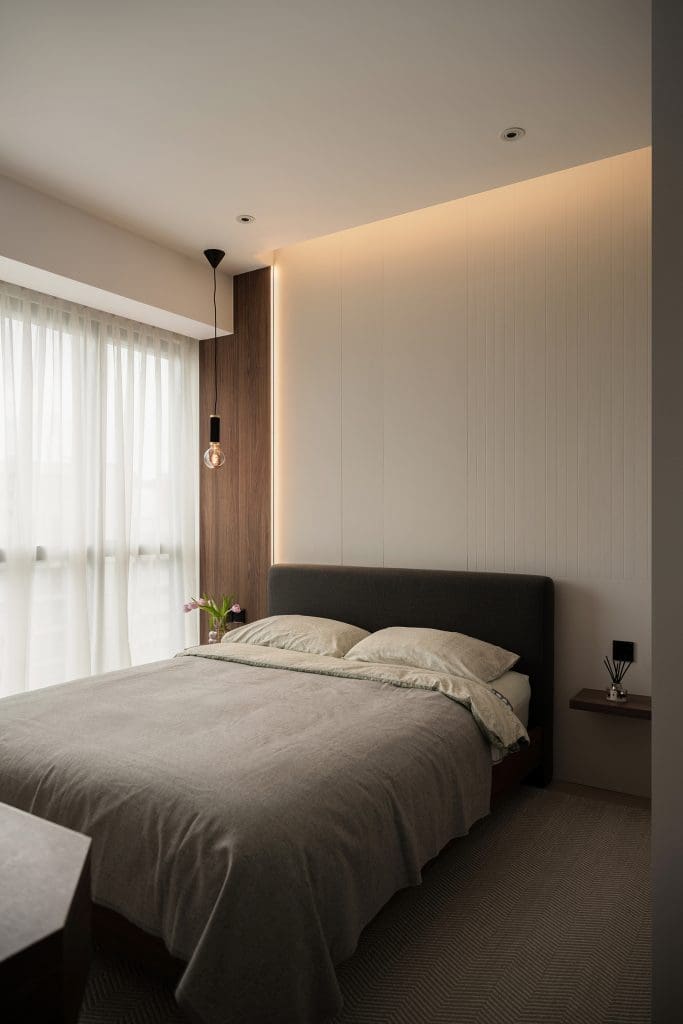
The choice of colors in your bedroom can significantly impact its atmosphere. Opt for soothing, soft hues such as cool blues, gentle greens, or warm neutrals. These colors have a calming effect on the mind and can help create a serene environment. Avoid bold and vibrant colors that can be visually stimulating and hinder relaxation.
Lighting for Relaxation
Proper lighting is crucial in creating a tranquil ambiance in your bedroom. Incorporate dimmable lighting options to adjust the brightness according to your mood and activities. Soft, warm lighting can create a cozy and relaxing atmosphere, while bright lights can be used for reading or other tasks. Consider using blackout curtains or blinds to block out external light sources, especially if you live in a noisy or well-lit area.
Decluttering and Minimalism
A cluttered bedroom can create a sense of chaos and restlessness. Embrace minimalism by decluttering your space and keeping only essential items. Invest in smart storage solutions to keep your belongings organized and out of sight. A minimalist bedroom promotes a calm and serene environment, allowing you to focus on relaxation and rest.
Comfortable Bedding and Pillows
Invest in high-quality bedding and pillows to enhance your sleep quality and comfort. Choose natural, breathable materials such as cotton or bamboo for sheets and pillowcases. Opt for a mattress that provides the right level of support for your body. The right bedding and pillows can make a significant difference in creating a cozy and inviting bedroom.
Incorporating Natural Elements
Bringing nature into your bedroom can create a sense of serenity and tranquility. Place potted plants or fresh flowers to add a touch of greenery and improve air quality. Natural materials such as wood or stone can also be incorporated into the room’s decor to create a connection with the outdoors. These elements add warmth and promote a sense of calm.
Soundproofing for Peace and Quiet
A serene bedroom should be free from unwanted noise and disturbances. Consider soundproofing your bedroom to create a peaceful environment. Use thick curtains, carpets, or acoustic panels to absorb sound. Additionally, a white noise machine or soothing sounds of nature can help mask external noises and promote relaxation.
Aromatherapy and Essential Oils
Aromatherapy has been used for centuries to promote relaxation and well-being. Utilize essential oils such as lavender, chamomile, or eucalyptus to create a soothing atmosphere in your bedroom. Use a diffuser or linen sprays to disperse the calming scents throughout the room. The gentle aroma can help alleviate stress and prepare your mind and body for a restful sleep.
Creating a Personalized Ambiance
Infuse your bedroom with elements that reflect your personal style and preferences. Display meaningful artwork, photographs, or sentimental objects that bring you joy and serenity. Surrounding yourself with items that resonate with you on an emotional level can enhance the overall ambiance and make your bedroom a truly relaxing retreat.
Mindful Technology Use
Excessive use of technology in the bedroom can disrupt sleep patterns and hinder relaxation. Create boundaries by avoiding the use of electronic devices such as smartphones, tablets, or laptops before bedtime. Instead, engage in activities that promote relaxation, such as reading a book, practicing meditation, or journaling. Create a technology-free zone in your bedroom to promote a serene environment.
Plants for a Tranquil Environment
Plants not only add aesthetic appeal but also contribute to a serene atmosphere. Consider incorporating low-maintenance plants such as snake plants, peace lilies, or aloe vera into your bedroom. These plants purify the air, increase humidity levels, and create a sense of serenity and tranquility. Just ensure they receive adequate light and care to thrive.
Maintaining Cleanliness and Organization
Regularly cleaning and organizing your bedroom is essential for maintaining a serene environment. Make your bed every morning, declutter surfaces, and keep your belongings in designated spaces. A clean and organized bedroom promotes a sense of calm and helps you unwind at the end of the day.
Tips for Better Sleep
A serene bedroom is incomplete without promoting better sleep. Follow these additional tips to optimize your sleep environment:
Establish a consistent sleep schedule.
Limit caffeine intake, especially in the evening.
Create a cool and well-ventilated room.
Invest in a comfortable pillow and mattress.
Use breathable bedding materials.
Keep electronic devices away from the bed.
In conclusion, creating a serene bedroom is a transformative journey that can significantly impact your overall well-being. By implementing the tips and strategies discussed in this article, you can create a peaceful retreat that promotes relaxation and restful sleep. Remember to choose calming colors, optimize lighting, declutter and embrace minimalism, invest in comfortable bedding, incorporate natural elements, and practice mindful technology use. With these steps, you’ll be well on your way to enjoying a tranquil and rejuvenating bedroom that serves as your sanctuary. Start creating your serene bedroom today with Ovon-D, the ultimate solution for a peaceful retreat. Improve your sleep quality and transform your bedroom into a calming oasis.
As urbanization continues to surge, the demand for compact homes has risen. Small spaces can be challenging to design, but with the right approach, they can be transformed into stylish, functional, and comfortable living areas. In this article, we will explore effective strategies for designing and optimizing small spaces, focusing on furniture selection, color and lighting, clever design tricks, minimalism, outdoor spaces, and smart technology integration.
Understanding the Challenges of Compact Homes
The Rise of Compact Homes
With the growing population and limited space in urban areas, compact homes have become a popular choice for many individuals and families. These homes offer affordability and convenience, but they also present unique design challenges.
Limited Square Footage and Functional Constraints
One of the primary challenges of small spaces is the limited square footage available. Every inch counts, and it’s crucial to make the most of the available area. Additionally, functional constraints such as awkward layouts or irregularly shaped rooms can further complicate the design process.
Maximizing Storage in Small Spaces
Effective storage solutions are essential in compact homes. Clever utilization of vertical space, hidden storage compartments, and multipurpose furniture can help maximize storage capacity without sacrificing aesthetics or functionality.
Design Principles for Compact Homes
Utilizing Vertical Space
When floor space is limited, it’s crucial to think vertically. Install shelves, cabinets, and wall-mounted organizers to take advantage of the vertical dimension. This allows for efficient storage and keeps the floor area clutter-free.
Multipurpose Furniture and Storage Solutions
Investing in multipurpose furniture is a smart choice for small spaces. Look for items like ottomans with hidden storage, sofa beds, or tables that can extend to accommodate more guests. These pieces provide flexibility and serve multiple functions without occupying excess space.
Creating Illusions of Space with Mirrors and Lighting
Mirrors are excellent tools for creating the illusion of a larger space. Strategically place mirrors to reflect light and visually expand the room. Additionally, proper lighting, both natural and artificial, can enhance the perception of space and make a small area feel more open and inviting.
Furniture Selection and Placement
Choosing the Right Furniture for Compact Homes
Selecting the right furniture is crucial in small spaces. Opt for furniture that is proportionate to the room’s size and allows for easy movement. Avoid bulky pieces that overpower the space and opt for lighter colors to create an airy ambiance.
Optimal Placement and Arrangement of Furniture
The placement and arrangement of furniture play a significant role in optimizing a small space. Consider traffic flow, functionality, and creating visual separation between different zones within the room. Experiment with various layouts to find the arrangement that maximizes both space and usability.
Color and Light: Enhancing Small Spaces
The Impact of Colors on Perception of Space
Colors can greatly influence how we perceive space. Lighter shades, such as pastels or neutrals, create an illusion of openness and airiness, making the room feel larger. Experiment with different color schemes to find the ones that best suit your taste and make the space feel more expansive.
Natural Light and Artificial Lighting Strategies
Natural light is a valuable asset in small spaces. Maximize the use of windows and keep them unobstructed to allow ample sunlight to enter the room. Complement natural light with carefully placed artificial lighting, including ambient, task, and accent lighting, to create a warm and inviting atmosphere.
Clever Design Tricks for Compact Homes
Creating Zones and Divisions
Dividing a small space into functional zones can make it feel organized and less cluttered. Use area rugs, room dividers, or furniture placement to create distinct areas for different activities. This helps give the illusion of separate rooms within a single space.
Incorporating Built-In Furniture and Customization
Built-in furniture and customization are excellent ways to maximize space utilization. Custom-made shelving units, wall-mounted desks, or built-in seating can be tailored to fit perfectly within the available space, providing functionality while maintaining a streamlined appearance.
Incorporating Foldable and Expandable Elements
Foldable and expandable elements, such as folding tables, expandable dining sets, or Murphy beds, are ingenious solutions for small spaces. These versatile pieces can be easily tucked away or expanded when needed, providing functionality without permanently occupying valuable floor space.
Embracing Minimalism
The Minimalist Approach to Small Space Design
Minimalism is a design philosophy that focuses on simplicity, functionality, and the elimination of unnecessary clutter. Embracing a minimalist approach in small space design can create a clean, calming environment that feels open and spacious. Decluttering regularly and adopting a less-is-more mindset are key principles of minimalist design.
Decluttering and Organizing Techniques
To make the most of a small space, it’s essential to declutter and organize belongings effectively. Adopt storage solutions that keep items out of sight and use organizers to group and categorize belongings. Regularly evaluate possessions and let go of items that are no longer needed to maintain a clutter-free environment.
Outdoor Spaces: Expanding the Living Area
Utilizing Balconies, Patios, and Rooftops
If your compact home has an outdoor space, make the most of it by creating an extension of your living area. Furnish the balcony, patio, or rooftop with space-saving furniture and plants to create an outdoor oasis that can be enjoyed throughout the year.
Small-Scale Gardening and Vertical Gardens
Gardening in small spaces is possible with careful planning. Opt for container gardening or vertical gardens to utilize vertical space efficiently. Grow herbs, flowers, or even small vegetables to add greenery and freshness to your compact home.
Smart Technology Integration
Automation and Smart Devices for Small Spaces
Smart technology can greatly enhance the functionality and convenience of a small space. Consider integrating automated systems for lighting, temperature control, or entertainment. Smart devices, such as voice-controlled assistants or compact appliances, can also streamline daily tasks and save valuable space.
Space-Saving Gadgets and Appliances
When selecting gadgets and appliances for a small space, opt for compact, multi-functional options. Look for appliances that combine several functions, such as washer-dryer combos or combination microwave-convection ovens. Compact gadgets, like collapsible kitchen tools or space-saving vacuum cleaners, can also make a significant difference in optimizing limited space.Designing for compact homes requires careful consideration and innovative solutions to optimize limited space. By implementing strategies such as utilizing vertical space, selecting multipurpose furniture, incorporating clever design tricks, embracing minimalism, optimizing lighting and colors, utilizing outdoor areas, and integrating smart technology, small spaces can be transformed into stylish and functional living environments.If you’re looking for professional assistance in designing your compact home, consider Ovon-D. With their expertise and experience in small space solutions, they can help you create a personalized and optimized living area that reflects your style and maximizes functionality. Don’t let the limitations of space hinder your design aspirations; reach out to Ovon-D today and unlock the full potential of your compact home.
The world of interior design is ever-evolving, with new trends and styles constantly emerging. In Singapore, a city known for its innovation and creativity, the interior design scene is vibrant and dynamic. Whether you’re looking to renovate your home or simply update its look, staying on top of the latest trends is essential. In this article, we will explore the top interior design trends in Singapore that can transform your home into a stylish and inviting space.
Minimalism: Simplify and Declutter
In a fast-paced world filled with constant distractions, minimalism has gained significant popularity. This design approach focuses on simplicity and decluttering, creating spaces that are clean, organized, and calming. Minimalist interiors often feature sleek furniture with clean lines and neutral color palettes. Open spaces and ample natural light play a crucial role in achieving a minimalist aesthetic.
Biophilic Design: Bring Nature Indoors
Biophilic design is all about reconnecting with nature by incorporating natural elements into interior spaces. In Singapore, where greenery is highly valued, this trend has gained traction. Biophilic design emphasizes the use of indoor plants, natural materials like wood and stone, and the integration of ample natural light. These elements not only enhance the aesthetics of a space but also contribute to improved well-being and air quality.
Smart Home Technology: Embrace Innovation
As technology continues to advance, smart home technology has become an integral part of interior design. Singaporeans are embracing the convenience and efficiency that smart devices bring to their homes. From voice-controlled assistants to automated lighting and temperature systems, smart home technology offers a seamless integration of functionality and style.
Sustainable Design: Eco-Friendly Choices
With a growing focus on sustainability, eco-friendly design has become a significant trend in Singapore. Homeowners are increasingly opting for materials and practices that minimize their environmental impact. From using recycled or upcycled materials to incorporating energy-efficient appliances and fixtures, sustainable design choices are both aesthetically pleasing and environmentally responsible.
Bold Colors and Patterns: Make a Statement
In contrast to minimalism, the use of bold colors and patterns is making a comeback in Singaporean interiors. Vibrant hues, geometric patterns, and textured surfaces are being used to add personality and create focal points within a space. Whether through accent walls, statement furniture, or vibrant accessories, incorporating bold elements can transform a room from mundane to extraordinary.
Multifunctional Spaces: Optimize Functionality
With the limited square footage of many Singaporean homes, the trend of creating multifunctional spaces has gained popularity. Clever furniture designs that serve multiple purposes, such as sofa beds with hidden storage compartments, are being utilized to maximize functionality. By optimizing the usability of each area, homeowners can make the most of their available space.
Vintage and Retro Revival: Nostalgia Reimagined
Nostalgia is a powerful force, and the revival of vintage and retro design elements is proof of its enduring appeal. In Singapore, homeowners are incorporating retro furniture pieces, mid-century modern accents, and nostalgic color schemes to infuse their homes with a sense of nostalgia and character. This trend adds a unique touch to contemporary interiors, creating a harmonious blend of the past and present.
Asian Fusion: East Meets West
Singapore’s multicultural heritage is reflected in the interior design choices of its residents. The trend of Asian fusion design involves blending Eastern and Western aesthetics to create a harmonious and balanced look. Whether it’s Japanese minimalism, Chinese-inspired motifs, or the fusion of various Asian influences, this trend celebrates diversity and cultural appreciation.
Artistic Expression: Personalized Touches
Art has always played a significant role in interior design, and Singaporeans are embracing the trend of incorporating artistic expression into their homes. Statement artworks, personalized decor items, and custom-made furniture pieces are being used to create spaces that reflect the homeowners’ unique personalities and passions. This trend adds depth and character to any interior.
Industrial Chic: Urban Appeal
Industrial chic design has gained popularity for its urban and edgy aesthetic. Exposed brick walls, raw materials like concrete and metal, and utilitarian accents create a distinctive industrial look. Singaporeans are adopting this trend to add a touch of modernity and urban appeal to their homes, creating spaces that are both stylish and unconventional.
Scandinavian Simplicity: Serene and Cozy
Scandinavian design has long been admired for its simplicity, functionality, and cozy appeal. This trend, characterized by light colors, natural textures, and minimalist furnishings, creates serene and inviting spaces. Singaporeans appreciate the Scandinavian style for its ability to make a home feel warm and welcoming, even in small and compact spaces.
Open Floor Plans: Seamless Transitions
Open floor plans continue to be a popular choice in modern interior design. By removing barriers between different areas of the home, such as the living room, dining area, and kitchen, homeowners can create a seamless flow and promote interaction. Open floor plans make spaces appear larger and allow for more flexibility in furniture arrangement, catering to the needs of contemporary lifestyles.
Luxurious Bathrooms: Spa-like Retreats
Bathrooms are no longer just functional spaces; they have evolved into luxurious retreats. Singaporeans are embracing the trend of creating spa-like bathrooms by incorporating high-end fixtures, freestanding bathtubs, rain showers, and indulgent finishes. These lavish features elevate the bathing experience, transforming the bathroom into a sanctuary of relaxation and rejuvenation.
In conclusion, transforming your home with the top interior design trends in Singapore is an exciting endeavor that can elevate your living space and create a truly personalized environment. Whether you choose to embrace minimalism, incorporate biophilic design, or indulge in luxurious elements, the key is to find a style that resonates with your vision and lifestyle. To bring your design dreams to life, consider partnering with Ovon-D, a reputable interior designer in Singapore. With their expertise and passion for creating beautiful spaces, they can help you navigate the trends, tailor the design to your preferences, and ensure a seamless transformation of your home. Take the first step towards your dream home by contacting Ovon-D today.
Are you considering a condo renovation in Singapore? Embarking on a renovation project can be an exciting yet daunting task. Whether you’re looking to update your condo’s interior, maximize space, or enhance its functionality, careful planning and execution are essential. In this comprehensive guide, we will provide you with valuable tips and ideas to help you navigate the condo renovation process and create a space that reflects your personal style while meeting your practical needs.
1. Set Clear Goals and Establish a Budget
Before diving into any renovation project, it’s crucial to establish clear goals and determine a realistic budget. Ask yourself what you hope to achieve through the renovation. Are you looking to create an open-concept living area, upgrade your kitchen, or revamp the bathroom? Identifying your objectives will help guide your decision-making process and ensure that you stay focused throughout the project.
2. Engage Professional Services
While DIY renovations may seem tempting, hiring professional services can make a significant difference in the outcome of your condo renovation. Collaborating with experienced architects, interior designers, and contractors will not only save you time and effort but also ensure that the project adheres to local building regulations and safety standards. Professionals can provide expert advice, innovative ideas, and help you optimize the use of space.
3. Optimize Space with Clever Design Solutions
Space optimization is crucial, especially in condominiums where square footage is often limited. Consider incorporating smart design solutions such as built-in storage units, multipurpose furniture, and space-saving fixtures. Customized cabinetry, wall-mounted shelves, and hidden storage compartments can help declutter your living areas and maximize every inch of space.
4. Focus on Lighting and Ventilation
Well-planned lighting and ventilation can transform the ambiance and comfort of your condo. Natural light is highly desirable, so consider installing large windows or skylights to invite sunlight into your living space. Additionally, strategically placed artificial lighting can create a warm and inviting atmosphere while also serving functional purposes. Ensure proper ventilation to maintain a healthy and comfortable living environment.
5. Choose High-Quality Materials
Investing in high-quality materials is essential for a durable and aesthetically pleasing condo renovation. From flooring to fixtures, opt for materials that not only look great but also offer longevity and easy maintenance. Consider factors such as durability, resistance to moisture and wear, and sustainability when selecting materials. Engage reputable suppliers and consult with professionals to ensure that you make informed choices.
6. Create a Cohesive Design Scheme
When renovating a condo, it’s important to create a cohesive design scheme that flows seamlessly from room to room. Choose a color palette and design theme that reflects your personal taste and complements the condo’s overall architecture. Harmonize elements such as flooring, wall finishes, furniture, and accessories to achieve a unified and visually appealing look. Seek inspiration from design magazines, online resources, or consult with an interior designer for expert guidance.
7. Prioritize Functionality
Functionality should be a top priority when planning your condo renovation. Analyze your lifestyle and identify areas where improvements can be made. Consider the flow and layout of each room, ensuring that it serves its intended purpose effectively. Customize storage solutions, incorporate practical features, and allocate spaces for specific activities to enhance the overall functionality and convenience of your condo.
8. Stay Updated on the Latest Trends
Keeping abreast of the latest interior design trends can inspire and guide your condo renovation choices. Browse through design publications, visit showrooms, and explore online platforms to discover new ideas, materials, and design concepts. However, it’s important to strike a balance between incorporating trendy elements and ensuring that your condo’s design remains timeless and functional for years to come
9. Consider Sustainable Design Practices
In today’s eco-conscious world, sustainable design practices have gained significant importance. Incorporating sustainable features into your condo renovation not only reduces your environmental footprint but can also result in long-term cost savings. Consider using energy-efficient appliances, installing water-saving fixtures, and integrating renewable materials into your design. Additionally, explore options for recycling and responsibly disposing of construction waste.
10. Enhance Privacy and Soundproofing
Living in a condo often means sharing walls with neighbors. To ensure privacy and create a peaceful living environment, it’s essential to incorporate soundproofing measures during your renovation. Invest in high-quality insulation materials, sound-absorbing panels, and double-glazed windows to minimize noise transfer between units. Enhancing privacy through thoughtful design choices, such as room dividers and window treatments, can also contribute to a more comfortable living space.
11. Plan for Adequate Storage
One common challenge in condos is limited storage space. To overcome this, plan for adequate storage solutions that cater to your specific needs. Consider built-in wardrobes, customized shelving units, and hidden storage compartments to maximize storage capacity without sacrificing aesthetics. Utilize vertical space and underutilized areas such as corners to create additional storage opportunities. Efficient storage not only helps declutter your living areas but also contributes to an organized and visually appealing environment.
12. Pay Attention to Safety and Security
Safety should be a top priority in any renovation project. Ensure that your condo meets safety regulations by installing fire alarms, smoke detectors, and fire extinguishers. Consider reinforcing entry points, such as doors and windows, with sturdy locks or security systems to enhance the overall security of your home. Additionally, consult with professionals to assess potential hazards and take necessary precautions to minimize risks.
13. Seek Inspiration from Local Designs
Drawing inspiration from local designs can add a unique touch to your condo renovation in Singapore. Consider incorporating elements of Singaporean culture, architecture, or design traditions into your interior. This not only adds character to your space but also helps create a connection to the local context. Embrace the vibrant colors, rich textures, and cultural motifs that reflect the beauty of Singapore.
14. Maintain Open Communication
Effective communication is key to a successful condo renovation. Maintain open and transparent communication with your contractors, designers, and suppliers throughout the project. Clearly convey your expectations, address any concerns promptly, and actively participate in the decision-making process. Regular site visits and progress meetings can ensure that the renovation stays on track and aligns with your vision.
15. Seek Professional Assistance for Complex Renovations
For complex condo renovations that involve structural changes or extensive modifications, it’s advisable to seek professional assistance. Engage the services of an architect or engineer to assess the feasibility of your renovation plans and ensure compliance with building codes. Their expertise will help you navigate potential challenges, minimize risks, and ensure that your condo renovation is executed safely and efficiently.
In conclusion, undertaking a condo renovation in Singapore requires careful planning, creative thinking, and expert guidance. By setting clear goals, establishing a budget, and engaging professional services, you can ensure a smooth and successful renovation journey. Remember to optimize space, prioritize functionality, and incorporate high-quality materials to create a cohesive and visually appealing design scheme. Stay updated on the latest trends, embrace sustainable practices, and prioritize privacy and safety. For a truly exceptional condo renovation experience, consider partnering with Ovon-D Interior Designer. Their expertise, attention to detail, and commitment to customer satisfaction will help bring your vision to life. Contact Ovon-D today to transform your condo into a space that exceeds your expectations.
Welcome to our comprehensive guide showcasing the most breathtaking HDB renovations in Singapore. If you’re looking for inspiration to transform your own HDB flat into a stunning living space, you’ve come to the right place. In this article, we’ll take you on a virtual tour of ten jaw-dropping HDB renovations, complete with before and after photos that will leave you amazed. Let’s dive in!
1. Luxurious Loft Living: From Drab to Fab
Prepare to be wowed by this remarkable transformation of a small HDB flat into a luxurious loft. The space was ingeniously designed to maximize every square inch, with an open concept layout that seamlessly combines the living, dining, and kitchen areas. The before photo shows a cramped and outdated space, while the after photo reveals a sleek and modern oasis that exudes elegance and sophistication.
2. Scandinavian Chic: Embracing Simplicity
If you’re a fan of clean lines and minimalist design, this HDB renovation will speak to your soul. The before photo showcases a cluttered and uninspiring living area, but the after photo tells a different story. With a neutral color palette, natural textures, and clever storage solutions, this Scandinavian-inspired HDB flat now radiates calmness and serenity.
3. Industrial Charm: Rustic Elegance Redefined
Step into the world of industrial chic with this stunning HDB renovation. The before photo reveals a bare and lackluster space, but the after photo unveils a mesmerizing blend of raw materials, exposed brick walls, and vintage accents. The industrial charm is further enhanced by clever lighting choices, creating a warm and inviting atmosphere.
4. Modern Minimalism: Where Less is More
Simplicity takes center stage in this modern minimalist HDB flat. The before photo depicts a cramped and cluttered kitchen, but the after photo showcases a clean and streamlined space that embraces the mantra of “less is more.” With sleek cabinetry, hidden storage compartments, and a monochromatic color scheme, this renovation is a testament to the power of simplicity.
5. Nature’s Haven: Bringing the Outdoors In
Escape the hustle and bustle of city life with this nature-inspired HDB renovation. The before photo shows a dull and uninspiring bedroom, while the after photo transports you to a tranquil oasis. The incorporation of natural elements such as wood, stone, and plants creates a harmonious and calming environment, perfect for relaxation and rejuvenation.
6. Vintage Glamour: A Touch of Old-World Charm
Transport yourself to a bygone era with this HDB renovation that oozes vintage glamour. The before photo depicts a dated and worn-out living room, but the after photo showcases a space that seamlessly blends old-world charm with modern sophistication. From the ornate chandeliers to the plush velvet furniture, every element exudes elegance and grandeur.
7. Zen Retreat: Serenity in Simplicity
Discover the art of Zen living with this serene HDB renovation. The before photo reveals a cluttered and chaotic study room, while the after photo presents a minimalist haven that promotes peace and tranquility. The use of natural materials, soothing colors, and clean lines creates a space that encourages mindfulness and relaxation.
8. Smart Living: Harnessing the Power of Technology
Embrace the future with this smart HDB renovation that harnesses the power of technology. The before photo shows a conventional living room, but the after photo unveils a space filled with cutting-edge gadgets and home automation systems. From voice-controlled lighting to automated blinds, this renovation exemplifies the seamless integration of technology into everyday living.
9. Family-Friendly Haven: Creating Spaces for All
In this heartwarming HDB renovation, the focus was on creating a family-friendly haven that caters to the needs of every family member. The before photo depicts a cramped and chaotic playroom, while the after photo reveals a thoughtfully designed space that combines functionality and aesthetics. From clever storage solutions to designated play areas, this renovation ensures that every member of the family feels right at home.
10. Open Concept Wonder: Expanding Boundaries
Last but certainly not least, we present an awe-inspiring open concept HDB renovation that expands the boundaries of space and possibilities. The before photo showcases a closed-off and partitioned living area, but the after photo unveils a sprawling, light-filled space that encourages seamless flow and interaction. By removing walls and introducing strategic design elements, this renovation exemplifies the power of open concept living.In conclusion, if you’re inspired by the jaw-dropping HDB renovations showcased in this article and eager to embark on your own transformation journey, look no further than Ovon-D Interior Design. With their expertise in creating stunning and functional living spaces, Ovon-D is the perfect partner to bring your HDB renovation dreams to life.Whether you envision a luxurious loft, a Scandinavian haven, an industrial-inspired retreat, or any other design concept, Ovon-D’s team of talented designers will work closely with you to understand your vision, preferences, and lifestyle needs. They will harness their creativity, expertise, and meticulous attention to detail to craft a bespoke HDB renovation that surpasses your expectations.Don’t settle for ordinary when you can have extraordinary. Contact Ovon-D Interior Design today and take the first step towards transforming your HDB into a breathtaking sanctuary that reflects your unique style and personality.
Interior design plays a crucial role in creating aesthetically pleasing and functional spaces. Whether you’re remodeling your home, starting from scratch, or simply seeking a fresh perspective, working with an interior designer can be a game-changer. Their expertise, creativity, and attention to detail can transform your vision into a reality. In this guide, we will walk you through the process of working with an interior designer, from finding the right professional to enjoying the final results.
1. Introduction
Designing a space that reflects your personal style and meets your practical needs requires careful planning and execution. An interior designer is a professional who possesses the skills and knowledge to optimize your space, improve its functionality, and create a harmonious atmosphere. They work closely with clients to understand their preferences, lifestyle, and objectives, translating them into a well-designed environment. Let’s explore the benefits of working with an interior designer and the steps involved in the collaborative process.
2. Why hire an interior designer?
2.1. Professional expertise
Interior designers are trained professionals with a deep understanding of design principles, spatial arrangements, and color psychology. They possess the knowledge to make informed decisions about layout, furniture selection, lighting, and materials. Their expertise ensures that your space not only looks visually appealing but also functions optimally.
2.2. Design creativity and vision
Interior designers have a unique ability to visualize the potential of a space. They can conceptualize innovative design solutions that align with your preferences and requirements. By leveraging their creativity, they can transform ordinary spaces into extraordinary ones, adding personality and character to every corner.
2.3. Time and cost savings
Working with an interior designer can save you valuable time and money in the long run. Designers have access to a vast network of suppliers, contractors, and vendors, which allows them to source materials and furnishings at competitive prices. They can also help you avoid costly mistakes by guiding you towards the right choices from the start.
3. Finding the right interior designer
The key to a successful collaboration with an interior designer is finding the right professional who aligns with your style, vision, and budget. Here are some steps to help you find the perfect match:
3.1. Research and referrals
Start by conducting thorough research online, looking for reputable interior designers in your area. You can also seek recommendations from friends, family, or colleagues who have worked with designers before. Gathering multiple options will allow you to compare their portfolios and reviews.
3.2. Portfolio review
Reviewing the portfolios of potential interior designers is crucial to assess their style, versatility, and expertise. Look for projects that resonate with your preferences and demonstrate the designer’s ability to tackle different design aesthetics.
3.3. Interviews and consultations
Once you have narrowed down your options, schedule interviews or consultations with the designers you’re interested in. This will give you an opportunity to discuss your project, ask questions, and gauge their communication style and level of professionalism. It’s essential to choose someone who listens attentively and understands your vision.
4. Establishing goals and budget
Before diving into the design process, it’s important to establish clear goals and set a realistic budget. Here’s what you need to consider:
4.1. Defining your needs and preferences
Take some time to assess your needs, preferences, and lifestyle. Consider how you will use the space and what specific elements are important to you. This will help the interior designer understand your requirements and tailor the design accordingly.
4.2. Setting a realistic budget
Be transparent about your budget from the beginning. Communicate your financial constraints to the interior designer so that they can work within your means. A skilled designer will know how to balance your expectations with the available budget and suggest cost-effective alternatives when necessary.
5. Collaborating with the interior designer
A successful collaboration with an interior designer relies on effective communication and active participation. Here’s how you can make the most of this partnership:
5.1. Communication and active participation
Maintain open and honest communication with your designer throughout the project. Clearly express your likes, dislikes, and any concerns you may have. Active participation ensures that your preferences are reflected in the design.
5.2. Sharing ideas and inspirations
Collect images, magazine clippings, or Pinterest boards that inspire you. Share these with your designer to provide a visual representation of your style and preferences. This will help them better understand your taste and incorporate it into the design.
5.3. Providing feedback and input
During the design process, your designer will present concepts and ideas. It’s important to provide constructive feedback and share your thoughts openly. Remember, collaboration is key to achieving the desired outcome.
6. The design process
Once the initial groundwork is done, the interior design process can begin. Here’s an overview of the typical steps involved:
6.1. Conceptualization and space planning
The designer will develop a concept for your space, taking into consideration your goals, lifestyle, and budget. They will create floor plans and 3D visualizations to help you envision the final result.
6.2. Material and color selection
6.2. Material and color selectionThe selection of materials, finishes, and colors is a crucial aspect of interior design. Your designer will guide you in choosing the right materials that align with your style, budget, and functional requirements. They will present you with various options for flooring, countertops, cabinetry, fabrics, and more. Additionally, they will help you select a color palette that sets the desired mood and enhances the overall aesthetic of the space.
6.3. Furniture and accessory sourcing
Once the foundational elements are in place, the designer will assist you in selecting furniture pieces and accessories that complement the design concept. They will consider factors such as comfort, functionality, and visual appeal while curating a cohesive look. Whether it’s sourcing unique pieces or customizing furniture, their expertise ensures that each item fits harmoniously within the space.
6.4. Lighting and fixtures
Lighting plays a significant role in creating ambiance and highlighting architectural features. Your interior designer will develop a lighting plan that includes a combination of ambient, task, and accent lighting. They will help you choose light fixtures that not only provide adequate illumination but also contribute to the overall aesthetic appeal of the space.
7. Project management and implementation
Once the design plan is finalized, the interior designer takes on the role of project manager to ensure a smooth implementation process. Here’s what this phase entails:
7.1. Timeline and milestones
Your designer will establish a timeline for the project, outlining key milestones and deadlines. This helps keep the project on track and ensures that all tasks are completed in a timely manner. Regular progress updates and communication between you and the designer will help address any concerns or adjustments along the way.
7.2. Coordination with contractors
Interior design projects often involve various contractors, such as painters, carpenters, and electricians. Your designer will coordinate with these professionals, ensuring that everyone is on the same page and the design plan is executed seamlessly. They will oversee the construction and installation process to maintain the desired quality and aesthetic.
7.3. Procurement and installation
During this phase, the designer will handle the procurement of materials, furniture, and accessories. They will ensure that items are delivered on time and oversee the installation process. This includes arranging for professional installation of fixtures, furniture placement, and final styling.
8. Overcoming challenges
Working on an interior design project can come with its fair share of challenges. Here are some common obstacles you may encounter and how to overcome them:
8.1. Budget constraints
Sometimes, budget limitations may arise during the design process. Your designer can help you prioritize and make informed choices that fit within your budget. They may suggest alternative materials, recommend cost-saving measures, or adjust the scope of the project to accommodate your financial constraints.
8.2. Conflicting design preferences
In cases where multiple individuals have different design preferences, it’s important to find a balance. Your designer can mediate and propose design solutions that incorporate elements that appeal to everyone involved. Effective communication and compromise are key to resolving conflicting preferences.
8.3. Unforeseen complications
During the implementation phase, unforeseen complications may arise, such as structural issues or delivery delays. Your designer will be equipped to handle such situations, adapt the plan accordingly, and find suitable alternatives to keep the project moving forward.
9. Enjoying the final result
After weeks or months of collaboration, planning, and hard work, the moment arrives to enjoy the final result. Working with an interior designer can provide you with numerous benefits and rewards:
9.1. Personalized and functional space
The expertise of an interior designer ensures that your space reflects your personality, meets your functional needs, and is tailored to your lifestyle. You’ll have a personalized environment that resonates with your unique style and preferences. Every element of the design will be thoughtfully curated to enhance the functionality and usability of the space.
9.2. Increased property value
Investing in professional interior design can significantly increase the value of your property. A well-designed and aesthetically pleasing space has higher appeal to potential buyers or renters. It sets your property apart from others and can lead to a higher return on investment when it comes time to sell or lease.
9.3. Enhanced aesthetic appeal
Working with an interior designer ensures that your space has a cohesive and visually appealing look. They have an eye for detail and understand how to create a harmonious balance between colors, textures, and furniture placement. The final result will be an environment that is visually stunning and inviting to both you and your guests.
In conclusion, working with an interior designer from Ovon-D can elevate your home or office space to new heights. Their expertise, creativity, and attention to detail will transform your vision into a reality. With their guidance, you’ll enjoy a personalized and functional environment that reflects your style and enhances your daily life. Whether you’re looking to revamp a single room or undertake a full-scale renovation, Ovon-D’s team of talented designers will bring your space to life. Don’t wait any longer to create the space of your dreams. Contact Ovon-D today and embark on a journey of design excellence.
Are you planning to embark on an interior design project but unsure how to choose the right professional to bring your vision to life? Hiring an interior designer can significantly enhance the aesthetics and functionality of your space, but finding the perfect match requires careful consideration. In this article, we will guide you through the essential steps to choose the right interior designer for your project.
Understanding Your Needs
Before you start searching for an interior designer, it’s crucial to have a clear understanding of your needs and objectives. Consider the purpose of the space, your personal style, and any specific requirements or challenges you might face. This initial clarity will help you communicate effectively with potential designers and ensure they can meet your expectations.
Assessing the Designer’s Expertise
When evaluating interior designers, it’s important to assess their expertise and qualifications. Look for designers who have relevant education, certifications, and experience in the field. A well-rounded designer should possess knowledge of architectural principles, space planning, color theory, materials, and more. Don’t hesitate to ask about their specialization or any additional skills they bring to the table.
Evaluating the Designer’s Portfolio
A designer’s portfolio provides valuable insights into their style, creativity, and versatility. Review their previous projects to see if their work aligns with your aesthetic preferences and the overall vibe you envision for your space. Pay attention to the range of projects they have undertaken, as it can demonstrate their adaptability and ability to work on diverse projects.
Checking References and Reviews
One of the best ways to gauge an interior designer’s reliability and professionalism is by checking references and reviews from their past clients. Reach out to references provided by the designer and ask about their experience working together. Additionally, search for online reviews and testimonials to get a broader perspective on their reputation.
Considering the Design Process
Understanding the designer’s approach and design process is crucial for a successful collaboration. Inquire about their methods of gathering client requirements, creating design concepts, and presenting proposals. A designer who involves you in the decision-making process and listens to your input will ensure that your vision is translated into reality.
Discussing Budget and Timeline
Transparent communication about budget and timeline is essential from the outset. Share your budget limitations with the designer and discuss their fee structure to ensure it aligns with your financial capabilities. Furthermore, establish a clear timeline for the project and inquire about their availability to meet your desired completion date.
Communication and Collaboration
Effective communication and collaboration are paramount for a fruitful partnership with your chosen interior designer. Assess their communication style, responsiveness, and ability to actively listen to your ideas and concerns. A designer who values open dialogue and encourages collaboration will ensure a more satisfying design experience.
Compatibility and Personal Style
Beyond expertise, it’s crucial to choose an interior designer whose personality and personal style align with yours. You will be working closely together throughout the project, so a good rapport and shared vision will foster a smoother process. Consider scheduling a meeting or interview to gauge compatibility and ensure a comfortable working relationship.
Contracts and Agreements
Once you have selected a potential interior designer, it’s essential to establish clear contractual agreements to protect both parties. A well-drafted contract should outline the scope of work, project timeline, payment terms, and any additional terms and conditions. Take the time to review the contract carefully and seek legal advice if needed before signing.
Project Management Skills
A skilled interior designer should possess excellent project management skills to ensure a smooth and efficient execution of your project. Inquire about their ability to coordinate with contractors, architects, and other professionals involved in the process. A designer who can effectively manage timelines, budgets, and resources will help avoid unnecessary delays and complications.
Keeping Up with Trends
Interior design trends evolve constantly, and it’s important to choose a designer who stays updated with the latest industry developments. Inquire about their knowledge of current design trends, materials, and technologies. A designer who can seamlessly blend timeless design principles with contemporary elements will help create a space that stands the test of time.
Sustainability and Eco-Friendly Design
If sustainability and eco-friendliness are important to you, look for an interior designer who shares your values. Inquire about their approach to sustainable design, the use of eco-friendly materials, and energy-efficient solutions. A designer who prioritizes sustainability will not only create a healthier environment but also contribute to reducing your ecological footprint.
Evaluating the Cost
While cost should not be the sole determining factor, it’s important to consider the financial aspect when choosing an interior designer. Request a detailed breakdown of their fees and expenses to ensure it aligns with your budget. Keep in mind that investing in quality design can add value to your property in the long run.
Making the Final Decision
After gathering all the necessary information and evaluating the potential interior designers based on your criteria, it’s time to make the final decision. Trust your instincts and choose the designer who best understands your vision, communicates effectively, and possesses the necessary expertise and qualifications.Choosing the right interior designer for your project is a crucial step in creating a space that reflects your style and meets your needs. By considering factors such as expertise, portfolio, communication, compatibility, and budget, you can make an informed decision. If you’re looking for a highly skilled and creative interior designer, look no further than Ovon-D. With their extensive experience, attention to detail, and commitment to client satisfaction, Ovon-D is dedicated to bringing your vision to life. Don’t wait any longer; contact Ovon-D today and take the first step towards transforming your space into something extraordinary.
Renovating your home can be an exciting endeavor, but it often comes with a hefty price tag. However, with the right approach and some creative thinking, you can transform your living space without breaking the bank. In this article, we will explore several DIY tips and tricks that will help you renovate your home on a budget.
1. Introduction
Introduce the concept of renovating on a budget and the benefits it offers. Mention that with careful planning and resourcefulness, homeowners can achieve remarkable transformations without overspending.
2. Assessing Your Budget
Explain the importance of assessing your budget before starting any renovation project. Provide practical tips on how to evaluate your financial resources, prioritize expenses, and set a realistic budget for your renovation.
3. Setting Priorities
Discuss the significance of setting priorities when renovating on a budget. Guide homeowners on how to identify and prioritize the key areas or elements of their home that require immediate attention or have the most impact on the overall aesthetics and functionality.
4. Repurposing and Upcycling
Highlight the benefits of repurposing and upcycling furniture and decor items. Provide ideas and examples of how homeowners can breathe new life into old or unused items, such as transforming wooden pallets into stylish coffee tables or repainting old cabinets to give them a fresh look.
5. Painting and Wallpapering
Discuss the transformative power of paint and wallpaper in home renovations. Offer tips on selecting cost-effective paint options, choosing complementary color schemes, and using wallpaper as an accent or focal point in different rooms.
6. Flooring on a Budget
Explore various budget-friendly flooring options that homeowners can consider, such as laminate, vinyl, or engineered wood. Discuss the pros and cons of each option and provide tips on how to save money on installation or maintenance.
7. Budget-Friendly Lighting Solutions
Explain the importance of good lighting in creating an inviting atmosphere. Suggest affordable lighting solutions, such as energy-efficient LED bulbs, DIY pendant lights, or installing dimmer switches to control the ambiance.
8. Thrift Store and Secondhand Finds
Encourage homeowners to explore thrift stores, flea markets, and online platforms for unique and affordable furniture and decor pieces. Provide tips on how to find hidden gems and repurpose them to fit their style and needs.
9. DIY Furniture Makeovers
Share step-by-step instructions for simple furniture makeovers. Explain how homeowners can update outdated or worn-out furniture with paint, new upholstery, or decorative hardware to give them a fresh and modern look.
10. Creative Storage Solutions
Offer innovative ideas for maximizing storage space without splurging on expensive built-ins. Discuss the use of shelving units, baskets, hooks, and under-the-bed storage solutions to declutter and organize different areas of the home.
11. Updating Fixtures and Hardware
Emphasize the impact that updating fixtures and hardware can have on the overall appearance of a home. Provide suggestions on budget-friendly options for replacing outdated faucets, cabinet handles, doorknobs, and light fixtures to give rooms a fresh and modern feel.
12. Budget-Friendly Kitchen Renovations
Discuss cost-effective ways to renovate a kitchen without breaking the bank. Provide tips on refinishing cabinets, updating countertops with affordable materials like laminate or concrete, and adding a fresh coat of paint to create a new look and feel.
13. Bathroom Upgrades on a Budget
Highlight the importance of a well-maintained and aesthetically pleasing bathroom. Offer ideas for budget-friendly bathroom upgrades such as regrouting tiles, replacing outdated fixtures, adding a new mirror or vanity, and incorporating stylish yet affordable accessories.
14. Landscaping and Curb Appeal
Explain the significance of curb appeal in enhancing the overall value and appeal of a home. Provide DIY tips for landscaping on a budget, such as planting low-maintenance plants, creating a focal point with inexpensive outdoor decor, and maintaining a neat and well-groomed lawn.
15. Conclusion
Summarize the key points discussed in the article and reiterate the possibilities of renovating on a budget. Encourage homeowners to embrace their creativity, prioritize their renovation goals, and take advantage of cost-effective DIY solutions to transform their homes without spending a fortune.
FAQs (Frequently Asked Questions)
1. Can I really renovate my home on a budget?
Absolutely! With careful planning, prioritization, and resourcefulness, you can achieve remarkable results without breaking the bank. This article provides numerous DIY tips and tricks to help you get started.
2. How do I set a realistic budget for my renovation?
Assess your financial resources, prioritize your expenses, and research the costs associated with different renovation projects. Be realistic about what you can afford and be prepared to make compromises if needed.
3. Are DIY renovations difficult to tackle?
While some projects may require more skill and experience, there are plenty of DIY renovations that are accessible to beginners. Start with smaller projects and gradually build your confidence and expertise.
4. Can repurposing and upcycling really make a difference in my renovation?
Absolutely! Repurposing and upcycling not only save money but also add a unique and personal touch to your home. Get creative and see the potential in items that others might overlook.
5. Where can I find affordable furniture and decor pieces?
Thrift stores, flea markets, online marketplaces, and even yard sales are great places to find unique and affordable furniture and decor. Keep an open mind and be prepared to give items a second life with a little creativity and DIY magic.
In conclusion, renovating your home on a budget doesn’t mean you have to compromise on style or quality. By implementing the DIY tips and tricks discussed in this article, you can transform your living space into a beautiful and inviting haven without breaking the bank. Remember to assess your budget, set priorities, and explore cost-effective solutions such as repurposing, upcycling, and utilizing thrift store finds. With a little creativity and resourcefulness, you can achieve remarkable results and create a home that reflects your unique style and personality.If you need professional assistance in your home renovation journey, consider partnering with Ovon-D Interior Design. Our team of experienced designers understands the challenges of renovating on a budget and can help you bring your vision to life while optimizing your resources. Whether you’re looking to refresh a single room or undertake a complete home makeover, Ovon-D is here to provide expert guidance, innovative ideas, and personalized solutions tailored to your needs.Don’t let budget constraints hold you back from achieving the home of your dreams. Contact Ovon-D Interior Design today and let us help you transform your space into a stylish, functional, and budget-friendly haven.
Are you looking to add a personal touch to your living space? Do you want to create a warm and inviting atmosphere without breaking the bank? Look no further than do-it-yourself (DIY) home decor projects. Not only are they a fun and creative way to express yourself, but they also offer a range of benefits. In this article, we will explore the world of DIY home decor projects, providing you with step-by-step guidance, tips, and inspiration to get crafty and transform your home.
Benefits of DIY Home Decor Projects
DIY home decor projects offer numerous advantages. Firstly, they allow you to unleash your creativity and showcase your unique style. By working on DIY projects, you can personalize your home and make it truly yours. Additionally, DIY projects are often more budget-friendly compared to purchasing ready-made decor items. You can save money while creating beautiful and personalized decorations for your home. Moreover, engaging in DIY projects can be a great stress-reliever and a source of satisfaction when you see the final results of your hard work.
Choosing the Right DIY Home Decor Projects
Before diving into DIY home decor projects, it’s essential to choose the right ones that align with your interests and skill level. Consider your preferences, available time, and resources when selecting projects. You can opt for simple projects like creating customized wall art or decorative throw pillows, or challenge yourself with more complex endeavors such as refurbishing furniture or building a shelving unit. Choose projects that excite you and match your home’s aesthetic to ensure a rewarding experience.
Essential Tools and Materials
To embark on your DIY journey, it’s crucial to have the right tools and materials. The specific requirements will vary based on the project you choose, but some common essentials include a measuring tape, hammer, screwdriver set, paintbrushes, glue, a sewing machine, and a hot glue gun. It’s also important to stock up on materials such as wood, fabric, paint, adhesive, and decorative elements like beads or ribbons. Investing in quality tools and materials will enhance the outcome of your projects and make your DIY experience more enjoyable.
Step-by-Step Guide to DIY Home Decor Projects
Getting Started
Begin by setting aside dedicated time for your DIY projects. Clear your schedule and create a comfortable workspace where you can focus and let your creativity flow. Gather your tools and materials to ensure they’re easily accessible during the project.
Selecting the Project
Choose a DIY home decor project that sparks your interest. Consider your skill level, available time, and desired outcome. Whether it’s repurposing old items or creating something entirely new, make sure the project aligns with your vision.
Gathering Materials
Create a list of materials needed for your chosen project. Visit local craft stores, browse online marketplaces, or repurpose items you already have at home. Collect all the necessary materials before starting the project to avoid interruptions.
Preparing the Workspace
Clear your workspace and ensure you have enough room to work comfortably. Lay down protective coverings or newspaper to prevent any mess. Set up your tools and materials within reach, organizing them in a way that makes the process more efficient.
Following Instructions
Carefully read and understand the instructions or tutorials related to your chosen DIY project. Pay attention to specific measurements, techniques, and safety precautions. Following instructions diligently will help you achieve the desired results and avoid unnecessary mistakes.
Adding Personal Touches
One of the joys of DIY home decor projects is the ability to infuse your personal touch. Consider incorporating elements that reflect your style, such as using your favorite colors, patterns, or textures. Add embellishments or customize designs to make the project uniquely yours.
Finishing and Displaying the Project
Once you’ve completed the project, take a step back and admire your handiwork. Make any final adjustments if needed. Determine the ideal spot to display your creation and carefully place it in your home. Whether it’s a handmade wall art or a refurbished furniture piece, your DIY project will enhance the ambiance of your space.
Tips and Tricks for Successful DIY Home Decor Projects
Start small: If you’re new to DIY, begin with simpler projects to build confidence and skills before taking on more complex endeavors.
Plan and measure: Take the time to plan your project and accurately measure materials to avoid wastage or incorrect proportions.
Embrace mistakes: Mistakes are part of the learning process. Embrace them as opportunities to improve and get creative with solutions.
Seek inspiration: Browse magazines, websites, or social media platforms for inspiration and ideas to fuel your creativity.
Join a community: Connect with other DIY enthusiasts through online forums or local workshops to learn from their experiences and share your own.
Common Mistakes to Avoid
Skipping safety precautions: Always prioritize safety by wearing appropriate protective gear and following safety guidelines when using tools or materials.
Rushing the process: Take your time to ensure precision and quality in your work. Rushing can lead to mistakes or unsatisfactory results.
Neglecting proper storage: Store your tools and materials properly after each project to maintain their condition and longevity.
Ignoring your skill level: Be realistic about your abilities and tackle projects that match your skill level. Trying to take on advanced projects without the necessary expertise can lead to frustration or subpar results.
Inspiration for DIY Home Decor Projects
Upcycled wine bottle vases: Transform empty wine bottles into unique vases by painting or adding decorative elements.
Macrame wall hangings: Learn the art of macrame to create intricate and stylish wall hangings that add texture to any room.
Customized photo frames: Personalize plain photo frames with paint, washi tape, or decoupage techniques to showcase cherished memories.
DIY candle holders: Repurpose mason jars, wine glasses, or ceramic containers to create stunning candle holders that set a cozy atmosphere.
Painted furniture: Give old furniture a fresh look by sanding, painting, or distressing them to match your desired aesthetic.
In conclusion, DIY home decor projects offer an incredible opportunity to showcase your creativity, personalize your living space, and create a warm and inviting atmosphere. By following the outlined steps, considering your skill level, and utilizing essential tools and materials, you can embark on a fulfilling journey of transforming your home with your own hands. However, if you find yourself overwhelmed or in need of professional expertise, consider partnering with an interior designer like Ovon-D. With their experience and knowledge, they can provide valuable insights, unique design ideas, and a tailored approach to bring your vision to life. Don’t hesitate to reach out to Ovon-D and take your home decor to the next level.
Are you tired of the same old neutral color schemes in your interior design? Do you want to infuse your living spaces with energy and personality? It’s time to dare to be bold and embrace vibrant colors in your interior design. Using vibrant colors can add depth, excitement, and a unique flair to any room. In this article, we will explore how you can incorporate vibrant colors into your interior design to create a stunning and captivating space.
The Power of Vibrant Colors
Vibrant colors have a powerful impact on our emotions and can significantly influence the mood and atmosphere of a room. They can evoke feelings of joy, enthusiasm, and creativity. When used correctly, vibrant colors can transform a dull and lifeless space into a lively and energetic oasis. By daring to be bold with your color choices, you can create a unique and memorable interior that reflects your personality and style.
Selecting the Right Colors
Before diving headfirst into a sea of vibrant colors, it’s essential to choose the right ones that complement your space and personal taste. Consider the following factors when selecting colors for your interior design:
1. Consider the Room’s Purpose
Different colors evoke different emotions and are suitable for various room functions. For example, vibrant reds and oranges can create a lively atmosphere in a social area such as the living room or dining room. On the other hand, serene blues and greens are perfect for bedrooms and relaxation spaces.
2. Assess the Natural Light
Take into account the natural light in the room when selecting vibrant colors. Rooms with ample natural light can handle more intense colors, while spaces with limited light may benefit from lighter and brighter hues. Natural light can also affect how colors appear, so test your chosen colors under different lighting conditions before committing.
3. Consider Existing Furniture and Decor
Take stock of your existing furniture and decor items to ensure that the vibrant colors you choose harmonize with the overall aesthetic. Consider whether you want your new colors to complement or contrast with your existing pieces. It’s also important to think about the longevity of the color scheme, as vibrant colors may be more challenging to match with future additions.
Incorporating Vibrant Colors
Now that you have selected your vibrant color palette, it’s time to incorporate them into your interior design. Here are some creative ways to infuse vibrant colors into your living spaces:
1. Accent Walls
An accent wall painted in a vibrant color can instantly become the focal point of a room. Choose a wall that has architectural interest, such as one with a fireplace or large window, and paint it in a bold and attention-grabbing hue. This technique adds depth and drama to the space without overwhelming it.
2. Bold Furniture Pieces
Make a statement with bold and vibrant furniture pieces. Consider investing in a sofa, armchair, or ottoman in a striking color that complements your overall color scheme. These pieces not only add visual interest but also serve as conversation starters and eye-catching focal points.
3. Colorful Accessories
Add pops of vibrant colors through accessories such as throw pillows, rugs, curtains, and artwork. These elements can be easily switched out and updated over time, allowing you to experiment with different color combinations without committing to a permanent change.
4. Statement Lighting
Lighting fixtures come in various shapes, sizes, and colors. Choose unique and vibrant light fixtures that not only provide functional lighting but also serve as works of art. Pendant lights, chandeliers, and table lamps in bold colors can add a touch of glamour and whimsy to any room.
5. Wallpaper and Wall Decals
Wallpaper and wall decals offer endless possibilities for incorporating vibrant colors into your interior design. Choose a pattern or design that complements your overall aesthetic and use it on an accent wall or the entire room. Wall decals are a more affordable and temporary option that allows you to experiment with different colors and patterns without committing to a permanent change.
6. Color Blocking
Color blocking is a technique that involves pairing two or more contrasting colors in a bold and geometric pattern. This technique can add visual interest and depth to any space. Use color blocking on a feature wall, rug, or furniture piece for a modern and stylish look.
7. Bold Flooring
Make a statement with bold and vibrant flooring options such as patterned tiles, colorful rugs, or brightly stained hardwood floors. These options add personality and flair to any room and serve as a beautiful foundation for the rest of your interior design.
Frequently Asked Questions
Is it possible to use too many vibrant colors in a room?
While there is no set rule for the number of vibrant colors you can use in a room, it’s important to balance them with neutral and subdued tones to prevent the space from feeling overwhelming. Use your vibrant colors as accents and pair them with more subdued shades to create a harmonious balance.
What colors work best for small rooms?
Lighter and brighter hues such as pastels, whites, and neutrals can make small rooms feel more spacious and open. However, don’t be afraid to incorporate bold and vibrant colors as accents to add interest and depth to the space.
How do I ensure my vibrant color choices complement each other?
When selecting vibrant colors, consider the color wheel and choose colors that are complementary or adjacent to each other. You can also use online color scheme generators to help you select harmonious color combinations.
How do I incorporate vibrant colors into a rental space?
If you’re unable to paint the walls in your rental space, consider using temporary wallpaper or removable wall decals to add pops of vibrant color. You can also use colorful furniture pieces and accessories to add personality and flair to the space.
What’s the best way to incorporate vibrant colors into a traditional interior design?
When incorporating vibrant colors into a traditional interior design, consider using them in unexpected ways, such as pairing a bold and vibrant rug with classic and timeless furniture pieces. You can also use vibrant colors in artwork, accessories, and accent pieces to add interest and personality to the space.
How do I balance my vibrant color choices with the rest of my interior design?
Balance your vibrant color choices with neutral and subdued tones to prevent the space from feeling overwhelming. Use your vibrant colors as accents and pair them with more subdued shades to create a harmonious balance.In conclusion, embracing vibrant colors in your interior design can bring new life and energy to your living spaces. It’s time to let your personality shine through and create a home that truly reflects who you are. If you’re looking for expert guidance and a professional touch to incorporate vibrant colors into your interior design, consider hiring the services of Ovon-D, an experienced and talented interior designer. With their expertise and creativity, they can help you achieve a stunning and captivating space that you’ll love coming home to. Don’t hesitate to contact Ovon-D today to discuss your design needs and dare to be bold with vibrant colors in your interior design.