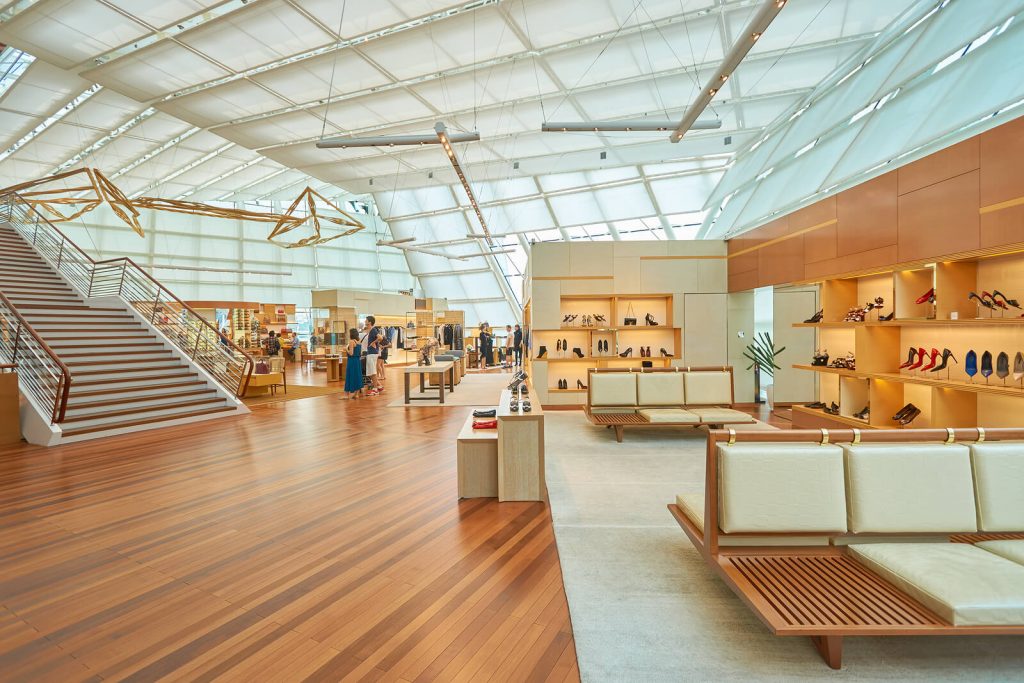
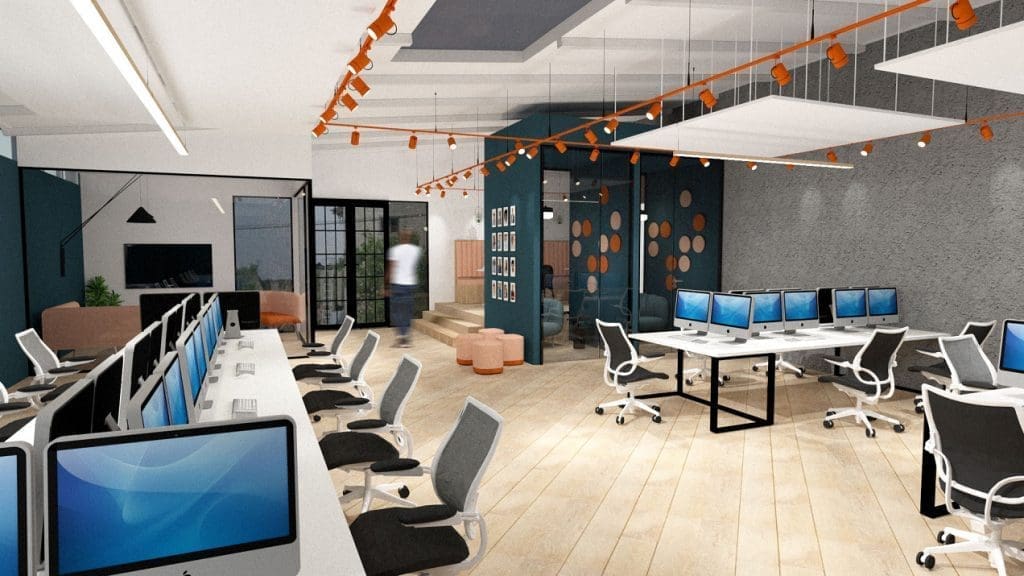
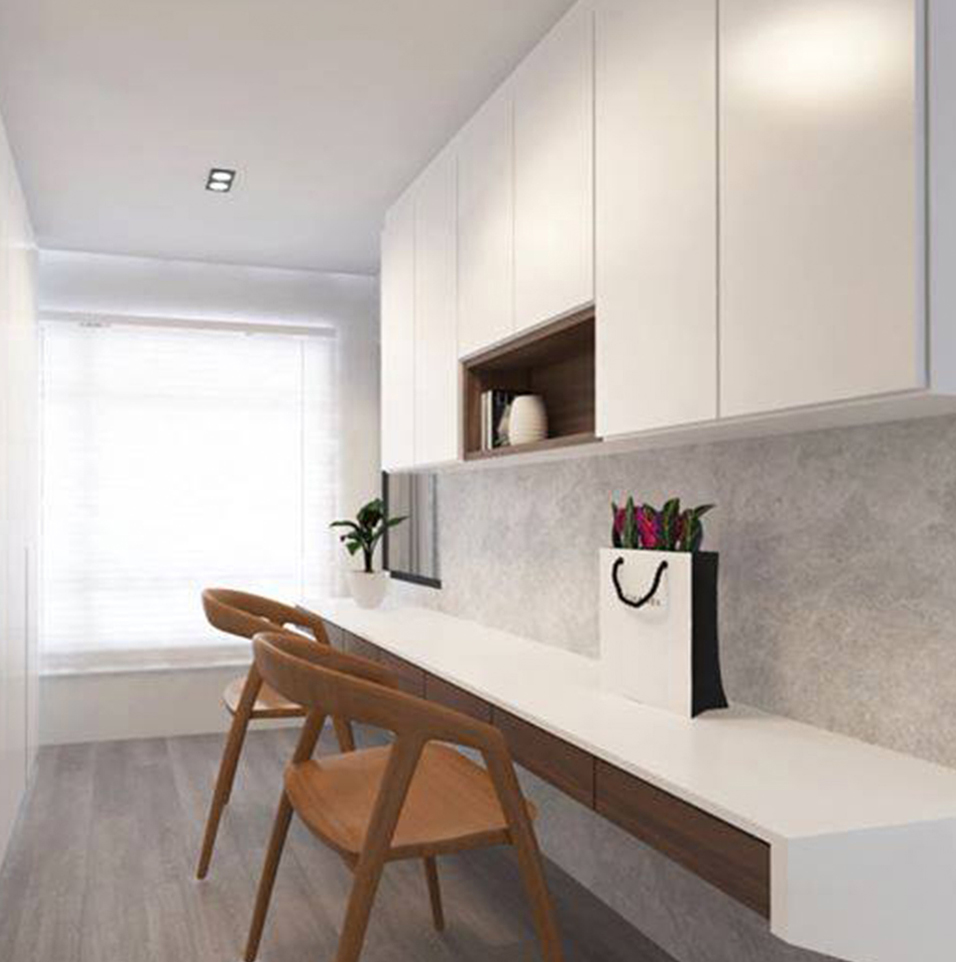
In the fast-paced world of retail, success hinges on creating an optimal shopping experience for customers. The design of commercial spaces plays a crucial role in attracting and retaining customers, influencing their purchasing decisions, and ultimately driving business growth. This article delves into the art and science of designing for retail success, exploring strategies, techniques, and best practices for optimizing commercial spaces.
Designing for Retail Success: Optimizing Commercial Spaces
When it comes to designing for retail success, optimizing commercial spaces is key. A well-designed retail environment can significantly impact consumer behavior, positively influencing their perception of a brand, and increasing the likelihood of making a purchase. Let’s explore some effective ways to optimize commercial spaces for maximum retail success.
Creating an Inviting Entrance
The entrance of a retail store is the first point of contact with potential customers. It sets the tone for the shopping experience and determines whether customers are enticed to enter. By designing an inviting entrance, retailers can attract foot traffic and create a positive first impression. Elements such as captivating signage, attractive window displays, and well-lit entrances can make a significant difference in drawing customers inside.
Strategic Product Placement
Proper product placement is a crucial aspect of optimizing commercial spaces. Retailers should strategically position products to maximize visibility, accessibility, and impulse purchases. High-demand items and promotional products should be placed at eye level and near checkout counters to increase the likelihood of sales. Additionally, creating visually appealing product displays and arranging complementary items together can enhance cross-selling opportunities.
Thoughtful Store Layout
An intelligently designed store layout can enhance the overall shopping experience and increase customer engagement. Retailers should consider factors such as traffic flow, aisle width, and navigation when planning the layout. By optimizing the store’s layout, retailers can guide customers through the space, expose them to a variety of products, and encourage exploration. Creating designated areas for different product categories can also make the shopping experience more convenient and organized.
Lighting and Ambiance
Lighting plays a crucial role in setting the ambiance of a retail space. Properly lit areas can highlight products, create focal points, and evoke desired emotions. Bright lighting is ideal for attracting attention to specific products, while softer lighting can create a cozy atmosphere in certain sections. A well-balanced combination of ambient, task, and accent lighting can enhance the overall aesthetic appeal and improve the customer experience.
Utilizing Technology
Incorporating technology into commercial spaces can enhance the retail experience and increase efficiency. Retailers can leverage interactive displays, touchscreen kiosks, and digital signage to provide product information, offer personalized recommendations, and streamline the checkout process. The integration of mobile apps and augmented reality can also bridge the gap between the physical and digital realms, enabling customers to make informed decisions and experience products in innovative ways.
Emphasizing Comfort and Convenience
A comfortable and convenient shopping environment can significantly impact customer satisfaction and loyalty. Retailers should focus on providing amenities such as seating areas, restrooms, and shopping carts to enhance convenience. Thoughtful considerations like wide aisles for easy navigation, ample parking spaces, and accessible entrances can also contribute to a positive shopping experience. By prioritizing comfort and convenience, retailers can encourage customers to spend more time in the store and increase the likelihood of repeat visits.
Frequently Asked Questions
Q: How can I optimize my retail space for maximum sales?
A: To optimize your retail space for maximum sales, consider creating an inviting entrance, strategically placing products, designing a thoughtful store layout, using appropriate lighting and ambiance, utilizing technology, and emphasizing comfort and convenience. These factors collectively contribute to a positive shopping experience, which can drive sales and enhance customer satisfaction.
Q: What role does store layout play in retail success?
A: Store layout plays a crucial role in retail success. An effective store layout guides customers through the space, exposes them to a variety of products, and encourages exploration. By strategically positioning products, creating designated areas, and ensuring smooth traffic flow, retailers can maximize customer engagement and increase sales opportunities.
Q: How can technology enhance the retail experience?
A: Technology can enhance the retail experience in various ways. Interactive displays, touchscreen kiosks, and digital signage provide valuable product information and personalized recommendations. Mobile apps and augmented reality bridge the gap between physical and digital realms, enabling customers to make informed decisions and engage with products in innovative ways. By leveraging technology, retailers can offer a more immersive and convenient shopping experience.
Q: What are some key factors to consider when designing an inviting entrance?
A: When designing an inviting entrance, consider elements such as captivating signage, attractive window displays, and well-lit entrances. Eye-catching signage can attract attention, while compelling window displays create curiosity and entice customers to enter. Adequate lighting ensures a welcoming ambiance and highlights the entrance as a focal point.
Q: How important is customer comfort in retail spaces?
A: Customer comfort is essential in retail spaces as it directly impacts customer satisfaction and loyalty. Providing amenities like seating areas, restrooms, and shopping carts enhances convenience. Wide aisles, ample parking, and accessible entrances contribute to a comfortable shopping environment. Prioritizing customer comfort encourages customers to spend more time in the store, increasing the likelihood of sales and repeat visits.
Q: What is the role of lighting in retail spaces?
A: Lighting plays a crucial role in retail spaces. Properly lit areas highlight products, create focal points, and set the desired ambiance. Bright lighting draws attention to specific products, while softer lighting creates a cozy atmosphere. An effective combination of ambient, task, and accent lighting enhances the overall aesthetic appeal and improves the customer experience.In conclusion, optimizing commercial spaces is a vital component of designing for retail success. By carefully considering factors such as an inviting entrance, strategic product placement, thoughtful store layout, effective lighting and ambiance, technological integration, and customer comfort and convenience, retailers can create a shopping environment that entices customers, encourages engagement, and ultimately drives business growth. To ensure your commercial space is optimized for retail success, consider partnering with Ovon-D, a leading design consultancy specializing in creating innovative and customer-centric retail spaces. Take the first step towards transforming your retail environment by visiting their website atwww.ovon-d.com and scheduling a consultation today. Don’t miss out on the opportunity to elevate your retail business and maximize your potential for success with Ovon-D.
In today’s competitive business world, companies are constantly seeking innovative ways to stand out and leave a lasting impression on their customers and clients. One powerful tool that businesses can utilize to achieve this is branding through design. By transforming their corporate spaces into unique and engaging environments, companies can create a strong brand identity that resonates with their target audience. In this article, we will explore the concept of branding through design and how it can transform corporate spaces into captivating and memorable experiences.
The Power of Branding through Design
Enhancing Brand Perception with Purposeful Design
In a world saturated with brands, it is crucial for businesses to differentiate themselves from the competition. One effective way to achieve this is by leveraging design to enhance brand perception. When customers and clients enter a corporate space that has been thoughtfully designed with the brand in mind, they are immediately immersed in an environment that reflects the company’s values, personality, and identity. This creates a lasting impression and fosters a sense of trust and credibility.
Creating a Memorable Brand Experience
Design has the power to evoke emotions and create memorable experiences. By incorporating elements such as unique color schemes, distinctive furniture, and captivating visual displays, corporate spaces can transform into immersive brand experiences. Whether it’s a retail store, office, or exhibition booth, every touchpoint with the brand becomes an opportunity to leave a lasting impression on the target audience. A well-designed corporate space can ignite curiosity, engage the senses, and ultimately build a strong emotional connection between the brand and its customers.
Aligning Physical and Digital Branding
In today’s digital age, where online interactions dominate, it is crucial for businesses to bridge the gap between physical and digital branding. A well-designed corporate space can serve as a physical manifestation of the brand’s online presence, creating a seamless and consistent brand experience across different touchpoints. By incorporating elements such as digital signage, interactive displays, and integrated technology, companies can effectively merge their physical and digital branding strategies, amplifying the impact of their overall brand identity.
The Key Elements of Branding through Design
Visual Identity: A Window into the Brand’s Soul
Visual identity plays a pivotal role in branding through design. It encompasses various elements such as logos, color palettes, typography, and graphic elements that visually represent the brand. When designing corporate spaces, it is essential to align the visual identity with the brand’s overall aesthetic and personality. By incorporating these visual elements into the interior design, companies can create a cohesive and visually appealing environment that reflects their brand’s essence.
Spatial Design: Crafting Engaging Environments
Spatial design focuses on the arrangement and utilization of physical space to create meaningful and engaging environments. It involves considerations such as flow, layout, furniture placement, and architectural features. A well-designed spatial layout can guide visitors through a corporate space, leading them on a journey that tells the brand’s story and highlights its unique offerings. Thoughtful spatial design enhances the overall user experience, making it more enjoyable and memorable.
Brand Messaging: Communicating the Brand’s Story
Effective brand messaging is crucial in conveying the brand’s story, values, and unique selling propositions. In a corporate space, brand messaging can be communicated through various mediums such as signage, wall graphics, and displays. It is important to craft compelling messages that align with the brand’s voice and resonate with the target audience. Clear and concise messaging helps create a cohesive and immersive brand experience, leaving a lasting impression on visitors.
Multi-Sensory Experiences: Engaging all the Senses
Creating multi-sensory experiences is a powerful way to captivate visitors and forge stronger connections with the brand. By incorporating elements that engage all the senses, such as ambient lighting, pleasant scents, soothing music, and tactile materials, corporate spaces can create a sensory-rich environment that heightens the overall brand experience. The strategic use of sensory stimuli helps evoke emotions, trigger memories, and strengthen brand recall.
FAQs about Branding through Design: Transforming Corporate Spaces
Q: What are the benefits of branding through design for businesses?A: Branding through design helps businesses differentiate themselves, enhance brand perception, create memorable experiences, and align physical and digital branding.Q: How can branding through design impact customer perception?A: Design plays a crucial role in shaping customer perception. A well-designed corporate space reflects the brand’s values and personality, fostering a sense of trust and credibility among customers.Q: Can branding through design help small businesses stand out?A: Absolutely! Branding through design is equally relevant for small businesses. By creating a unique and engaging corporate space, small businesses can leave a memorable impression on their customers, helping them stand out in a competitive market.Q: What role does visual identity play in branding through design?A: Visual identity represents the visual elements that visually convey the brand’s essence. When designing corporate spaces, aligning the visual identity with the brand’s overall aesthetic helps create a cohesive and visually appealing environment.Q: How can multi-sensory experiences enhance the brand experience?A: Multi-sensory experiences engage all the senses, creating a more immersive and memorable brand experience. By incorporating elements that appeal to sight, sound, smell, touch, and even taste, corporate spaces can forge stronger connections with visitors.Q: Is branding through design a one-time effort?A: No, branding through design is an ongoing process. Brands need to continually evaluate and update their corporate spaces to ensure they remain aligned with their evolving brand identity and meet the changing needs and expectations of their target audience.In conclusion, branding through design has the power to transform corporate spaces into captivating and memorable experiences, leaving a lasting impression on customers and clients. By strategically incorporating elements such as visual identity, spatial design, brand messaging, and multi-sensory experiences, businesses can create a cohesive and immersive brand experience that aligns with their values and resonates with their target audience. If you’re ready to take your corporate space to the next level and leave a lasting impression, consider partnering with Ovon-D, a leading expert in branding and design solutions. Visitwww.ovon-d.com today to learn more and start transforming your corporate space into a true reflection of your brand.
In today’s fast-paced world, the need for relaxation and rejuvenation has become increasingly important. People are seeking solace in tranquil environments that offer an escape from the stresses of daily life. This is where spa retreats come into play. Spa retreats provide individuals with a sanctuary to unwind, recharge, and focus on their well-being. In this article, we will explore the concept of spa retreats and delve into the key elements involved in creating tranquil wellness spaces.In today’s hectic world, people are increasingly recognizing the importance of self-care and well-being. Spa retreats have emerged as popular destinations for individuals seeking relaxation, rejuvenation, and overall wellness. These retreats offer a sanctuary where guests can disconnect from their daily routines and immerse themselves in a peaceful and calming environment.
Understanding Spa Retreats
Spa retreats go beyond traditional spa experiences by providing a comprehensive approach to well-being. They offer a range of services and activities aimed at promoting physical, mental, and emotional balance. From luxurious accommodations to specialized treatments, spa retreats create an all-encompassing experience for their guests.
Designing Serene Environments
The design of a spa retreat plays a crucial role in creating a tranquil atmosphere. Natural elements, such as calming colors, soft lighting, and flowing water features, are often incorporated to instill a sense of peace and relaxation. The layout of the space should facilitate a seamless flow and allow guests to move effortlessly between different areas of the retreat.
Integrating Nature for a Soothing Ambiance
Nature has a profound impact on our well-being, and incorporating it into spa retreats can enhance the overall experience. From lush gardens to outdoor meditation spaces, the presence of nature creates a serene ambiance that promotes relaxation and connection with the natural world.
Holistic Approaches to Wellness
Spa retreats adopt a holistic approach to wellness, recognizing the interconnectedness of the mind, body, and spirit. They offer a range of holistic treatments, such as yoga, meditation, acupuncture, and energy healing, to address the individual needs of guests and promote a state of overall well-being.
Incorporating Relaxation Techniques
Relaxation techniques form an integral part of spa retreats. From soothing massages to aromatherapy sessions, these techniques help guests unwind and release tension. Skilled therapists use various methods to induce deep relaxation, including gentle touch, rhythmic movements, and the use of essential oils.
Personalized Experiences for Guests
To provide a truly enriching experience, spa retreats personalize their offerings to cater to the unique needs of each guest. They conduct comprehensive assessments to understand individual goals and preferences, ensuring that every aspect of the retreat is tailored to enhance well-being and maximize relaxation.
Embracing Sustainable Practices
In the quest for creating tranquil wellness spaces, spa retreats are increasingly embracing sustainable practices. They focus on eco-friendly materials, energy-efficient systems, and responsible waste management to minimize their environmental footprint. By doing so, they align themselves with the principles of wellness and contribute to the greater good.
Harnessing the Power of Aromatherapy
Aromatherapy, the use of essential oils derived from plants, is a powerful tool in creating a tranquil environment. Spa retreats utilize the therapeutic properties of essential oils to enhance relaxation, promote sleep, and uplift the mood of their guests. The subtle scent of lavender, the refreshing aroma of citrus, and the grounding fragrance of sandalwood are just a few examples of the wide range of essential oils used in spa retreats.
Promoting Mindfulness and Meditation
Mindfulness and meditation have gained significant popularity in recent years due to their proven benefits for mental well-being. Spa retreats incorporate mindfulness practices into their offerings, providing guests with the opportunity to cultivate a state of present-moment awareness and find inner peace. Meditation classes, guided nature walks, and silent reflection spaces are common features of spa retreats dedicated to mindfulness.
Nurturing Body, Mind, and Spirit
Spa retreats aim to nurture not only the physical body but also the mind and spirit. They offer workshops and educational sessions on topics like nutrition, stress management, and self-care. By providing a holistic approach to well-being, spa retreats empower their guests to make positive changes and maintain a balanced lifestyle even after they leave the retreat.
Balancing Privacy and Social Spaces
While privacy is often a key aspect of spa retreats, they also recognize the importance of social connections. They strike a balance by offering spaces where guests can enjoy solitude and introspection, as well as areas for group activities and communal interactions. This allows individuals to tailor their experience according to their needs and preferences.
Engaging the Senses
Spa retreats create sensory experiences that engage all the senses. From the soft touch of high-quality linens to the soothing sounds of nature, every element is carefully curated to evoke a sense of tranquility. Guests are invited to indulge in sensory delights, such as aromatherapy baths, sound healing sessions, and gourmet healthy cuisine, which contribute to their overall well-being.
Creating Memorable Experiences
Spa retreats understand the importance of creating lasting memories for their guests. They strive to exceed expectations by providing exceptional service, attention to detail, and unique experiences. Whether it’s a personalized wellness program, a surprise gift, or a thoughtful gesture, spa retreats aim to leave a lasting impression on their visitors.
FAQs (Frequently Asked Questions)
What is a spa retreat?
A spa retreat is a destination that offers comprehensive wellness experiences, including spa treatments, relaxation activities, and holistic approaches to well-being.
What are the benefits of visiting a spa retreat?
Visiting a spa retreat can provide numerous benefits, such as stress reduction, improved physical health, enhanced mental well-being, and a sense of relaxation and rejuvenation.
How do spa retreats promote sustainable practices?
Spa retreats promote sustainable practices by using eco-friendly materials, implementing energy-efficient systems, and practicing responsible waste management.
Are spa retreats suitable for solo travelers?
Yes, spa retreats welcome solo travelers and offer personalized experiences that cater to individual needs and preferences.
Can I continue practicing the techniques learned at a spa retreat after I leave?
Absolutely! Spa retreats aim to empower guests with the knowledge and tools to maintain a balanced lifestyle and continue practicing wellness techniques even after they leave the retreat.
In conclusion, spa retreats have revolutionized the concept of relaxation and well-being. By creating tranquil wellness spaces that prioritize holistic approaches, personalized experiences, and sustainable practices, these retreats provide individuals with the perfect escape to unwind, recharge, and prioritize their health. So why wait? Embark on a spa retreat journey and discover the transformative power of tranquility and wellness.In conclusion, spa retreats offer a much-needed sanctuary for individuals seeking respite from the demands of modern life. By creating tranquil wellness spaces that prioritize relaxation, rejuvenation, and holistic well-being, these retreats provide a haven where guests can nourish their body, mind, and spirit. The carefully designed environments, personalized experiences, and comprehensive range of services make spa retreats the ideal destination for those looking to embark on a transformative wellness journey. If you’re ready to immerse yourself in a world of serenity and self-care, book your retreat at Ovon-D today and embark on a path of rejuvenation and inner balance.
The interior design of a restaurant is more than just selecting furniture and colors. It encompasses a holistic approach to create a cohesive and immersive experience for diners. From the layout to the lighting, every aspect should be carefully curated to enhance the overall ambiance and leave a lasting impression on customers.
The Role of Restaurant Interior Design
Restaurant interior design serves multiple purposes. It sets the tone for the dining experience, influences customer perceptions, and even affects their appetite. A thoughtfully designed space can evoke emotions, create a welcoming atmosphere, and reflect the restaurant’s brand identity. It is a powerful tool to differentiate your establishment from competitors and leave a memorable impact on guests.
Understanding the Target Audience
Before diving into the design process, it’s crucial to understand the target audience. Different demographics and customer preferences will require varying approaches to interior design. For instance, a fine dining restaurant catering to upscale clientele might opt for a sophisticated and elegant ambiance, while a casual eatery targeting families may focus on creating a relaxed and vibrant atmosphere.
Choosing the Right Theme and Style
Selecting an appropriate theme and style is essential in establishing the desired ambiance. The theme should align with the restaurant’s concept and cuisine, creating a harmonious environment. Whether it’s a rustic farmhouse, modern minimalist, or eclectic fusion, the theme should resonate with the target audience and enhance their dining experience.
Layout and Space Planning
The layout and space planning play a crucial role in optimizing the functionality and flow of the restaurant. A well-designed layout ensures efficient use of space, smooth traffic circulation, and comfortable seating arrangements. Factors such as table spacing, aisle width, and accessibility should be considered to accommodate different group sizes and ensure a seamless dining experience.
Color Palette and Lighting
Colors have a profound impact on human psychology and emotions. Choosing the right color palette is vital to create the desired mood. Warm tones like red and orange stimulate appetite and energy, while cool tones like blue and green evoke a sense of calmness. Additionally, strategic lighting design can highlight key areas, create focal points, and set the desired ambiance during different times of the day.
Furniture and Seating Arrangement
The selection of furniture and seating arrangement should be both aesthetically pleasing and comfortable for guests. The choice of materials, such as wood, metal, or upholstered furniture, should align with the overall theme and provide a comfortable dining experience. Adequate spacing between tables and seating options catering to different group sizes and preferences are crucial for customer satisfaction.
Artwork and Decor
Artwork and decor add personality and character to the restaurant interior. They serve as visual focal points and contribute to the overall ambiance. Thoughtfully curated artwork, such as paintings, sculptures, or murals, can create a captivating environment and stimulate conversation among diners. Decor elements like plants, wall textures, and unique fixtures further enhance the visual appeal.
Music and Sound Design
The right choice of music and sound design can significantly impact the dining experience. The music should complement the restaurant’s theme and ambiance, providing an enjoyable and immersive environment. The volume and type of music should be carefully calibrated to create the desired atmosphere without overpowering conversations or causing discomfort to guests.
Importance of Texture and Materials
Textures and materials contribute to the tactile experience of the restaurant. Incorporating a variety of textures, such as smooth, rough, soft, or glossy surfaces, adds depth and interest to the space. The choice of materials should consider durability, ease of maintenance, and alignment with the restaurant’s concept.
Creating an Intimate Atmosphere
For many diners, visiting a restaurant is not just about the food but also about the experience. Creating an intimate atmosphere can foster a sense of exclusivity and make customers feel special. Consideration should be given to private dining areas, cozy nooks, or secluded spaces to provide an intimate setting for couples or small groups.
Incorporating Natural Elements
Bringing the outdoors inside by incorporating natural elements can create a refreshing and calming ambiance. The use of plants, natural lighting, or even a green wall can add vitality and a connection to nature. These elements not only enhance the aesthetics but also contribute to a healthier and more pleasant dining environment.
Enhancing Brand Identity
Restaurant interior design is an opportunity to reinforce the brand identity. The design elements should align with the restaurant’s concept, values, and target audience. Consistency in branding across various touchpoints, including interior design, menu design, and staff uniforms, helps establish a strong brand identity and fosters customer loyalty.
Utilizing Technology in Design
Incorporating technology can enhance the dining experience and streamline operations. From interactive menus and digital signage to smart lighting and reservation systems, technological advancements can add convenience and efficiency. However, it’s essential to strike a balance and ensure that technology seamlessly integrates into the overall design without overshadowing the human element.
Maintenance and Upkeep
Maintaining the aesthetics and functionality of the restaurant interior is crucial for long-term success. Regular maintenance and upkeep, including cleaning, repairs, and updating decor, are essential to preserve the desired ambiance and customer satisfaction. Staff training should also emphasize the importance of cleanliness and attention to detail.In conclusion, designing luxurious hotel interiors is a multifaceted endeavor that requires a careful balance of aesthetics, functionality, and attention to detail. By creating immersive spaces that exceed guest expectations, hotels can provide unforgettable stays and establish themselves as premier destinations. The artful integration of concepts, themes, lighting, materials, and technology allows for the creation of truly remarkable experiences. Whether it’s a contemporary oasis or a timeless retreat, the power of luxurious hotel interiors lies in their ability to evoke emotions, tell stories, and leave a lasting impression on guests. To transform your hotel into a haven of luxury, contact Ovon-D today and let our team of experts bring your vision to life.
When guests step into a luxury hotel, they seek more than just a place to rest. They crave an immersive experience that stimulates their senses and leaves a lasting impression. Luxurious hotel interiors play a crucial role in crafting these experiences, creating a harmonious blend of comfort, elegance, and sophistication.
Understanding the Guest Experience
Designing luxurious hotel interiors requires a deep understanding of the guest experience. By putting ourselves in the shoes of the guests, we can identify their needs, desires, and aspirations. This empathetic approach allows us to design spaces that exceed their expectations and create a sense of belonging.
Defining the Concept and Theme
A well-defined concept and theme serve as the foundation for any luxurious hotel interior. Whether it’s a contemporary oasis or a timeless retreat, the concept sets the tone and guides the design process. It influences every decision, from color schemes to furniture selection, ensuring a cohesive and immersive experience.
Spatial Planning and Flow
Efficient spatial planning and flow are crucial in hotel interiors. Thoughtful arrangement of spaces ensures a seamless journey for guests, allowing them to navigate the hotel intuitively. From the grand entrance to the private retreats, each area should harmonize with the overall design and purpose.
The Role of Lighting
Lighting plays a pivotal role in creating ambiance and enhancing the mood of hotel interiors. By carefully selecting and positioning lighting fixtures, designers can create a range of atmospheres, from warm and intimate to bright and energizing. Natural light should also be harnessed to connect guests with the surrounding environment.
Material Selection: A Touch of Elegance
Materials contribute to the luxurious feel of hotel interiors. High-quality finishes, such as marble, hardwood, and premium fabrics, elevate the aesthetic appeal and tactile experience. Careful consideration of durability and maintenance ensures that the chosen materials stand the test of time.
Colors and Textures: Setting the Mood
Colors and textures evoke emotions and set the desired mood in hotel interiors. From soothing neutrals to bold accents, the color palette should align with the concept and desired ambiance. Textures, such as plush carpets, silk drapes, and textured wallcoverings, add depth and visual interest to the spaces.
Furnishings and Furniture: Comfort with Style
Luxurious hotel interiors prioritize comfort without compromising style. Carefully selected furnishings and furniture pieces combine aesthetics and functionality, creating inviting spaces for guests to relax and unwind. From sumptuous beds to ergonomic seating, every element should contribute to an overall sense of indulgence.
Art and Décor: Telling a Story
Art and décor add character and personality to hotel interiors. Thoughtfully curated artworks, sculptures, and unique installations create focal points and spark conversations. The décor should reflect the concept and theme, telling a story that resonates with guests and leaves a lasting impression.
Attention to Detail: From Hardware to Accessories
In luxurious hotel interiors, attention to detail is paramount. Every aspect, from door handles to bathroom fixtures, should exude elegance and sophistication. Accessories, such as decorative pillows, curated books, and aromatic candles, elevate the guest experience by providing personalized touches.
Integrating Technology: Seamlessness and Convenience
The seamless integration of technology enhances guest comfort and convenience in luxurious hotel interiors. Smart controls, automated systems, and in-room amenities cater to guests’ needs, allowing them to personalize their environment effortlessly. Technology should blend seamlessly with the design, enhancing the overall experience rather than overpowering it.
Sustainability and Green Design
Sustainability is a growing concern in the hospitality industry, and luxurious hotel interiors can embrace eco-friendly practices. From energy-efficient lighting to recycled materials, incorporating sustainable elements showcases a commitment to both guest comfort and environmental responsibility. Green design can coexist harmoniously with luxury, creating spaces that are both opulent and mindful.
Ensuring Safety and Accessibility
Safety and accessibility are essential considerations in designing luxurious hotel interiors. Thoughtful planning and adherence to regulations ensure that all guests can navigate the spaces comfortably and securely. From accessible entrances to well-lit corridors, inclusive design guarantees a memorable experience for all visitors.
Collaborating with Experts: Architects and Interior Designers
Designing luxurious hotel interiors often requires the expertise of architects and interior designers. Collaborating with professionals in the field ensures that the project meets the highest standards of functionality, aesthetics, and regulatory compliance. Their holistic approach brings together form and function, resulting in breathtaking spaces.
Marketing and Branding: Conveying the Experience
Once the luxurious hotel interiors are created, effective marketing and branding are vital to convey the unique experience to potential guests. Captivating visuals, engaging storytelling, and compelling messaging create anticipation and desire, enticing guests to choose the hotel for their next memorable stay.
In conclusion, designing luxurious hotel interiors is a multifaceted endeavor that requires a careful balance of aesthetics, functionality, and attention to detail. By creating immersive spaces that exceed guest expectations, hotels can provide unforgettable stays and establish themselves as premier destinations. The artful integration of concepts, themes, lighting, materials, and technology allows for the creation of truly remarkable experiences. Whether it’s a contemporary oasis or a timeless retreat, the power of luxurious hotel interiors lies in their ability to evoke emotions, tell stories, and leave a lasting impression on guests. To transform your hotel into a haven of luxury, contact Ovon-D today and let our team of experts bring your vision to life.
When it comes to running a successful retail business, one of the key factors that significantly impacts sales and foot traffic is the store layout. A well-optimized store layout can enhance the overall shopping experience for customers, improve product visibility, and ultimately lead to increased sales. In this article, we will explore effective strategies and techniques for optimizing store layouts to maximize sales and foot traffic.
Understanding the Importance of Store Layout
An effective store layout is crucial for capturing customers’ attention, guiding them through the store, and encouraging them to make purchases. By strategically arranging products, aisles, and displays, retailers can create an immersive and engaging shopping environment.
Analyzing Customer Behavior
Store Traffic Flow
Understanding how customers navigate through the store is essential for optimizing the layout. Analyze the traffic flow patterns and ensure that high-demand areas receive maximum exposure.
Hot and Cold Zones
Identify the hot and cold zones within your store. Hot zones are high-traffic areas where you can showcase popular or high-margin products. Cold zones are low-traffic areas where you can introduce new or promotional items to attract customers.
Impulse Purchase Areas
Strategically place impulse purchase items near checkout counters or at the end of aisles to entice customers to make additional unplanned purchases.
Strategic Placement of Merchandise
Eye-Level Display
Place best-selling products at eye level to increase their visibility and accessibility. This prime real estate catches the attention of customers and prompts them to make quicker purchasing decisions.
Creating Visual Pathways
Design clear pathways that guide customers throughout the store. Avoid clutter and ensure that displays and signage do not obstruct the flow of traffic.
Grouping Complementary Products
Group complementary products together to encourage cross-selling and increase the likelihood of customers purchasing multiple items.
Maximizing Store Space
Efficient Use of Aisles
Ensure that aisles are wide enough to accommodate shopping carts and allow easy movement. Well-organized and clutter-free aisles create a pleasant shopping experience.
Optimizing Product Shelving
Organize products based on categories and subcategories. Use clear signage and labels to help customers quickly find what they are looking for.
Creating Welcoming Entrances
Make a strong first impression by designing attractive and inviting store entrances. Well-lit entrances with appealing displays can entice passersby to step inside.
Utilizing Technology for Store Optimization
Implementing Electronic Shelf Labels
Electronic shelf labels provide real-time pricing information and allow for quick updates. This technology streamlines pricing management and ensures accuracy.
Incorporating Augmented Reality (AR)
Integrate AR features into your store layout to offer customers interactive experiences. AR can be used for virtual fitting rooms, product demonstrations, or gamified experiences.
Smart Checkout Systems
Implement smart checkout systems that enable faster transactions, reduce queues, and provide convenient payment options like mobile payments and self-checkout.
Enhancing Customer Experience
Providing Comfortable Rest Areas
Allocate space for rest areas where customers can relax and take a break. Comfortable seating and amenities like charging stations can enhance the overall shopping experience.
Offering Interactive Displays
Install interactive displays that allow customers to explore product details, compare options, and access additional information. This engages customers and encourages active participation.
Personalized Recommendations
Utilize customer data and implement personalized recommendation systems. By suggesting relevant products based on individual preferences, you can increase the chances of making a sale.
Store Layout Maintenance and Adaptability
Regular Monitoring and Adjustments
Continuously monitor the store layout’s performance and make necessary adjustments based on customer behavior, sales data, and feedback.
Flexibility for Seasonal Changes
Modify the store layout to accommodate seasonal changes, holidays, and special promotions. Update displays and decorations to create a fresh and relevant atmosphere.
Gathering Customer Feedback
Seek feedback from customers regarding their shopping experience and the store layout. This feedback can provide valuable insights for further improvements.
In conclusion, optimizing store layout is a crucial step in increasing sales and foot traffic. By understanding customer behavior, strategically placing products, maximizing store space, leveraging technology, enhancing the customer experience, and maintaining adaptability, we can create an engaging and efficient shopping environment. Implementing these store layout optimization techniques can result in boosted sales, improved customer satisfaction, and increased brand loyalty. Stay ahead of the competition by continuously monitoring and adapting your store layout to meet evolving customer preferences and market trends.
Are you a retailer looking to enhance your customers’ shopping experiences? The retail industry is highly competitive, and creating a memorable shopping experience is crucial for attracting and retaining customers. One effective way to achieve this is through thoughtful retail interior design. By strategically designing your store’s layout, ambiance, and aesthetics, you can leave a lasting impression on your customers and encourage them to return. In this article, we will explore valuable retail interior design tips that can help you create unforgettable shopping experiences.Retail interior design plays a pivotal role in shaping customers’ perceptions and experiences within a store. It goes beyond mere aesthetics and encompasses factors such as store layout, visual merchandising, lighting, ambiance, and technology integration. By paying attention to these elements, retailers can create an environment that not only attracts customers but also encourages them to explore, engage, and make purchases.
Understanding Your Target Audience
To design a retail space that resonates with your customers, it is essential to understand their preferences, demographics, and shopping behaviors. Conduct market research and gather data to gain insights into your target audience’s interests, lifestyle, and expectations. This knowledge will guide you in creating an interior design that aligns with their desires, creating a personalized and memorable shopping experience.
Defining Your Store’s Brand Identity
Your store’s interior design should reflect and reinforce your brand identity. Consistency across all touchpoints is key to establishing a strong brand presence. Consider your brand values, mission, and unique selling points when designing the store layout, selecting materials, and choosing color schemes. This cohesiveness will contribute to a cohesive brand experience for your customers.
Optimizing Store Layout for Customer Flow
A well-designed store layout enhances customer flow, making it easy for shoppers to navigate and discover products. Consider the overall store footprint, aisle widths, and product placement. Strategic placement of high-demand items, focal points, and pathways can guide customers through the store and expose them to various product offerings, maximizing the chances of making additional purchases.
Creating Engaging Visual Displays
Visual displays are powerful tools for capturing customers’ attention and highlighting your products. Create eye-catching displays that tell a story or evoke emotions. Incorporate visual elements such as color, texture, and props that align with your brand and the products you sell. By curating visually appealing displays, you can inspire curiosity and create a sense of discovery within your store.
Utilizing Effective Lighting Techniques
Lighting can significantly impact the mood and atmosphere of a retail space. Experiment with different lighting techniques to create the desired ambiance. Use a combination of general, accent, and task lighting to highlight specific areas or products. Warm, inviting lighting in certain sections and brighter lighting in others can help guide customers and enhance their shopping experience.
Incorporating Comfortable and Inviting Spaces
Creating comfortable and inviting spaces within your store encourages customers to stay longer and explore more. Integrate cozy seating areas, rest zones, or fitting rooms with ample mirrors and flattering lighting. Pay attention to the materials used for seating and ensure they are comfortable and durable. By providing these spaces, you create opportunities for customers to engage with your products at their own pace.
Enhancing the Senses with Sound and Fragrance
Engaging multiple senses can leave a lasting impression on customers. Consider incorporating pleasant background music that aligns with your brand’s image and target audience. Additionally, subtle fragrance or scents can evoke emotions and create a pleasant sensory experience. Be mindful of not overpowering the space with sound or fragrance, as balance is key.
Utilizing Technology to Enhance the Shopping Experience
Incorporating technology into your store can elevate the shopping experience. Consider interactive displays, touchscreens, augmented reality, or virtual reality experiences that allow customers to interact with your products. Implementing digital signage and self-checkout options can streamline the purchase process, enhancing convenience and efficiency.
Implementing Sustainable and Eco-Friendly Design Practices
As sustainability gains importance, incorporating eco-friendly design practices can appeal to environmentally conscious customers. Use energy-efficient lighting fixtures, recycled or upcycled materials, and sustainable building practices. Highlight your commitment to sustainability, as it can resonate with customers and contribute to a positive brand image.
Incorporating Interactive Elements
Engage your customers by incorporating interactive elements within your store. This can include interactive product demonstrations, workshops, or experiences that allow customers to try or customize products. Interactive elements foster a sense of participation and create memorable moments for customers.
Incorporating Social Media-Worthy Spaces
Designing spaces that are aesthetically pleasing and shareable on social media can help amplify your brand’s reach. Create Instagrammable corners, unique backdrops, or visually stunning installations that encourage customers to take photos and share them online. This organic user-generated content can drive brand awareness and attract new customers.
Maximizing Signage and Wayfinding
Clear and effective signage is crucial for guiding customers through your store. Use signage strategically to highlight promotions, product categories, or new arrivals. Incorporate digital signage or interactive wayfinding tools to assist customers in locating specific products or departments. Well-designed signage enhances the overall shopping experience and reduces customer frustration.
Showcasing Products with Effective Merchandising
Strategic product placement and effective merchandising techniques can increase product visibility and sales. Use attractive displays, cross-merchandising, or themed sections to create interest and encourage impulse purchases. Regularly refresh your displays to maintain customers’ curiosity and make each visit feel unique.
Creating a Seamless Online-to-Offline Experience
In today’s digital age, bridging the gap between online and offline experiences is crucial. Incorporate elements that connect your physical store with your online presence. Offer in-store pickup options for online orders, provide access to customer reviews and ratings, or incorporate QR codes for easy access to product information. By seamlessly integrating both channels, you provide a cohesive and convenient shopping experience.In conclusion, investing in effective retail interior design is a powerful tool for creating memorable shopping experiences. By understanding your target audience, defining your store’s brand identity, and optimizing the store layout, you can guide customers through a journey that captivates their senses and resonates with their desires. Incorporating engaging visual displays, utilizing technology, and implementing sustainable practices further enhance the overall experience. By adopting these retail interior design tips, you can set your store apart, leaving a lasting impression on customers and fostering loyalty. So, why wait? Transform your retail space and elevate your customers’ shopping experiences with Ovon-D, your trusted partner in retail interior design. Take the first step toward creating a remarkable store environment by visiting our website atovon-d.com today!
In this digital age, businesses are embracing the power of technology to streamline operations and create more efficient work environments. Tech-savvy offices leverage smart solutions to automate tasks, improve communication, and optimize the use of resources. By integrating intelligent devices, Internet of Things (IoT) technologies, and automation systems, companies can create a workplace that is not only efficient but also promotes productivity, comfort, and sustainability.
The Rise of Tech-Savvy Offices
With the rapid advancements in technology, the concept of tech-savvy offices has gained popularity across industries. From startups to multinational corporations, businesses are realizing the potential of smart solutions in transforming their workspaces. Tech-savvy offices go beyond traditional approaches and embrace innovative technologies to meet the evolving needs of employees and clients.
Smart Lighting Systems
One of the key elements of a tech-savvy office is smart lighting systems. These systems utilize sensors, automation, and connectivity to optimize lighting conditions based on occupancy, natural light, and user preferences. Smart lighting not only reduces energy consumption but also creates a comfortable and productive work environment by adjusting brightness, color temperature, and lighting zones.
Intelligent Temperature Control
Maintaining a comfortable temperature in the office is crucial for employee well-being and productivity. Smart thermostats and HVAC (Heating, Ventilation, and Air Conditioning) systems enable precise temperature control and energy optimization. These systems can learn user preferences, adjust temperature settings based on occupancy, and even integrate with weather forecasts to provide an optimal indoor climate.
Enhanced Security Measures
Tech-savvy offices prioritize security by integrating advanced access control systems, surveillance cameras, and smart locks. These solutions provide real-time monitoring, secure access management, and automated alerts in case of any suspicious activities. By leveraging smart security measures, businesses can ensure the safety of their employees and sensitive information.
IoT-Enabled Workplace Management
Internet of Things (IoT) technologies play a significant role in managing tech-savvy offices. By connecting various devices and systems, businesses can automate routine tasks, monitor equipment performance, and optimize resource utilization. IoT-enabled workplace management systems enable remote monitoring, predictive maintenance, and data-driven decision-making.
Voice-Activated Assistants
Voice-activated assistants, such as Amazon Alexa or Google Assistant, are becoming increasingly popular in tech-savvy offices. These virtual assistants can perform various tasks, including setting reminders, scheduling meetings, providing information, and controlling smart devices. Voice-activated assistants enhance productivity by offering hands-free interaction and seamless integration with other smart solutions.
Collaborative Tools and Communication Solutions
Efficient communication and collaboration are vital for modern workplaces. Tech-savvy offices leverage collaborative tools and communication solutions to streamline teamwork, regardless of physical locations. Cloud-based platforms, project management software, video conferencing tools, and instant messaging applications enable real-time collaboration, file sharing, and efficient communication among team members.
Smart Furniture and Ergonomics
Ergonomics plays a crucial role in promoting employee well-being and productivity. Tech-savvy offices incorporate smart furniture and ergonomic solutions to create comfortable workspaces. Height-adjustable desks, ergonomic chairs, posture-correcting devices, and smart standing mats are examples of smart solutions that prioritize employee health and ensure optimal working conditions.
Energy Efficiency and Sustainability
Sustainability is a growing concern for businesses worldwide. Tech-savvy offices implement energy-efficient solutions to minimize environmental impact and reduce operational costs. Smart energy management systems, renewable energy sources, occupancy-based lighting and HVAC controls, and smart power outlets contribute to energy conservation and promote sustainable practices.
Employee Well-being and Productivity
Tech-savvy offices recognize the importance of employee well-being and its direct impact on productivity. By integrating wellness solutions, such as fitness trackers, smart health monitors, and personalized wellness programs, companies can promote a healthy work-life balance and encourage their employees to lead active and mindful lifestyles.
Challenges in Implementing Smart Solutions
While the benefits of tech-savvy offices are evident, there are challenges that businesses may face when implementing smart solutions.
Cost Considerations
Adopting smart solutions often requires a significant investment. The cost of purchasing and installing intelligent devices, upgrading infrastructure, and training employees on new systems should be carefully evaluated. However, it’s essential to consider the long-term savings and benefits that these solutions can bring in terms of improved efficiency and productivity.
Privacy and Data Security
As smart solutions collect and analyze data, privacy and data security become crucial concerns. Businesses must ensure that appropriate measures are in place to protect sensitive information, comply with data protection regulations, and address potential vulnerabilities in the system. Data encryption, user access controls, and regular security audits are some of the measures that can mitigate risks.
In conclusion, incorporating smart solutions in office spaces has become increasingly important in today’s fast-paced business world. Tech-savvy offices leverage intelligent devices, automation systems, and IoT technologies to enhance productivity, comfort, and sustainability. By embracing smart lighting systems, intelligent temperature control, enhanced security measures, IoT-enabled workplace management, voice-activated assistants, collaborative tools, smart furniture, and energy-efficient solutions, businesses can create work environments that promote efficiency, employee well-being, and seamless communication. To transform your office into a tech-savvy space and unlock the benefits of smart solutions, consider integrating Ovon-D, a leading provider of innovative smart office solutions. With Ovon-D, you can optimize your office’s efficiency, improve employee productivity, and create a sustainable workplace. Take the first step towards a tech-savvy office today and visit Ovon-D’s website to explore their range of cutting-edge solutions. Your office’s future awaits with Ovon-D!
Interior design plays a crucial role in shaping the work environment and has a direct impact on employee well-being. It encompasses the arrangement, aesthetics, functionality, and overall ambiance of a space. By adopting thoughtful interior design strategies, companies can create an environment that supports the physical, mental, and emotional needs of their employees.
The Impact of Interior Design on Employee Well-being
Enhancing Physical Comfort and Ergonomics
One of the primary considerations in interior design for employee well-being is ensuring physical comfort and promoting ergonomics. Comfortable furniture, adjustable workstations, and ergonomic accessories like chairs and desks can help prevent musculoskeletal issues and improve overall health. By prioritizing the physical well-being of employees, companies can reduce absenteeism and enhance productivity.
Promoting Mental Well-being through Aesthetics
The aesthetics of the workplace have a significant impact on the mental well-being of employees. Incorporating elements of color psychology and using soothing color schemes can create a calm and peaceful atmosphere. Additionally, artwork, plants, and natural elements can evoke positive emotions, reduce stress, and boost creativity.
Optimizing Lighting for Productivity and Mood
Lighting plays a crucial role in employee well-being and can greatly influence productivity and mood. Natural light is known to enhance alertness and regulate circadian rhythms. Hence, interior design should prioritize maximizing natural light through well-placed windows and skylights. Artificial lighting should also be carefully chosen, ensuring a balance between task lighting and ambient lighting.
Incorporating Nature for Psychological Restoration
Biophilic design, which incorporates elements of nature into the workspace, has gained significant attention due to its positive impact on employee well-being. Integrating plants, water features, and natural materials can create a connection with nature, reduce stress, and improve cognitive function. Such design elements also contribute to air quality and overall environmental sustainability.
Designing Spaces for Collaboration and Social Interaction
Creating Collaborative Areas and Open Spaces
Collaboration and teamwork are vital for the success of any organization. Designing dedicated collaborative areas and open spaces encourages interaction, idea sharing, and innovation. These spaces can be furnished with comfortable seating, whiteboards, and technology integration to support effective collaboration.
Facilitating Communication and Teamwork
Interior design should promote effective communication and teamwork by considering the spatial layout. Open floor plans, transparent partitions, and strategically placed meeting rooms can facilitate easy communication and enhance teamwork among employees. Accessibility to shared resources and communal spaces further encourage interaction and the exchange of ideas.
Incorporating Breakout Zones for Informal Interactions
Breakout zones provide employees with informal spaces for relaxation, brainstorming, and socialization. These areas can be equipped with comfortable seating, games, and refreshments to encourage employees to take regular breaks and engage in rejuvenating activities. By fostering informal interactions, companies can enhance employee well-being and stimulate creativity.
Providing Spaces for Relaxation and Stress Reduction
Designing Comfortable Rest Areas
Rest areas within the workspace are essential for employees to relax and recharge. Comfortable seating, quiet zones, and designated nap pods can help employees take short breaks and rejuvenate their energy levels. Creating an environment that promotes relaxation can reduce stress and improve overall well-being.
Introducing Wellness Rooms and Meditation Spaces
Wellness rooms and meditation spaces are becoming increasingly popular in modern office designs. These dedicated spaces provide employees with an opportunity to engage in mindfulness practices, meditation, or simply find a peaceful retreat during hectic workdays. A serene and tranquil atmosphere can help employees manage stress and promote work-life balance.
Incorporating Biophilic Design Elements
As mentioned earlier, biophilic design elements such as plants and natural materials can greatly contribute to employee well-being. By integrating these elements throughout the office, companies can create a connection with nature and provide a sense of tranquility. Biophilic design also helps improve air quality and creates a visually appealing environment.
Balancing Privacy and Connectivity
Designing Private Workspaces
While collaboration and open spaces are important, it is equally crucial to provide employees with private workspaces. Some tasks require concentration and privacy, and a lack of such spaces can hinder productivity. Designing private workstations or incorporating modular partitions can ensure that employees have the option to work without distractions when needed.
Ensuring Noise Control and Acoustic Comfort
Excessive noise levels in the workplace can lead to reduced productivity and increased stress levels. Effective interior design should consider noise control strategies, such as sound-absorbing materials, acoustic panels, and adequate space planning. By providing a quieter and more peaceful environment, employees can focus better and experience improved well-being.
Implementing Technology for Connectivity
In today’s digital age, connectivity is essential for efficient work processes. Interior design should incorporate technology solutions that enable seamless communication and collaboration. This includes features like high-speed internet connectivity, video conferencing facilities, and ergonomic integration of devices. A technologically advanced workspace promotes connectivity while supporting employee well-being.
Personalization and Flexibility in Design
Allowing Customization of Workstations
Personalization of workstations can significantly contribute to employee satisfaction and well-being. Allowing employees to decorate their workspace with personal items, photos, or artwork creates a sense of ownership and belonging. This customization fosters a positive emotional connection and encourages employees to feel more comfortable and motivated in their work environment.
Creating Flexible Spaces for Different Activities
Flexibility in office design is vital to accommodate various work styles and activities. Incorporating multifunctional spaces that can be adapted to different needs promotes agility and efficiency. For example, convertible meeting rooms, flexible seating arrangements, and adaptable furniture enable employees to choose the most suitable environment for their tasks, enhancing both productivity and well-being.
Embracing Agile Work Environments
Agile work environments are gaining popularity as they offer a balance between collaboration and individual focus. By creating a mix of open spaces, quiet zones, and communal areas, companies can provide employees with the freedom to choose their working style based on their preferences and the nature of their tasks. This flexibility empowers employees and promotes a healthy work-life balance.In conclusion, interior design plays a pivotal role in shaping the well-being and work-life balance of employees. By prioritizing elements such as physical comfort, mental well-being, collaboration spaces, relaxation areas, privacy options, and flexible design, companies can create an environment that fosters productivity and employee satisfaction. Ovon-D understands the significance of interior design in enhancing employee well-being, and our team of experts is dedicated to providing innovative and tailored solutions for your workplace. Experience the transformative power of thoughtful interior design with Ovon-D. Take the first step towards creating an inspiring and harmonious workspace by contacting us today.
Have you ever walked into an office space and felt an immediate sense of inspiration and productivity? The design of an office can have a significant impact on how we feel and perform at work. From the layout to the color scheme, every aspect plays a crucial role in creating a conducive and inspiring workspace. In this article, we will explore the importance of office interior design and provide you with a collection of inspiring ideas to elevate your workspace.
Importance of Office Interior Design
Office interior design goes beyond aesthetics; it influences the well-being, productivity, and creativity of employees. A thoughtfully designed office space can boost employee morale, improve collaboration, and enhance overall efficiency. It creates an environment that aligns with the company’s values and culture, making employees feel more connected and engaged.
Factors to Consider in Office Interior Design
When planning an office interior design, several factors need to be taken into account. These factors ensure that the space is not only visually appealing but also functional and practical for day-to-day operations. Let’s explore some of these essential factors:
Layout and Space Optimization
The layout of an office space should promote smooth workflow and efficient movement. It should optimize the available space while considering the specific needs of the organization. Factors such as the arrangement of workstations, meeting areas, and communal spaces should be carefully planned to facilitate collaboration and communication.
Lighting and Ambiance
Proper lighting is crucial for creating a comfortable and productive workspace. Natural light is highly beneficial as it improves mood, reduces eye strain, and enhances focus. Incorporating large windows and skylights can help maximize natural light. Additionally, artificial lighting should be well-balanced, providing ample brightness without causing glare or shadows.
Color Psychology
Colors have a profound impact on our emotions and behavior. In an office setting, the right color scheme can evoke specific feelings and enhance productivity. For example, blue promotes focus and concentration, while green instills a sense of calmness and balance. It is essential to select colors that align with the company’s brand identity and desired atmosphere.
Furniture and Ergonomics
Choosing ergonomic furniture is crucial for the comfort and well-being of employees. Chairs and desks should be adjustable to support proper posture and reduce the risk of musculoskeletal issues. Ergonomic accessories like monitor stands and keyboard trays can further enhance productivity and prevent workplace injuries.
Technology Integration
In today’s digital age, integrating technology seamlessly into the office space is vital. From smart boards and video conferencing systems to wireless charging stations, technology should be easily accessible and user-friendly. This ensures smooth communication and efficient workflow, boosting productivity.
Types of Office Interior Designs
Office interior design can vary significantly based on the organization’s culture, industry, and preferences. Here are some popular types of office interior designs:
Traditional Office Design
The traditional office design emphasizes formality and hierarchy. It often includes private offices, cubicles, and formal meeting rooms. This design is suitable for organizations that value privacy and individual focus.
Modern Office Design
The modern office design focuses on open spaces, collaboration, and flexibility. It promotes a more casual and relaxed atmosphere, with shared workstations, communal areas, and flexible seating arrangements.
Collaborative Office Design
Collaborative office design encourages teamwork, brainstorming, and idea sharing. It incorporates open spaces, comfortable seating, and interactive elements such as whiteboards and collaborative tools.
Flexible Office Design
Flexible office design allows employees to adapt their workspace based on their current tasks and preferences. It includes adjustable furniture, movable partitions, and multipurpose areas, enabling employees to customize their environment.
Biophilic Office Design
Biophilic office design integrates elements of nature into the workspace. It incorporates natural light, indoor plants, and organic materials to create a connection with the outdoors. This design promotes well-being and reduces stress levels.
Inspiring Office Interior Design Ideas
Now that we have explored the factors and types of office interior designs, let’s dive into some inspiring ideas to elevate your workspace:
Minimalist Design
A minimalist design focuses on simplicity, clean lines, and clutter-free spaces. It creates a sense of calmness and order, allowing employees to concentrate better. Minimalist offices often feature neutral colors, streamlined furniture, and ample storage solutions.
Industrial Design
Industrial design draws inspiration from raw and unfinished materials. Exposed brick walls, metal accents, and open ceilings are common elements of this design. It creates a trendy and edgy atmosphere that encourages creativity and unconventional thinking.
Scandinavian Design
Scandinavian design embraces simplicity, functionality, and natural elements. It incorporates light colors, natural materials, and minimalistic furniture. This design creates a cozy and inviting environment that promotes productivity and well-being.
Creative and Artistic Spaces
For companies in creative industries, incorporating artistic elements into the office design can be highly stimulating. Wall murals, unique artwork, and vibrant colors can foster creativity and inspire innovative thinking.
Nature-Inspired Spaces
Bringing nature indoors can have a calming and rejuvenating effect on employees. Office spaces with living green walls, indoor gardens, and natural textures create a connection with the outdoors, promoting well-being and reducing stress.
Benefits of a Well-Designed Office Space
A well-designed office space offers numerous benefits to both employees and the organization. Some of these benefits include:
Increased productivity and efficiency
Improved employee morale and satisfaction
Enhanced creativity and innovation
Better collaboration and communication
Reduced stress and absenteeism
Positive brand image and impression on clients and visitors
How to Implement Office Interior Design Ideas
Implementing office interior design ideas requires careful planning and execution. Here are the essential steps to follow:
Research and Inspiration
Start by conducting thorough research and gathering inspiration from various sources. Explore design trends, visit other well-designed offices, and seek input from employees to understand their preferences and needs.
Budgeting and Planning
Determine a realistic budget for the project and create a detailed plan. Consider the costs of furniture, materials, technology, and professional services. Prioritize the design elements that align with your goals and allocate resources accordingly.
Hiring Professionals
Engaging the services of an experienced office interior designer can make a significant difference in the outcome. Designers have the expertise to optimize space, create functional layouts, and select suitable furniture and colors.
Execution and Maintenance
Once the design plan is finalized, execute the project with attention to detail. Coordinate with contractors, furniture suppliers, and other stakeholders to ensure a smooth implementation. Additionally, establish a maintenance plan to keep the office space in pristine condition over time.In conclusion, investing in a well-designed office interior can have a transformative impact on your workspace. By carefully considering factors such as layout, lighting, color psychology, furniture ergonomics, and incorporating inspiring design ideas, you can create an environment that enhances productivity, fosters creativity, and promotes employee well-being. So why wait? Elevate your workspace today with Ovon-D, the leading office interior design solution. Take the first step towards a more inspiring and efficient office by visiting our website or contacting our team. Give your workplace the makeover it deserves and unlock its full potential with Ovon-D.

 In conclusion, optimizing commercial spaces is a vital component of designing for retail success. By carefully considering factors such as an inviting entrance, strategic product placement, thoughtful store layout, effective lighting and ambiance, technological integration, and customer comfort and convenience, retailers can create a shopping environment that entices customers, encourages engagement, and ultimately drives business growth. To ensure your commercial space is optimized for retail success, consider partnering with Ovon-D, a leading design consultancy specializing in creating innovative and customer-centric retail spaces. Take the first step towards transforming your retail environment by visiting their website at www.ovon-d.com and scheduling a consultation today. Don’t miss out on the opportunity to elevate your retail business and maximize your potential for success with Ovon-D.

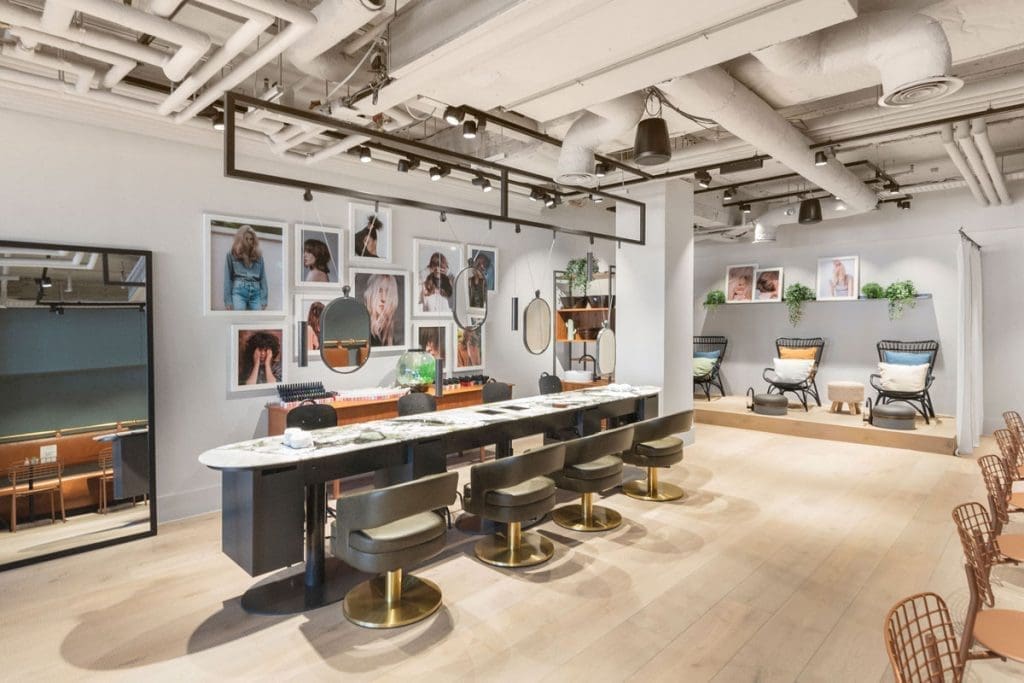
 In conclusion, optimizing commercial spaces is a vital component of designing for retail success. By carefully considering factors such as an inviting entrance, strategic product placement, thoughtful store layout, effective lighting and ambiance, technological integration, and customer comfort and convenience, retailers can create a shopping environment that entices customers, encourages engagement, and ultimately drives business growth. To ensure your commercial space is optimized for retail success, consider partnering with Ovon-D, a leading design consultancy specializing in creating innovative and customer-centric retail spaces. Take the first step towards transforming your retail environment by visiting their website at www.ovon-d.com and scheduling a consultation today. Don’t miss out on the opportunity to elevate your retail business and maximize your potential for success with Ovon-D.




 Attention to Detail: From Hardware to Accessories