
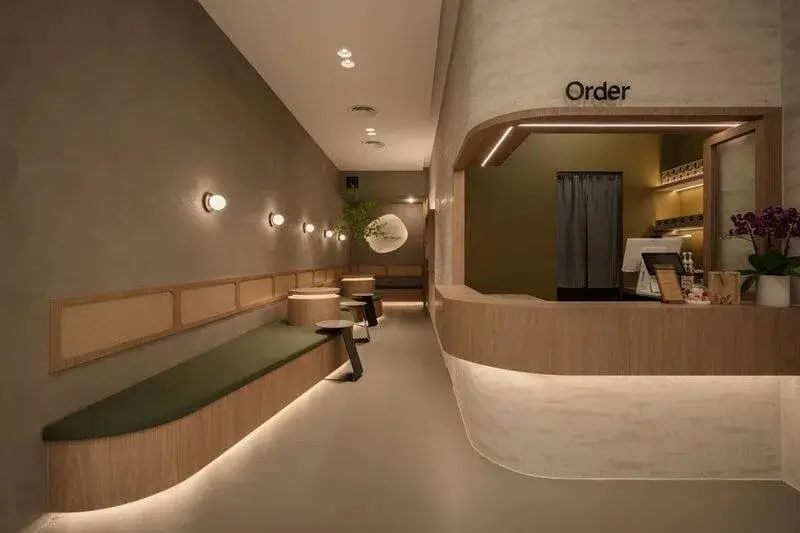
We see it all the time. A company invests in a great space, opens its door and then some months later, small frustrations emerge. The layout feels off. Staff move inefficiently. Customers hesitate in certain areas. These are not random issues. They usually trace back to early commercial interior design decisions that looked good on paper but did not fully consider real use.
In commercial interior design in Singapore, a space designed for a working business environment is worlds apart; it is where most problems lie. We work with clients to design spaces that fit operational realities, brand values, and long-term business success. You intend spaces with strength and the areas businesses need to develop, rather than being closed in a matchstick framework.
1. Treating Interior Design as Purely Visual
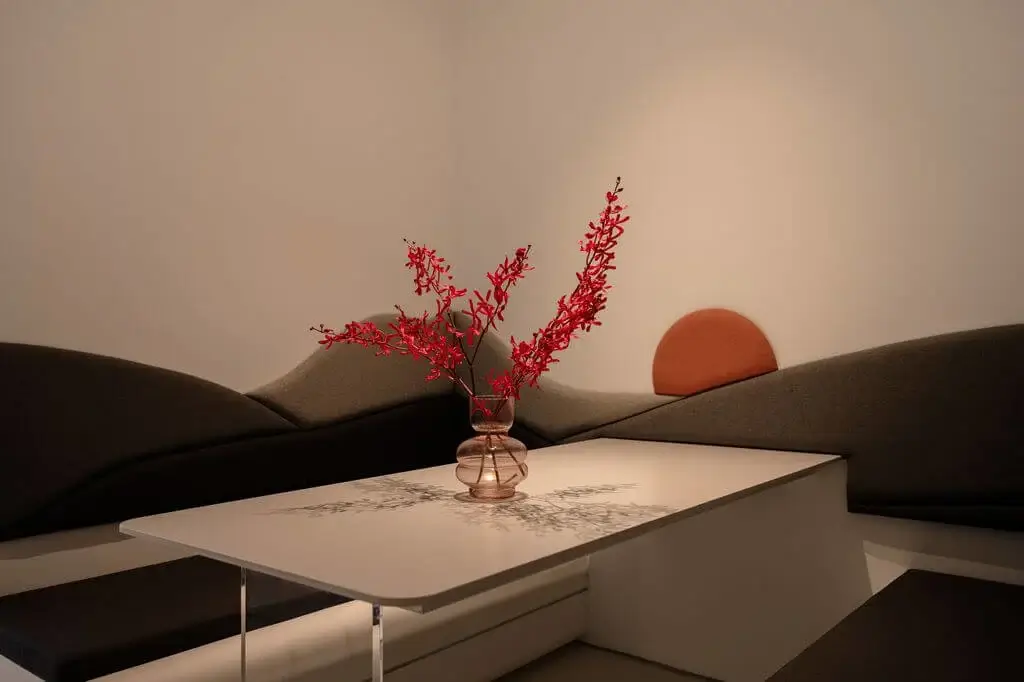
Most entrepreneurs think that interior design is simply about style. They are mostly concerned with finishes, colours and aesthetics. Output might seem clean, even artful; it is easy to mistake slickness for depth.
A professional commercial interior designer approaches design development differently. We consider how the business environment functions daily. Interior design expertise comes in when we connect visual direction with workflow, customer behaviour, and space planning.
If you treat corporate interior design as decoration, you miss the strategic layer. The right commercial interior design shapes how people interact with your business space.
2. Poor Customer Flow and Layout Planning
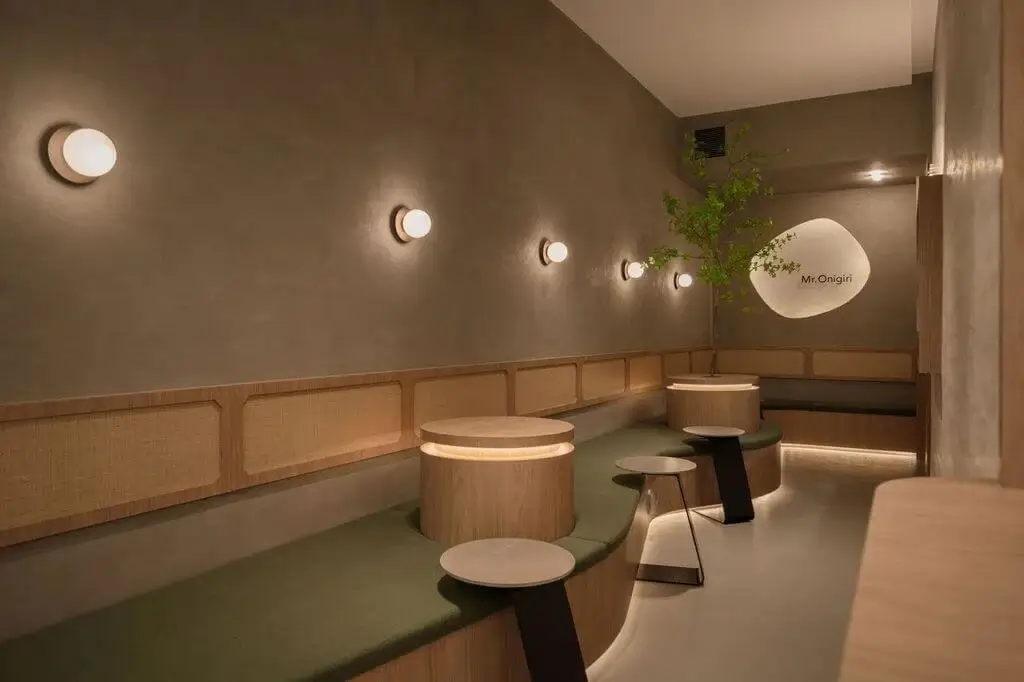
Customer flow is often overlooked in commercial interior design projects. You might have a strong concept, but if people do not move naturally through space, friction builds.
We always ask:
- * How does a customer enter?
- * Where do they pause?
- * What do they see first?
In retail interior design, flow affects customer experience directly. In a commercial office or showroom, it impacts perception and engagement. A well-designed office or retail space supports intuitive movement. A poorly planned layout disrupts it.
This is where space planning and interior design solutions play a critical role in commercial environments across Singapore.
3. Inefficient Use of Space
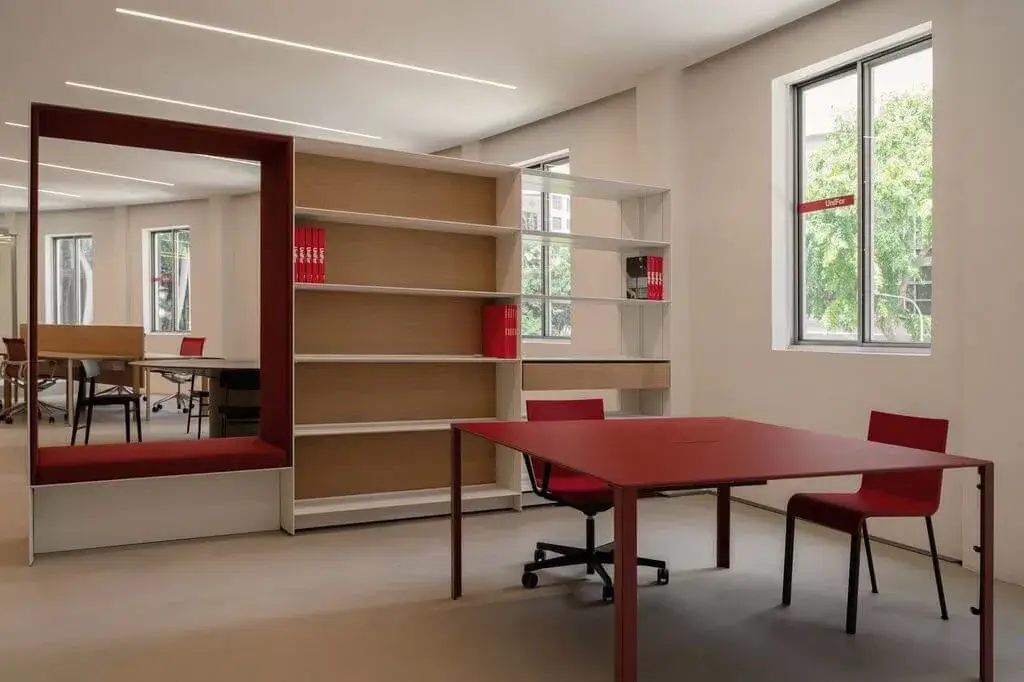
Space is expensive, especially in Singapore. Yet many commercial interiors fail to maximise it.
We often see oversized feature areas and underused zones. Or compact layouts that feel cramped due to poor planning. A commercial interior design company must balance spatial efficiency with comfort.
A smart interior design project ensures:
- * Each square metre supports business needs
- * Storage is integrated without clutter
- * The office layout aligns with the daily workflow
Inefficient space use affects productivity and business objectives. It is not just a layout issue. It becomes an operational problem.
4. Short-Term Material Choices
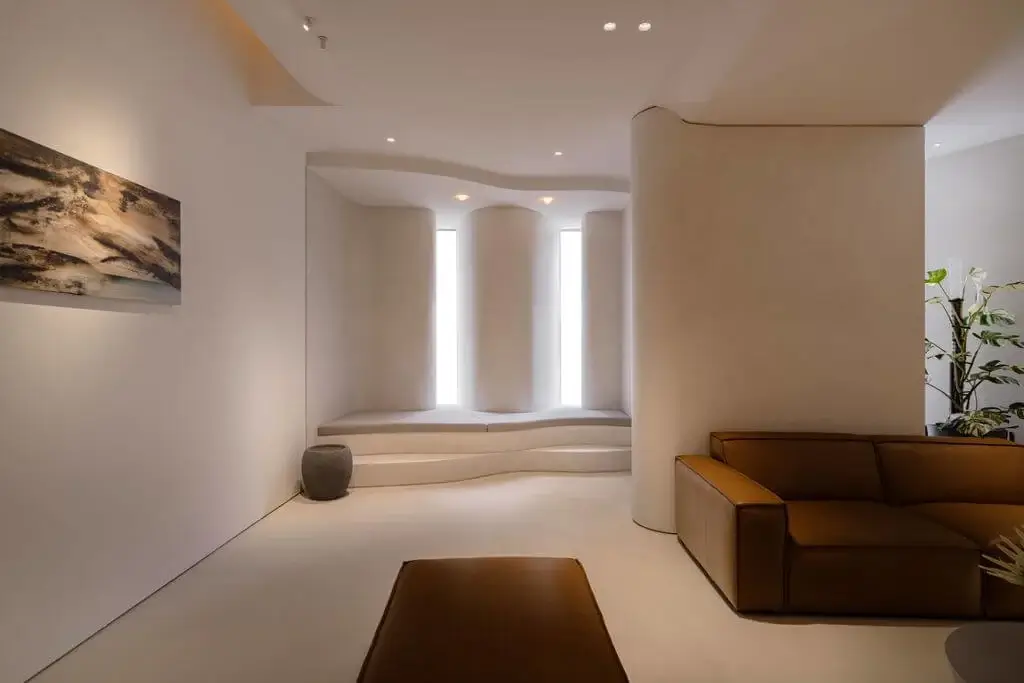
Material decisions are often driven by budget or visual appeal alone. This is risky. Some finishes look great at the start, but wear out quickly in high-traffic commercial space settings.
We guide clients to think long-term. In commercial interior design services, durability, maintenance, and costs need to be significant factors considered. A low-quality material which needs changing after a year will cost more than what one may pay for a high-grade material that will endure.
This applies across:
- * Retail interior surfaces
- * Office flooring
- * High-touch fixtures
A trusted commercial interior design approach always looks beyond the initial renovation cost.
5. Lighting as an Afterthought
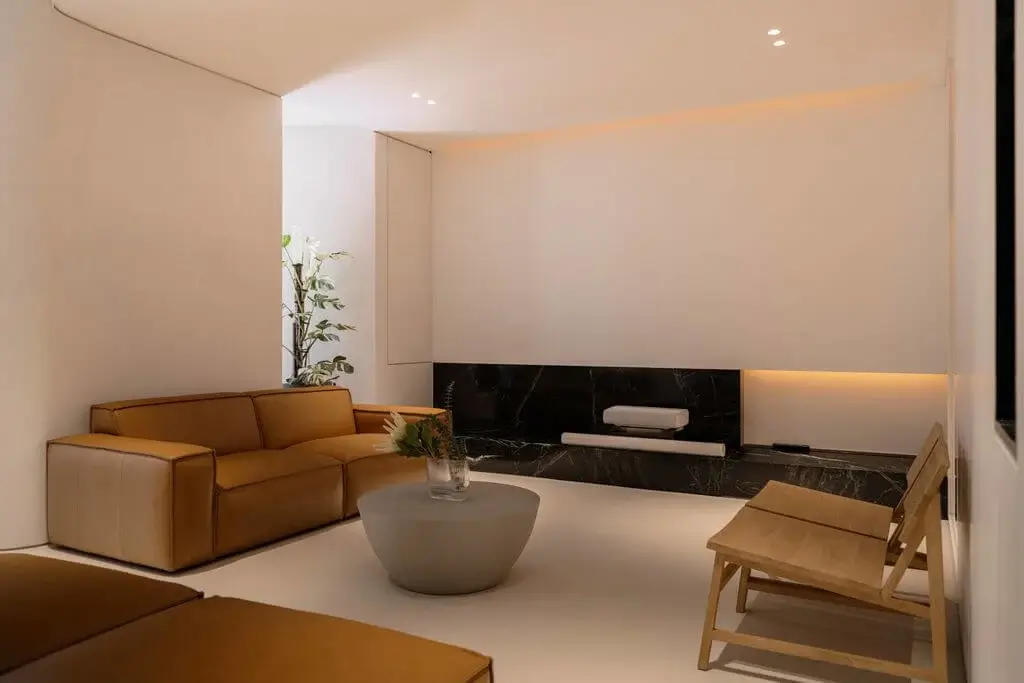
Lighting is the most overlooked aspect in interior design Singapore projects. Many treat it as a final step instead of a core design layer.
Lighting affects:
- * Mood and ambience
- * Staff focus and employee well-being
- * Product visibility in retail interior settings
Lighting should be included early in the design of a well-designed office. They support aesthetics and function. Making bad lighting choices is hard to remedy later—that’s particularly true following a construction.
6. Weak or Inconsistent Brand Expression
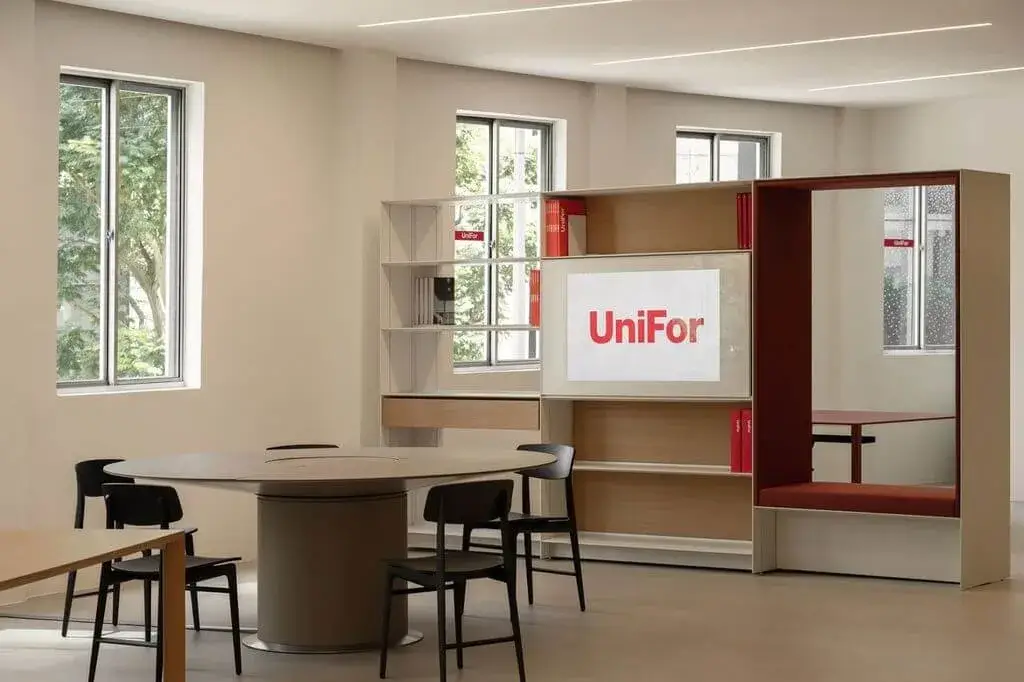
Your physical space reflects your brand identity. Yet many commercial interior design projects fail to align design with brand values.
You might have strong branding online, but your commercial office or retail space tells a different story. That disconnect confuses customers and weakens brand recall.
A leading commercial interior design company will help translate brand identity into interior spaces. This includes:
- * Material choices
- * Colour palettes
- * Spatial storytelling
Brand is not just graphics. It lives in the environment you create.
7. Neglecting Staff Workflow
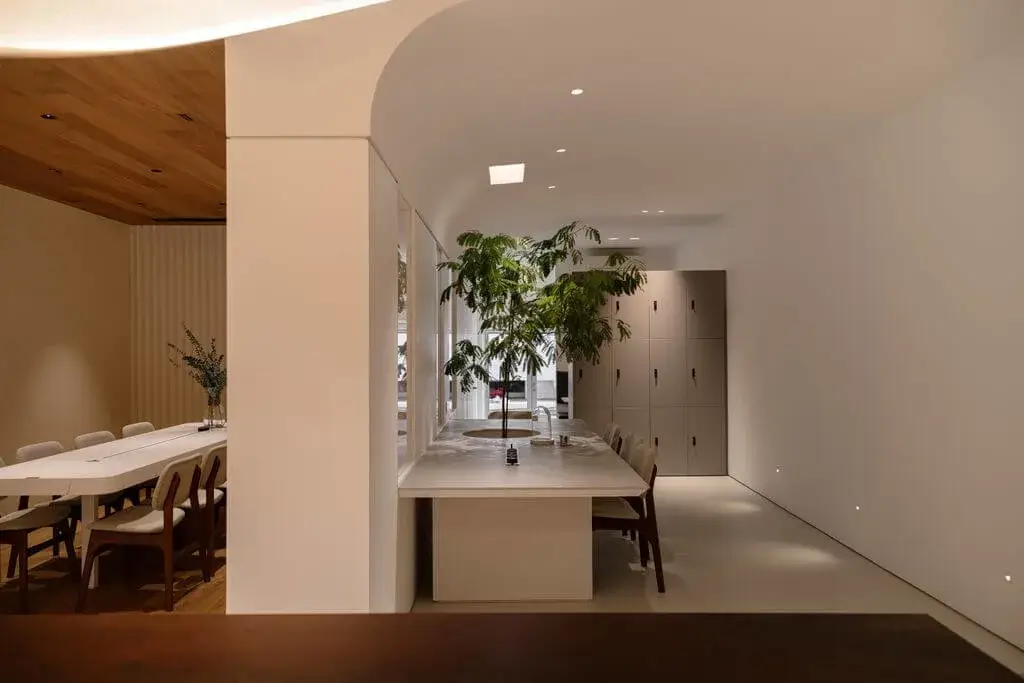
One of the biggest mistakes in commercial interior design is prioritising customer-facing areas and ignoring staff workflow.
We always consider:
- * How teams move within the workspace
- * Where bottlenecks occur
- * How departments interact
A workspace design that ignores staff efficiency leads to daily friction. This affects productivity and morale. Over time, it impacts business performance.
Interior design focuses should include both customer experience and internal operations. A successful commercial interior balances both.
8. Mismanaged Budget Priorities
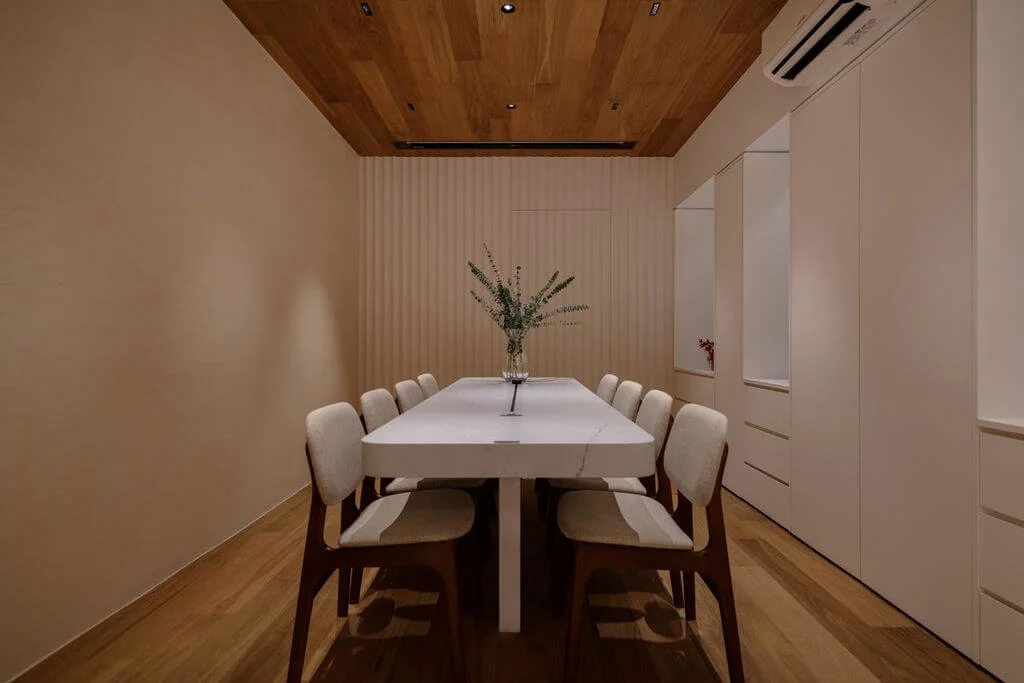
Budget issues rarely come from a lack of funds. They come from poor allocation.
We see money overspent on feature walls or décor, yet cut corners on service elements such as lighting or storage. A whole system way of thinking means spending in ways that support the business.
Key priorities should include:
- * Layout and space planning
- * Core construction quality
- * Functional systems
A renovation company or design company in Singapore should guide you through this. Without proper project management, budgets get distorted quickly.
9. Lack of Future-Proofing
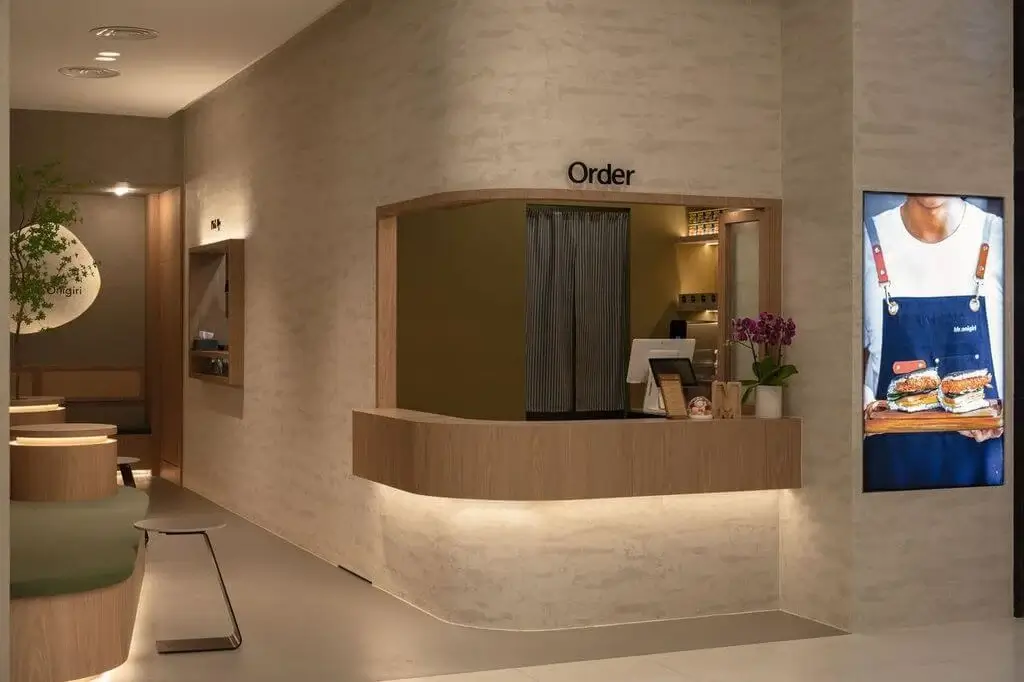
Many commercial interiors are designed only for current needs. That is a short-term mindset.
Businesses evolve. Teams grow. Services expand. A rigid space becomes a limitation. We make decisions with a flexible mindset. For future-proofing your office space, you require modular layouts, versatile areas and scalable solutions. This is especially beneficial in the context of office renovation and the commercial environment in Singapore.
A well-planned design and build approach ensures your space grows with you.
10. Late Involvement of Designers
One of the most common issues we encounter is late engagement. Businesses bring in an interior design firm after major decisions have already been made.
By then, layout constraints and structural decisions limit what can be done. Early collaboration allows for better outcomes.
An expert commercial interior design process should begin at the planning stage. This ensures alignment between:
- * Business needs
- * Design intent
- * Construction feasibility
Delaying designer involvement often leads to missed opportunities.
Frequently Asked Questions
We get these questions often, and they shape how we approach each design project:
What is the most common mistake business owners make when starting a commercial interior project?
Focusing on aesthetics first. They skip the strategy, which affects the entire design process.
Which issue tends to cause the biggest long-term problems after completion?
Layout inefficiency. It impacts workflow, customer experience, and daily operations.
How do you balance aesthetics with functionality in real projects?
We align interior designs with operational needs first, then layer aesthetics that support those decisions.
What should business owners prioritise first when planning their space?
Space planning and workflow. Everything else builds on that foundation.
How can good design directly impact business performance or customer experience?
A well-designed office or retail interior improves flow, increases engagement, and supports productivity.
At what stage should a business owner involve a commercial interior designer?
At the earliest planning stage. This allows for seamless integration of design and construction.
What are the early warning signs that a layout or concept will not work long-term?
Awkward circulation paths, unused zones, and forced furniture placement.
How do you approach designing for both customer experience and staff efficiency?
We map both journeys and ensure neither compromises the other.
What design decisions are the hardest to fix after the space is built?
Structural layout, lighting placement, and core workflow issues.
How do you help clients avoid overspending on non-essential elements?
We guide them through priorities and align every decision with business objectives.
Conclusion: Why Getting It Right Early Matters
Commercial interior design involves more than just conceiving an aesthetically pleasing space. You build it perfectly for how your business operates like clockwork every day. Not all bad choices surface in real time.
In Singapore, we partner with you to deliver commercial interior design projects that align with your targets, your brands, and how you operate.
Contact us if you are going to design your next business space, commercial office, or retail interior. Let us start creating something you can realistically implement.