
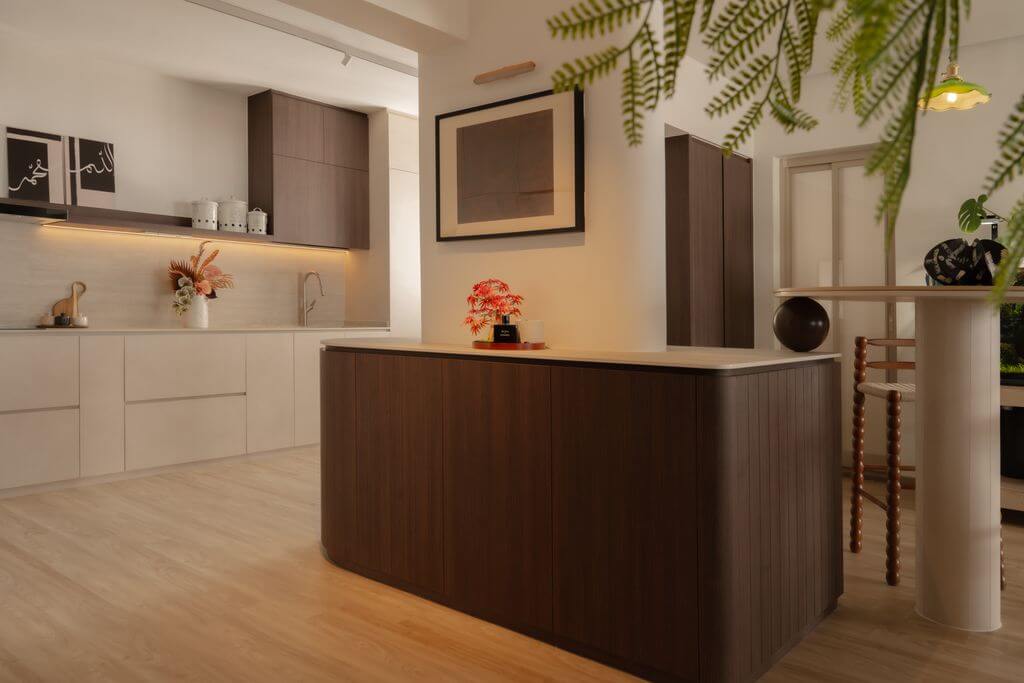
When we talk about HDB interior design, the reality in Singapore is very different from designing a landed house or a large condominium. Every HDB interior design project must comply with strict HDB regulations, follow HDB guidelines, and accommodate the practical limitations of a typical HDB flat. Many homeowners in Singapore come to us excited about renovation ideas they have saved online. We love that enthusiasm. Yet every HDB renovation project must translate those ideas into something realistic for a compact HDB environment.
At Ovon, our interior design services in Singapore focus on transparency. Instead of abstract design theory, we walk clients through the real interior design process. This article follows one real HDB interior design project, starting at the first meeting and ending at the final handover. If you are a BTO homeowner, a resale HDB buyer, or someone planning your dream home, this walkthrough helps you understand how a professional interior design company approaches HDB interior design in Singapore.
 Every HDB interior design project begins with a consultation. Before we propose a few layouts for the HDB unit, we ask questions that help us understand the homeowner and the future living space.
The first consultation usually focuses on three important questions:
At this stage, we present the final quotation for the renovation project. Transparency is important. Instead of presenting a lump sum, our interior design company provides a detailed breakdown.
The quotation includes:
Once the concept is approved, we move into 3D visualization. At this stage, we create detailed 3D renders of the space, allowing homeowners to see the design come to life. We also guide them in selecting materials, tiles, lighting, and furnishings before any renovation work begins.
After the 3D renders are confirmed, our team prepares the technical drawings that contractors rely on to bring the design to reality. These include:
Once approvals are completed, construction begins. This stage transforms the HDB interiors into the final home.
Every HDB interior design project begins with a consultation. Before we propose a few layouts for the HDB unit, we ask questions that help us understand the homeowner and the future living space.
The first consultation usually focuses on three important questions:
At this stage, we present the final quotation for the renovation project. Transparency is important. Instead of presenting a lump sum, our interior design company provides a detailed breakdown.
The quotation includes:
Once the concept is approved, we move into 3D visualization. At this stage, we create detailed 3D renders of the space, allowing homeowners to see the design come to life. We also guide them in selecting materials, tiles, lighting, and furnishings before any renovation work begins.
After the 3D renders are confirmed, our team prepares the technical drawings that contractors rely on to bring the design to reality. These include:
Once approvals are completed, construction begins. This stage transforms the HDB interiors into the final home.
Stage One: First Consultation – Understanding Lifestyle Before Layout
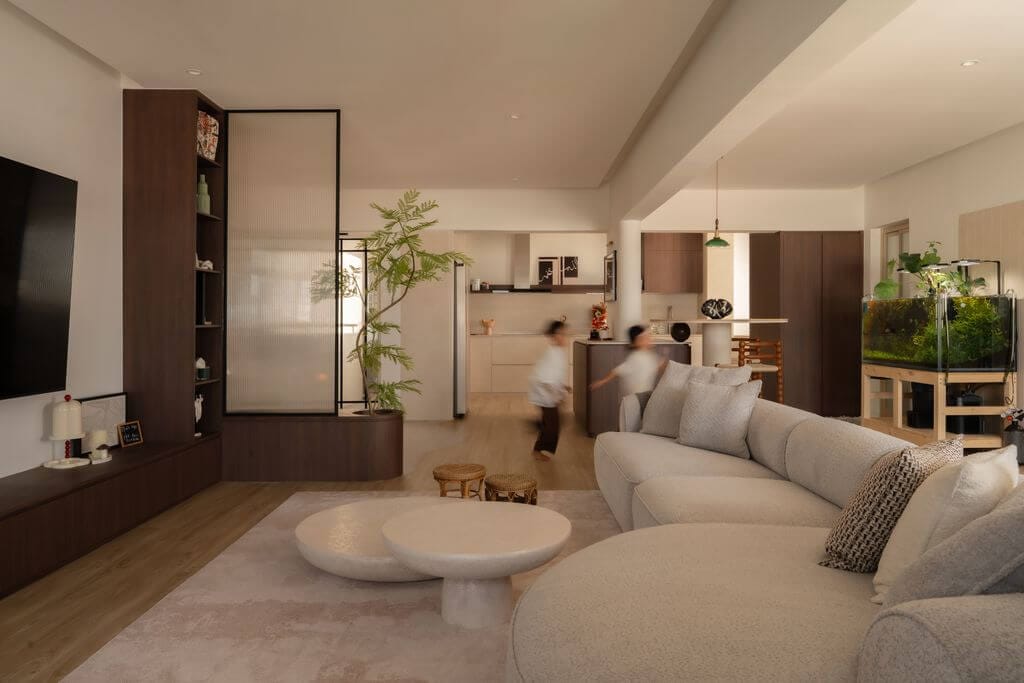 Every HDB interior design project begins with a consultation. Before we propose a few layouts for the HDB unit, we ask questions that help us understand the homeowner and the future living space.
The first consultation usually focuses on three important questions:
Every HDB interior design project begins with a consultation. Before we propose a few layouts for the HDB unit, we ask questions that help us understand the homeowner and the future living space.
The first consultation usually focuses on three important questions:
- – How long are you planning to stay in this HDB home?
- – Is the flat a bare BTO unit or an HDB resale flat with existing finishes?
- – What are your needs, wants, and lifestyle requirements for the home interior design?
Stage Two: Space Planning & Concept Development
Once we have a sense for the homeowner’s lifestyle, it’s time to dive deeper into the next phase of a design project: space planning and concept development. This phase establishes the functionality of the interior spaces. For example, in a specific HDB interior design project, the room type depicted was an HDB executive apartment. The homeowner wanted a cosy interior that incorporated elements of Scandinavian design but left room for daily living. Based on these considerations, our design team would proceed to create the layout in many iterations:- – optimise circulation inside the HDB living areas
- – create built-in storage to maximise space
- – introduce natural light through lighter materials
- – build a design concept that balances contemporary design with warmth
Stage Three: Budget Finalisation & Payment Terms
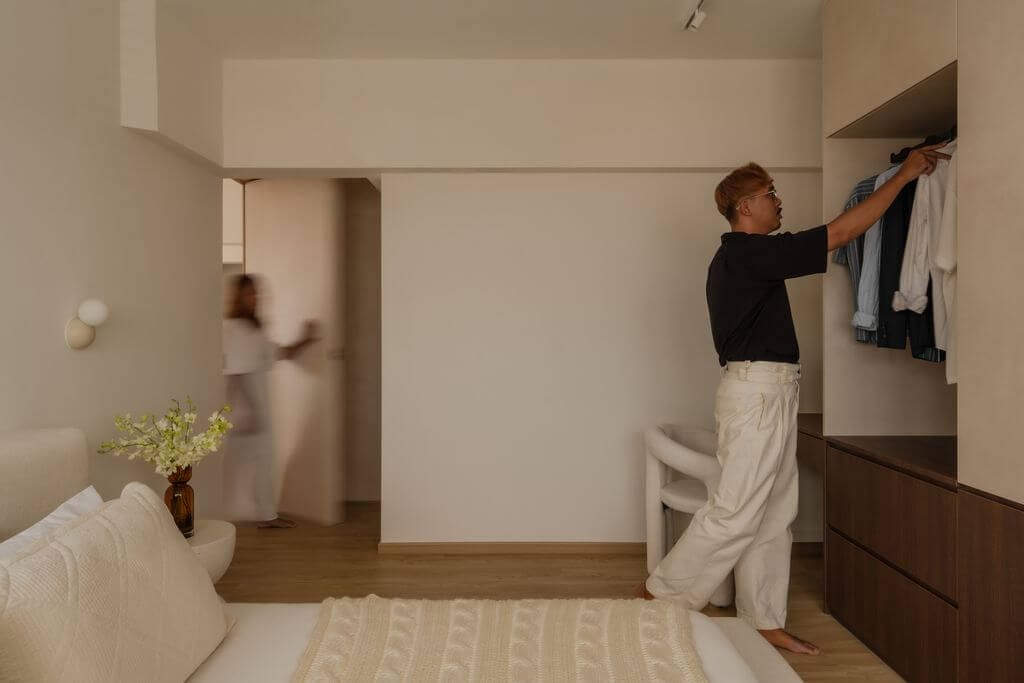 At this stage, we present the final quotation for the renovation project. Transparency is important. Instead of presenting a lump sum, our interior design company provides a detailed breakdown.
The quotation includes:
At this stage, we present the final quotation for the renovation project. Transparency is important. Instead of presenting a lump sum, our interior design company provides a detailed breakdown.
The quotation includes:
- – carpentry fabrication
- – electrical works
- – plumbing works
- – tiling and wet works
- – painting and finishing
Stage Four: 3D Visualisation & Technical Drawings
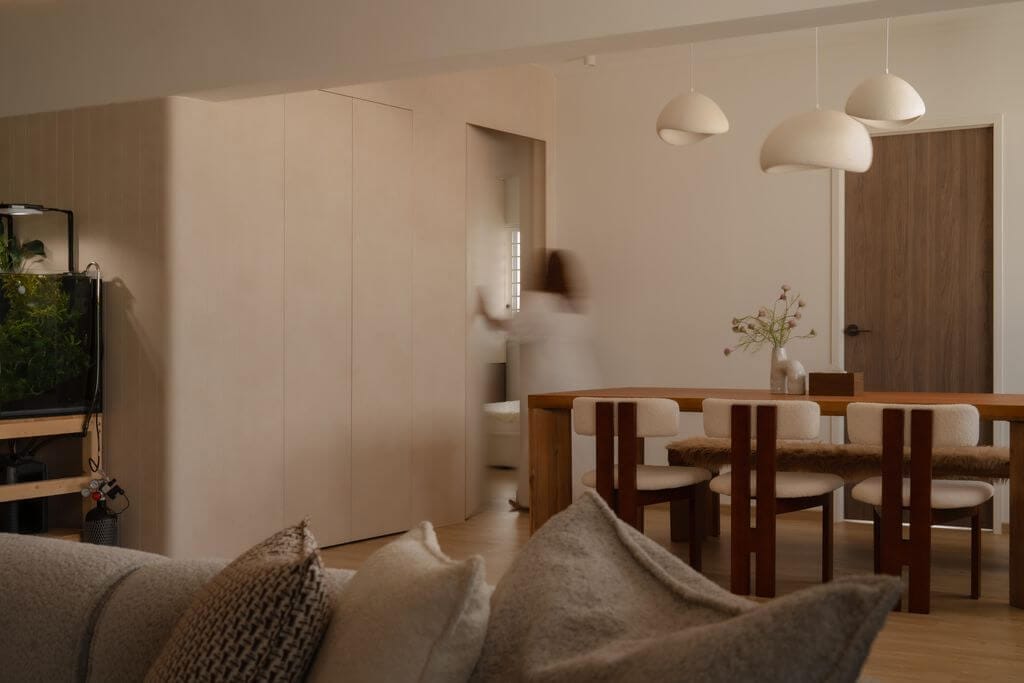 Once the concept is approved, we move into 3D visualization. At this stage, we create detailed 3D renders of the space, allowing homeowners to see the design come to life. We also guide them in selecting materials, tiles, lighting, and furnishings before any renovation work begins.
After the 3D renders are confirmed, our team prepares the technical drawings that contractors rely on to bring the design to reality. These include:
Once the concept is approved, we move into 3D visualization. At this stage, we create detailed 3D renders of the space, allowing homeowners to see the design come to life. We also guide them in selecting materials, tiles, lighting, and furnishings before any renovation work begins.
After the 3D renders are confirmed, our team prepares the technical drawings that contractors rely on to bring the design to reality. These include:
- – electrical planning and power point placement
- – lighting layouts to enhance the interior style
- – carpentry drawings for built-in cabinets
- – tile layout plans for bathrooms and kitchens
- – documentation required for HDB renovation project submission
Stage Five: Build Phase – From Demolition to Carpentry Installation
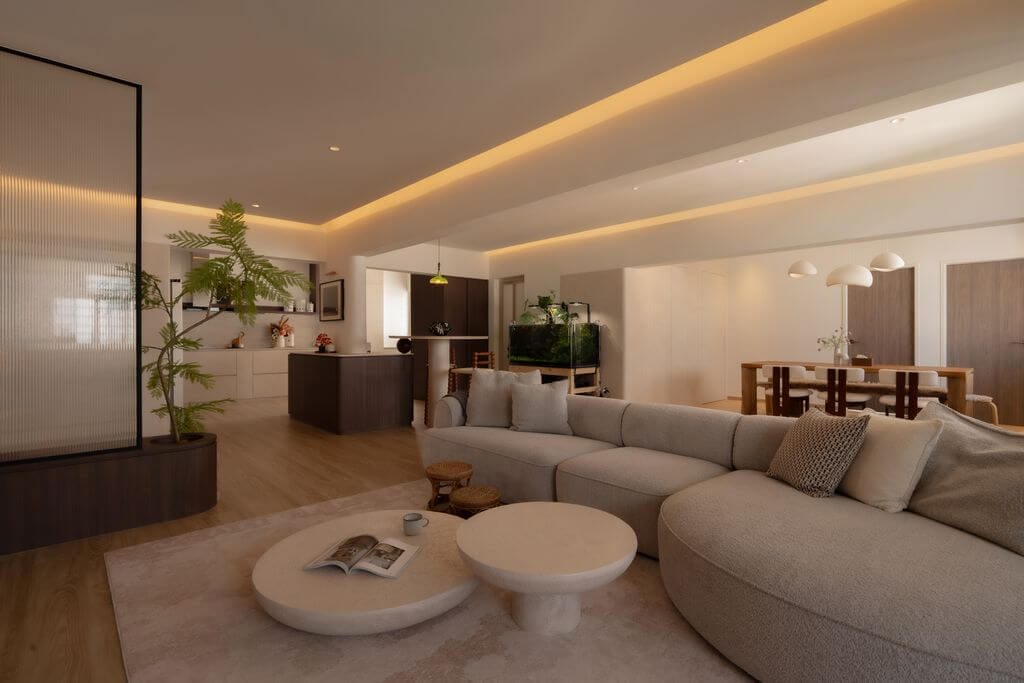 Once approvals are completed, construction begins. This stage transforms the HDB interiors into the final home.
Demolition & Hacking
If hacking is required, it follows strict HDB guidelines. Structural elements remain untouched.Plumbing & Electrical Works
Piping adjustments and electrical rewiring occur early in the build phase.Tiling & Wet Works
Bathrooms and kitchens receive waterproofing and tile installation.Carpentry Fabrication
Custom carpentry is fabricated off-site. Installation typically takes several weeks.Painting & Final Fixtures
Walls, cabinets, and final design features complete the interior design project. The site often looks messy mid-way through the renovation process. That is normal. Construction environments rarely resemble the final interior design style until the finishing stage.Stage Six: Site Supervision & Quality Checks
Throughout the renovation, our designers conduct regular site visits. Quality control ensures the design features align with the approved drawings. Site supervision involves:- – contractor coordination
- – design clarification
- – defect identification
- – rectification work


