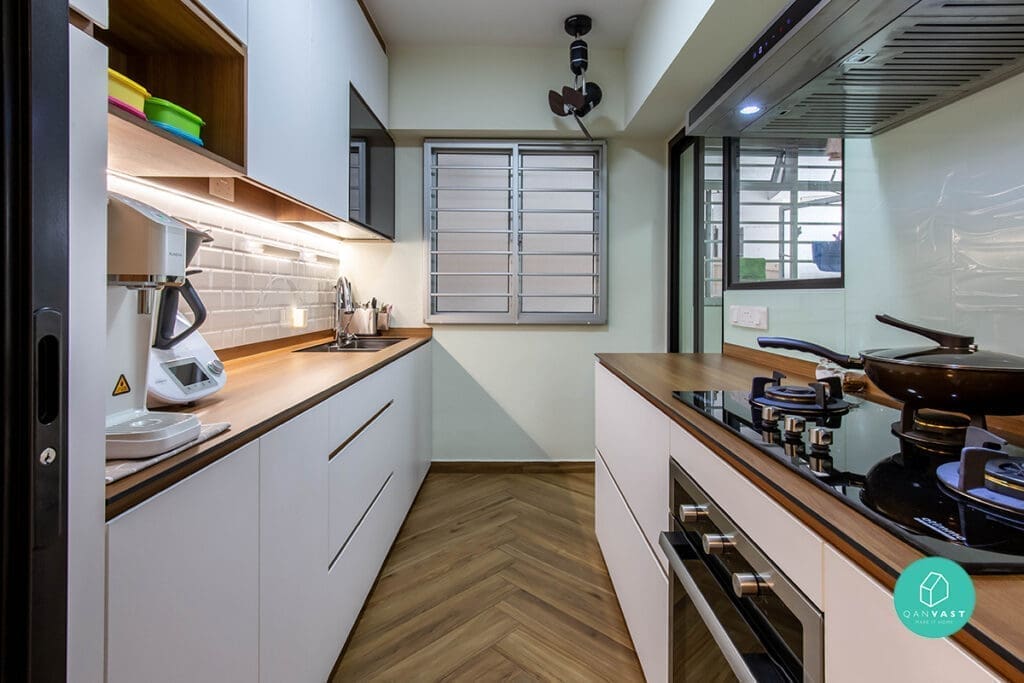
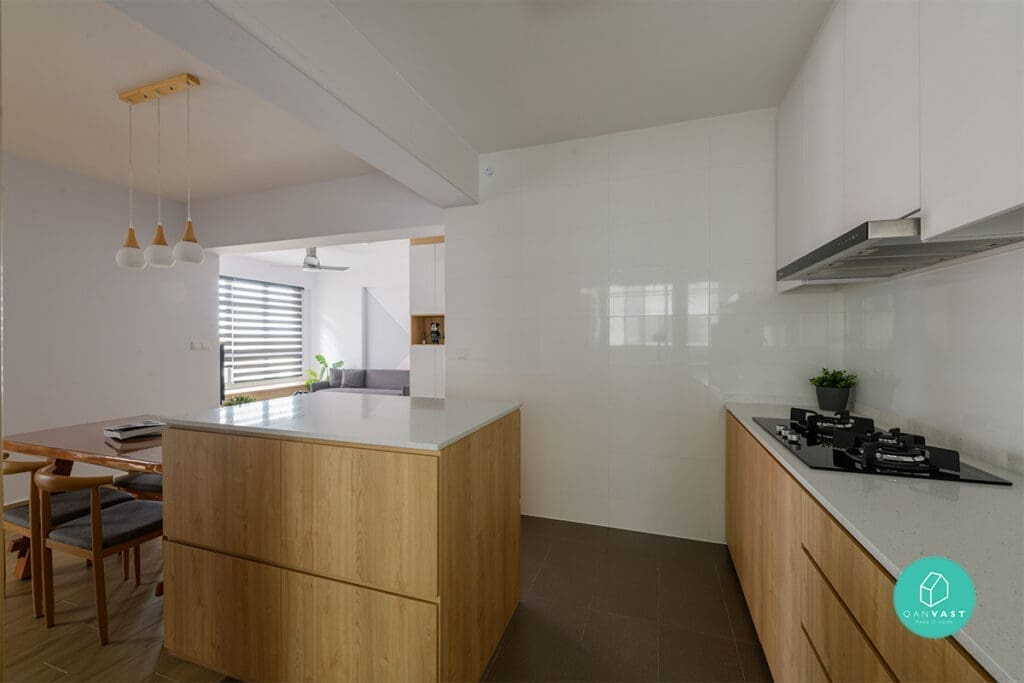
Are you looking for small condo renovation ideas or 2 bedroom condo interior design inspiration in Singapore? Look no further, because we’ve compiled a list of 15 luxurious condo renovation ideas that will transform your space into a modern and sophisticated oasis.
1) Statement Lighting
Installing statement lighting, such as chandeliers or pendant lights, can add a dramatic effect to your condo’s interior design. For a small condo, a statement lighting fixture can help create the illusion of more space by drawing the eye upward. In a 2 bedroom condo in Singapore, a statement light fixture can add a touch of elegance to the living room or bedroom.
2) Custom Built-Ins
Maximize storage and functionality with custom-built bookshelves, entertainment centers, or closets. In a small condo, custom built-ins can make the most of limited space, while in a 2 bedroom condo, built-ins can add a touch of luxury and sophistication.
3) Accent Walls
Add a pop of color or texture to a room with an accent wall. In a small condo, an accent wall can make a space feel more dynamic and visually interesting. In a 2 bedroom condo, an accent wall can add depth and personality to the master bedroom or living room.
4) High-Quality Flooring
Invest in high-quality flooring, such as hardwood or natural stone, to elevate your condo’s interior design. In a small condo, high-quality flooring can create the illusion of more space and make the area feel more expensive. In a 2 bedroom condo, high-quality flooring can enhance the overall elegance of the space.
5) Spa-Like Bathrooms
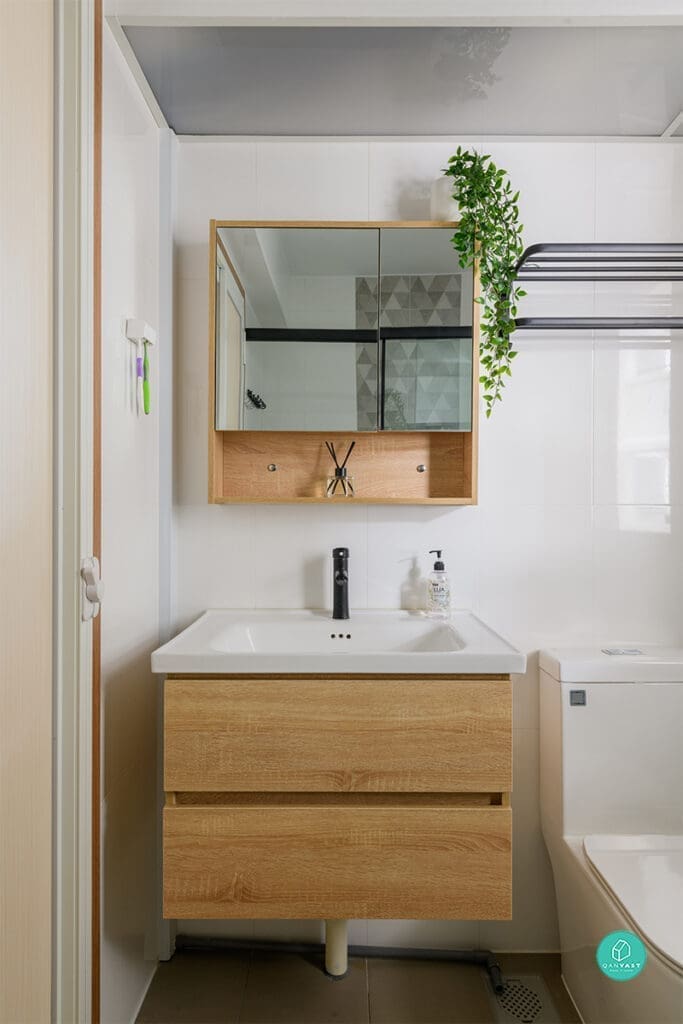
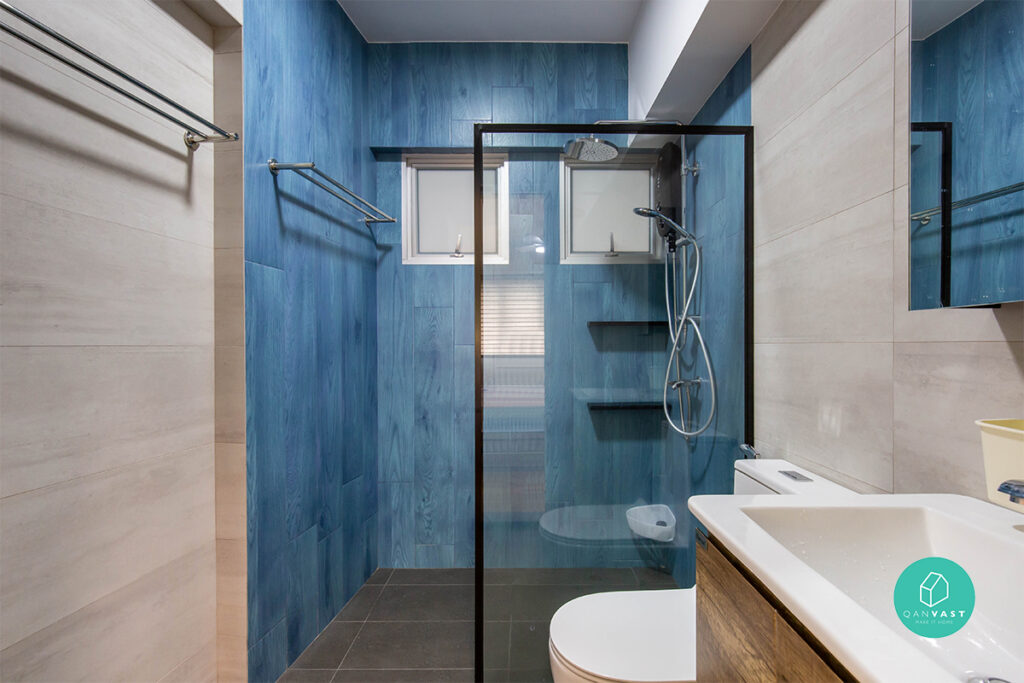
Incorporate luxurious amenities such as a rainfall showerhead or a soaking tub to create a spa-like atmosphere in your condo’s bathroom. In a small condo, a spa-like bathroom can create a relaxing oasis within a limited space. In a 2 bedroom condo, a spa-like bathroom can add a touch of elegance to the master bedroom.
6) Statement Artwork
Display statement artwork to add personality and style to a room. In a small condo, statement artwork can create visual interest and make a space feel more dynamic. In a 2 bedroom condo, statement artwork can add elegance and sophistication to the living room or master bedroom.
7) Smart Home Technology
Incorporate smart home technology, such as a smart thermostat or voice-controlled assistant, to make your condo feel more modern and sophisticated. In a small condo, smart home technology can make the most of limited space and enhance the overall functionality of the area. In a 2 bedroom condo, smart home technology can add convenience and luxury to everyday life.
8) Modern Fireplace
Install a sleek and modern fireplace as a focal point in the living room. In a small condo, a modern fireplace can create a cozy and inviting atmosphere in limited space. In a 2 bedroom condo, a modern fireplace can add a touch of luxury and sophistication to the living room.
9) Custom Millwork
Add custom millwork to create a unique and sophisticated look. In a small condo, custom millwork can maximize space and create a visually interesting design. In a 2 bedroom condo, custom millwork can add elegance and style to the living room or master bedroom.
10) Open Concept Design
Remove walls to create an open and spacious layout. In a small condo, an open concept design can create the illusion of more space and make the area feel more modern and sophisticated. In a 2 bedroom condo, an open concept design can enhance the overall elegance of the space.
11) High-End Appliances
Invest in high-end appliances, such as a wine fridge or built-in coffee machine, to add luxury to your condo’s interior design. In a small condo, high-end appliances can maximize functionality and make the most of limited space. In a 2 bedroom condo, high-end appliances can add convenience and sophistication to the kitchen and living spaces.
12) Natural Materials
Incorporate natural materials, such as wood, stone, or leather, into your condo’s interior design. In a small condo, natural materials can add warmth and texture to the space. In a 2 bedroom condo, natural materials can create a sense of luxury and sophistication.
13) Custom Window Treatments
Invest in custom window treatments, such as drapes or blinds, to add a touch of elegance and sophistication to your condo. In a small condo, custom window treatments can maximize space and make a room feel larger. In a 2-bedroom condo interior design Singapore, custom window treatments can enhance the overall style and design of the space.
14) Statement Furniture
Incorporate statement furniture pieces, such as a bold sofa or unique accent chair, to add personality and style to your condo’s interior design. In a small condo, statement furniture can create visual interest and make the space feel more dynamic. In a 2 bedroom condo, statement furniture can add elegance and sophistication to the living spaces.
15) Minimalism
Adopt a minimalist approach to your condo’s interior design to create a clean and sophisticated look. In a small condo, minimalism can maximize space and make the area feel more open and spacious. In a 2 bedroom condo, minimalism can enhance the overall elegance and sophistication of the space.
Why Luxurious Design is the Perfect Fit for Your Interior Design Style
Adds Value to Your Property Luxurious interior design can add value to your property and make it more attractive to potential buyers.
Enhances Comfort and Functionality Luxurious interior design can enhance the comfort and functionality of your living spaces, making your daily life more enjoyable.
Makes a Statement Luxurious interior design makes a statement and shows off your personal style and taste.
Elevates Mood and Energy Luxurious interior design can elevate your mood and energy, creating a more positive and enjoyable living experience.
Creates a Sense of Pride Luxurious interior design can create a sense of pride and accomplishment in homeowners, making them feel happy and content in their living spaces.
FAQs
How can I make my small condo feel more spacious? You can make your small condo feel more spacious by using light colors, maximizing natural light, using statement lighting fixtures, and incorporating multi-functional furniture.
How can I incorporate luxury into my 2-bedroom condo’s interior design? You can incorporate luxury into your 2 bedroom condo’s interior design by investing in high-quality materials and appliances, incorporating statement pieces, and using custom-built elements.
How can I create a cohesive design in my condo? You can create a cohesive design in your condo by choosing a color scheme and sticking to it, incorporating similar design elements throughout the space, and using furniture and decor that complement each other.
How can I maximize storage in my small condo? You can maximize storage in your small condo by using custom built-ins, incorporating multi-functional furniture, and utilizing vertical space.
How can I make my condo feel more modern and sophisticated? You can make your condo feel more modern and sophisticated by incorporating smart home technology, using statement lighting and artwork, and choosing high-quality materials and appliances.
In a 2-bedroom luxurious condo, high-quality materials and appliances can add a touch of sophistication and luxury to your living spaces. Consider investing in custom-built elements, such as a built-in entertainment centre or a custom kitchen island, to enhance the overall design and functionality of the space. Incorporate statement furniture pieces and artwork to add personality and style to the space, and consider using natural materials to create a sense of warmth and texture.The luxurious design is the perfect fit for your interior design style variousy of reasons. Not only does it add value to your property and enhance the comfort and functionality of your living spaces, it also makes a statement and shows off your style and taste. A luxurious interior design can elevate your mood and energy, creating a more positive and enjoyable living experience, and it can create a sense of pride and accomplishment in homeowners, making them feel happy and content in their living spaces.
Take your condo to the next level with Ovon-D’s luxury design
Hassle-free E-WARRANTY.Ovon-D offers an easy and hassle-free E-WARRANTY program to give you the confidence you need to make that final investment decision. It is because we are a company whose mission is to provide excellence and quality service for OUR BELOVED customers worldwide, as well as being a reliable, honest, professional, and trustworthy company. Click here to learn more about our service or visit our showroom at 53 Joo Chiat Place Singapore 427777 or 534 Balestier Road Singapore 329860.
Home renovation is an essential aspect of homeownership. It allows homeowners to personalize their living spaces, improve functionality, and enhance their home’s value. HDB renovation in Singapore is a common practice, as most residents of the city-state reside in public housing. In this article, we will provide cost-saving tips and design ideas for HDB renovation projects in Singapore.
Cost-Saving Tips for HDB Renovation in Singapore
HDB renovation can be a costly undertaking, but there are ways to save money without compromising quality. Here are ten cost-saving tips for your HDB renovation project:
#Tip 1
Plan your budget and stick to it Before embarking on any renovation project, it is important to determine your budget. Plan your budget and allocate the funds accordingly. Stick to your budget throughout the renovation process to avoid overspending. Keyword: home renovation package.
#Tip 2
Compare prices of materials and services When purchasing materials or hiring services, it is essential to compare prices from different suppliers or vendors. Look for affordable and quality products that fit your budget. Keyword: renovation tips Singapore.
#Tip 3
Use energy-efficient appliances and fixtures Using energy-efficient appliances and fixtures can significantly reduce your energy bills. Look for appliances with high energy star ratings, and use LED lights instead of traditional bulbs. Keyword: how to save on renovation costs Singapore.
#Tip 4
Consider DIY or partial DIY renovation DIY or partial DIY renovation can save you a lot of money on labor costs. However, it is important to know your limits and seek professional help when necessary. Keyword: HDB renovation tips.
#Tip 5
Reuse and repurpose existing furniture and fixtures Instead of buying new furniture and fixtures, consider repurposing or refurbishing existing ones. This can save you money and add a unique touch to your home’s design. Keyword: renovation interior design.
#Tip 6
Prioritize essential renovation works Prioritize essential renovation works such as plumbing and electrical works. These works should be done correctly and safely to prevent costly repairs in the future. Keyword: HDB renovation Singapore.
Tip 7
Opt for simpler designs and layouts Simpler designs and layouts can be just as stylish as more intricate ones. Opt for simple and functional designs that fit your budget. Keyword: renovation tips Singapore.
#Tip 8
Choose affordable flooring and wall finishes Flooring and wall finishes can be expensive. Choose affordable finishes such as vinyl or laminates instead of tiles or natural stone. Keyword: how to save on renovation costs Singapore.
#Tip 9
Shop during off-season or sale periods Shopping during off-season or sale periods can save you a lot of money on materials and appliances. Look out for promotions and discounts from suppliers and vendors. Keyword: HDB renovation Singapore.
#Tip 10
Work with an experienced and reliable contractor Working with an experienced and reliable contractor can save you time, money, and headaches. Look for contractors with good track records and positive reviews from previous clients.
One way to save on renovation costs is to choose a home renovation package that includes the essentials, such as flooring, painting, and electrical works. By using keywords like “home renovation package” or “HDB renovation Singapore,” you can search for affordable packages that suit your budget and preferences.
2) Compare Prices
To get the best deals, compare prices of materials and services. Don’t hesitate to negotiate with suppliers or contractors to get a better price. You can also use keywords like “renovation tips Singapore” or “how to save on renovation costs Singapore” to search for tips on how to compare prices.
3) Use Energy-Efficient Fixtures and Appliances
Using energy-efficient appliances and fixtures not only saves money on electricity bills, but it’s also environmentally friendly. Look for appliances with the Energy Star label or fixtures with LED bulbs. By doing so, you’ll save money in the long run.
4) DIY Renovation Work
If you’re on a tight budget, consider doing some of the renovation work yourself. You can search for DIY home renovation tutorials on YouTube or Pinterest by using keywords like “HDB renovation tips” or “how to save on renovation costs Singapore.” However, make sure you have the necessary skills and knowledge before attempting any DIY work.
5) Repurpose Existing Furniture
Reusing and repurposing existing furniture and fixtures is a great way to save money on renovation costs. Look for creative ways to transform old items into something new and stylish. For example, you can turn an old door into a unique headboard or use a ladder as a bookshelf.
6) Use Affordable Materials
High-end materials can be expensive, so consider using affordable alternatives that look similar. For example, laminate flooring can look just as good as hardwood flooring at a fraction of the cost. You can search for affordable materials on the internet by using keywords like “renovation interior design” or “HDB renovation Singapore.”
7) Keep the Layout
Changing the layout of your HDB flat can be expensive, as it requires moving walls and electrical wiring. To save on costs, try to keep the layout as is and focus on cosmetic changes instead. By doing so, you can still give your home a fresh new look without breaking the bank.
8) Repaint Walls
Repainting the walls is a quick and inexpensive way to give your home a fresh new look. You can choose a color that complements your furniture and decor. By using keywords like “renovation interior design,” you can search for inspiration on colors that suit your style.
9) Add Mirrors
Mirrors can make a room appear larger and brighter. They reflect light and create an illusion of more space. By strategically placing mirrors in your home, you can make it look more spacious and stylish without spending a lot of money.
10) Keep it Simple:
Finally, keeping it simple is key to saving on renovation costs. Don’t overspend on unnecessary items or go for overly complicated designs. By sticking to a simple and practical design, you can save money and still achieve a stylish and comfortable home.
FAQ on HDB Renovation Cost-Saving Tips and Design Ideas
FAQ 1: How much does it cost to renovate an HDB flat in Singapore?
The cost of HDB renovation in Singapore can vary widely depending on the scale and scope of the project. On average, a basic HDB renovation can cost between $20,000 to $50,000, while a more extensive renovation can cost upwards of $100,000. Factors that can affect the cost of renovation include the size of the flat, the type of materials used, the complexity of the design, and the extent of the work required.
FAQ 2: Can I renovate my HDB flat without engaging a contractor?
It is possible to carry out minor renovation works in your HDB flat without engaging a contractor. However, if you are planning a major renovation or structural changes, it is recommended that you engage a professional contractor who is registered with the Housing & Development Board (HDB). This ensures that the renovation work is carried out safely and in compliance with HDB regulations.
FAQ 3: How can I ensure that my HDB renovation project stays within budget?
To ensure that your HDB renovation project stays within budget, it is important to plan your renovation carefully and stick to your budget. You should also compare prices of materials and services, reuse and repurpose existing furniture and fixtures, and prioritize essential renovation works. Additionally, you should work with an experienced and reliable contractor who can provide you with a detailed cost breakdown and help you manage your renovation expenses.
FAQ 4: What are some common mistakes to avoid during HDB renovation?
Some common mistakes to avoid during HDB renovation include not setting a realistic budget, not planning the renovation properly, rushing the renovation process, not checking the credentials of your contractor, and not communicating clearly with your contractor. To avoid these mistakes, it is important to do your research, plan your renovation carefully, and work with a reputable contractor.
FAQ 5: How long does it usually take to complete an HDB renovation project?
The duration of an HDB renovation project can vary depending on the scope of the work and the complexity of the design. A minor renovation can take as little as a few weeks, while a major renovation can take several months to complete. It is important to discuss the timeline with your contractor and set realistic expectations for the duration of the project.HDB renovation can be an exciting and rewarding process, but it is important to plan carefully and manage your expenses wisely. By following the cost-saving tips and design ideas outlined in this article, you can create a beautiful and functional living space without breaking the bank.Remember to set a realistic budget, compare prices of materials and services, reuse and repurpose existing furniture and fixtures, prioritize essential renovation works, and work with an experienced and reliable contractor. With these tips in mind, you can transform your HDB flat into a dream home that you and your family will love for years to come.
Need a budget-friendly renovation? Ovon-D has got you covered!
Hassle-free E-WARRANTY.Ovon-D offers an easy and hassle-free E-WARRANTY program to give you the confidence you need to make that final investment decision. It is because we are a company whose mission is to provide excellence and quality service for OUR BELOVED customers worldwide, as well as being a reliable, honest, professional, and trustworthy company. Click here to learn more about our service or visit our showroom at 53 Joo Chiat Place Singapore 427777 or 534 Balestier Road Singapore 329860.
Renovating your bedroom can be an important investment in your well-being and quality of life. The bedroom is where we spend a significant amount of our time, and it’s crucial that it is a space that promotes relaxation and rest. A well-designed bedroom can create a calming atmosphere, improve sleep quality, and reduce stress levels. Renovating your bedroom can also help you create a personalized and inviting space that reflects your style and personality, which can be incredibly satisfying and enjoyable.By following these tips and incorporating the DIY makeover ideas presented in the article, you can create a cohesive and stunning bedroom that promotes relaxation, improves sleep quality, and reflects your style and personality.
Statement Walls: Make a Statement with Your Walls
One of the easiest ways to transform your bedroom is by creating a statement wall. A statement wall is an accent wall that is designed to draw attention and add personality to your space. You can achieve this look with a variety of materials, including wallpaper, accent paint, or even a custom mural. Choose a design that speaks to your personality and style and make your walls the focal point of your room.
Functional Furniture: Mix Style with Functionality
When it comes to furniture, it’s essential to choose pieces that serve both form and function. Consider investing in a storage bed to maximize space in a small bedroom or a vanity table with built-in lighting to enhance your morning routine. By choosing multifunctional furniture, you’ll be able to optimize your space while keeping your style game on point.
Lighting Design: Set the Mood with Lighting
Lighting can make all the difference when it comes to creating a relaxing and inviting bedroom. Add layers of lighting to your space with a combination of ceiling lights, bedside lamps, and even fairy lights. Consider installing dimmer switches to adjust the brightness of your lights to match your mood.
Textures and Patterns: Add Depth and Interest
Mixing and matching textures and patterns is an excellent way to add depth and interest to your bedroom’s design. Consider adding a shaggy rug or textured wallpaper to create a cozy and welcoming vibe. Don’t be afraid to mix and match different patterns to add character to your space.
Greenery and Natural Elements: Bring Nature Indoors
Bringing nature indoors is an excellent way to improve air quality, reduce stress, and add visual interest to your bedroom. Incorporate plants, potted herbs, or a rustic wooden headboard to create a calming and serene space.
8 Tips to Create a Stunning DIY Bedroom Makeover
1) Choose a color palette that reflects your style and personality
Choosing the right color palette for your bedroom is important, as it can set the tone for the entire space. Consider the mood you want to create in your bedroom and choose colors accordingly. Soft pastels create a calming atmosphere, while bold colors add energy and vibrancy. You can also opt for a monochromatic color scheme, using different shades of the same color for a cohesive and sophisticated look. Whatever color palette you choose, make sure it reflects your personal style and personality.
2) Focus on creating a focal point that draws the eye into the room
A focal point is a design element that catches the eye and draws attention to a particular area of the room. It can be a piece of art, a statement wall, or a standout piece of furniture. By creating a focal point, you add visual interest to your bedroom and make it feel more dynamic. Choose a focal point that complements the overall design of your bedroom and reflects your personal style.
3) Optimize natural light by keeping windows free of heavy curtains or blinds
Natural light can make a space feel brighter, bigger, and more inviting. To maximize the natural light in your bedroom, keep your windows free of heavy curtains or blinds. Instead, opt for sheer or lightweight curtains that allow plenty of natural light to filter into the room. You can also position your bed near a window to enjoy the views and natural light.
4) Mix and match textures to add depth and interest to your design
Textures can add depth and interest to your bedroom’s design. Mixing and matching textures can create a cozy and inviting atmosphere. Consider using different textures for your bedding, curtains, rugs, and decorative pillows. For example, you can pair a fluffy faux-fur rug with a smooth satin comforter for a luxurious and tactile feel.
5) Add layers of lighting with a combination of ceiling lights, bedside lamps, and fairy lights
Lighting is a key element in creating the mood and atmosphere of your bedroom. Adding layers of lighting can create a cozy and inviting space. Consider using a combination of ceiling lights, bedside lamps, and fairy lights to create a warm and relaxing ambiance. You can also install dimmer switches to control the brightness of your lighting and create different moods.
6) Invest in quality bedding to create a cozy and inviting space
Investing in quality bedding can make a big difference in the comfort and overall aesthetic of your bedroom. Opt for high-quality sheets, duvet covers, and comforters that feel soft and comfortable to the touch. You can also layer your bedding with decorative pillows and throws for a cozy and inviting look.
7) Keep clutter at bay by maximizing storage and minimizing unnecessary items
A cluttered bedroom can be stressful and overwhelming. To keep clutter at bay, maximize storage and minimize unnecessary items. Consider investing in storage solutions such as under-bed storage boxes, built-in closet organizers, and floating shelves. Also, avoid overcrowding your bedroom with too many decorative items that can make it feel cluttered and chaotic.8) Incorporate personal touches, such as family photos or sentimental items, to make your space feel uniquely yoursIncorporating personal touches in your bedroom can make it feel uniquely yours. Displaying family photos, art, or sentimental items can add personality and warmth to your space. Consider incorporating items that have special meaning to you, such as a favorite piece of artwork or a family heirloom. These personal touches can make your bedroom feel like a sanctuary that reflects your personality and style.
FAQ on DIY Bedroom Makeovers
1) How much does a DIY bedroom makeover cost?
The cost of a DIY bedroom makeover varies depending on the scope of the project and the materials you choose. However, you can achieve a stunning transformation with a budget of $500 or less.
2) How long does a DIY bedroom makeover take?
The length of time it takes to complete a DIY bedroom makeover depends on the scope of the project and your skill level. However, with proper planning and execution, you can complete a bedroom renovation in a weekend or less.
3) What are some popular DIY bedroom styles?
Some popular DIY bedroom styles include Bohemian, Industrial, Rustic, and Modern.
4) How can I make a small bedroom look bigger?
Maximizing natural light, choosing light and neutral colors, and investing in multifunctional furniture are all great ways to make a small bedroom look and feel larger.
5) Can I still incorporate my existing furniture into a DIY bedroom makeover?
Absolutely! Incorporating your existing furniture into your bedroom renovation can help you save money and add a personal touch to your space. Consider giving your furniture a fresh coat of paint or reupholstering to update its look.A DIY bedroom makeover can be an exciting and rewarding project that can transform your space into a stunning retreat. You can create a personalized and inviting bedroom that reflects your style and personality by incorporating statement walls, functional furniture, lighting design, textures and patterns, and greenery and natural elements. Remember to follow our eight tips for a cohesive and stunning design and incorporate your existing furniture and personal touches to make your space uniquely yours.
Make your dream bedroom a reality with Ovon-D’s renovation expertise
Hassle-free E-WARRANTY.Ovon-D offers an easy and hassle-free E-WARRANTY program to give you the confidence you need to make that final investment decision. It is because we are a company whose mission is to provide excellence and quality service for OUR BELOVED customers worldwide, as well as being a reliable, honest, professional, and trustworthy company. Click here to learn more about our service or visit our showroom at 53 Joo Chiat Place Singapore 427777 or 534 Balestier Road Singapore 329860.
Sustainable design is an approach to designing products, buildings, and systems that takes into consideration the environmental, social, and economic impacts, with the goal of creating a more sustainable and regenerative future. Sustainable design focuses on minimizing negative impacts on the environment, preserving natural resources, promoting social equity, and ensuring economic viability. In this article, we will explore the key principles of sustainable design, examples of sustainable design practices, challenges, and solutions.Sustainable design, also known as green design or eco-design, is an innovative approach that integrates environmental considerations into the design process. It aims to create products, buildings, and systems that are not only functional and aesthetically pleasing but also environmentally responsible and socially equitable.
Importance of Sustainable Design
Sustainable design is becoming increasingly important in today’s world due to the growing awareness of the negative impacts of human activities on the environment and society. It is essential to address these issues and adopt sustainable design practices to mitigate these impacts and create a better future for generations to come.
Environmental and Social Impact
The conventional design practices often result in negative environmental impacts such as resource depletion, pollution, and habitat destruction. For example, the production of energy-intensive materials like concrete and steel used in construction contributes to carbon emissions and climate change. In addition, poor waste management and pollution from manufacturing processes can harm local ecosystems and communities.Furthermore, social inequity is also a concern in conventional design practices. Disadvantaged communities often bear the brunt of environmental and social impacts, such as exposure to pollution, lack of access to resources, and inadequate infrastructure.Sustainable design aims to minimize these negative impacts by adopting strategies that promote environmental conservation, social equity, and economic viability.
Key Principles of Sustainable Design
There are several key principles of sustainable design that guide the development of products, buildings, and systems. These principles ensure that the design is environmentally responsible, socially equitable, and economically viable.
Energy Efficiency
Energy efficiency is a fundamental principle of sustainable design. It focuses on reducing energy consumption and promoting the use of renewable energy sources. This can be achieved through various strategies such as building orientation, insulation, natural ventilation, and energy-efficient appliances.
Material Selection
Material selection is another crucial aspect of sustainable design. It involves choosing materials that are environmentally friendly, durable, and have low embodied energy. Sustainable materials, such as reclaimed wood, recycled metal, and low VOC (volatile organic compounds) paints, reduce the environmental impact of a design and promote resource conservation.
Water Conservation
Water conservation is an essential element of sustainable design, particularly in regions where water scarcity is a concern. Sustainable design practices can include strategies such as rainwater harvesting, greywater recycling, and water-efficient fixtures to reduce water consumption and promote responsible water use.
Waste Reduction
Waste reduction is a crucial principle of sustainable design that focuses on minimizing waste generation and promoting recycling and reuse. Designers can incorporate strategies such as designing for disassembly, using recycled materials, and promoting a circular economy approach to reduce the environmental impact of waste.
Biodiversity Preservation
Preserving biodiversity is an important aspect of sustainable design. It involves designing in a way that protects and enhances local ecosystems, promotes habitat restoration, and conserves biodiversity. This can be achieved through strategies such as incorporating green spaces, using native plants, and avoiding harmful chemicals that can harm wildlife.
Social Equity
Social equity is a critical principle of sustainable design that focuses on ensuring that the benefits of design are accessible to all members of society, regardless of their socio-economic background or identity. This can be achieved by designing inclusive spaces that are accessible to people with disabilities, promoting diversity and inclusivity, and addressing social inequalities through design solutions.
Economic Viability
Economic viability is a key consideration in sustainable design, as it focuses on creating designs that are financially feasible and contribute to the long-term economic well-being of communities. This can be achieved by considering the life-cycle costs of a design, promoting local economies, and incorporating strategies that generate economic benefits such as energy savings and reduced operational costs.
Examples of Sustainable Design
Sustainable design can be seen in various fields, ranging from architecture to product design to urban planning. Some examples of sustainable design practices include:
Green building design: Green buildings are designed to minimize their environmental impact by incorporating features such as energy-efficient systems, sustainable materials, and water conservation strategies.
Sustainable product design: Products can be designed to be more environmentally friendly by using recycled materials, reducing waste in the manufacturing process, and promoting durability and repairability.
Urban planning: Sustainable urban planning involves designing cities and communities that promote walkability, access to public transportation, and the preservation of green spaces.
Challenges and Solutions
While sustainable design has numerous benefits, there are also challenges that designers may face in implementing sustainable design practices. Some of the challenges include resistance to change, higher upfront costs, lack of awareness or understanding of sustainable design, and complex regulations.To overcome these challenges, designers can:
Educate and raise awareness about the importance of sustainable design among stakeholders, clients, and communities.
Demonstrate the long-term cost savings and benefits of sustainable design practices to justify the initial investment.
Collaborate with experts, such as sustainability consultants and engineers, to navigate complex regulations and overcome technical challenges.
Incorporating Sustainable Design Practices
Incorporating sustainable design practices into a design process can be done through several steps:
Conducting research: Familiarize yourself with sustainable design principles, best practices, and relevant regulations.
Setting goals: Define specific sustainability goals for the project, such as energy reduction, material conservation, or social equity.
Integrating sustainability from the beginning: Incorporate sustainable design practices from the initial concept and planning stages of a project to maximize their effectiveness.
Collaborating with stakeholders: Engage with clients, communities, and other stakeholders to understand their needs and perspectives and incorporate them into the design.
Evaluating and optimizing: Continuously assess and optimize the design to ensure that sustainability goals are being met throughout the project’s lifecycle.
Conclusion
Sustainable design is an essential approach to creating a more environmentally responsible, socially equitable, and economically viable future. By incorporating key principles such as energy efficiency, material selection, water conservation, waste reduction, biodiversity preservation, social equity, and economic viability, designers can create innovative and sustainable solutions for products, buildings, and systems. Overcoming challenges and incorporating sustainable design practices requires education, collaboration, and a commitment to creating a better and more sustainable future for our planet and communities.In conclusion, hiring Ovon-D for their specialized services in the principles of sustainable design brings three compelling reasons to the table. Firstly, their expertise in sustainable design ensures that your project aligns with the latest industry standards and best practices. Secondly, their ability to provide customized solutions tailored to your project’s unique requirements ensures practical and feasible sustainable design strategies. Lastly, their holistic approach to sustainability, considering environmental, social, and economic factors, results in designs that have a positive impact on the environment, society, and the economy. By choosing Ovon-D, you can be confident in creating projects that are not only aesthetically pleasing and functional but also environmentally responsible, socially equitable, and economically viable. Embrace sustainability with Ovon-D’s specialized services and contribute to a better future for generations to come.
As we become more aware of the impact of human activities on the environment, it is increasingly important to adopt sustainable practices in all aspects of our lives, including landscaping. A sustainable landscape design is not only visually appealing, but it also promotes environmental, economic, and social benefits. In this article, we will discuss the importance of creating a sustainable landscape design for your home, the benefits it offers, the principles to follow, steps to create a sustainable landscape, tips for maintenance, and some frequently asked questions.
Importance of Sustainable Landscape Design
A sustainable landscape design focuses on creating an outdoor space that is in harmony with nature, minimizes the use of resources, and reduces negative impacts on the environment. It considers the local climate, soil conditions, and native plant species, which are adapted to the region and require less water, fertilizer, and pesticides. Sustainable landscape design also promotes healthy soil, encourages wildlife habitat, and reduces waste, making it an environmentally responsible approach to landscaping.
Benefits of Sustainable Landscape Design
Sustainable landscape design offers several benefits, including environmental, economic, and social advantages.
Environmental Benefits
One of the significant environmental benefits of sustainable landscape design is water conservation. Traditional landscapes often require excessive watering, which can strain local water resources and contribute to water pollution through runoff. In contrast, sustainable landscapes use water efficiently through techniques such as rainwater harvesting, drip irrigation, and smart irrigation systems, reducing water waste and promoting water conservation.Another environmental benefit is the use of native plants in sustainable landscape design. Native plants are adapted to the local climate, requiring less water, fertilizer, and pesticides, and providing habitat for local wildlife. They also help to prevent the spread of invasive species, which can outcompete native plants and disrupt local ecosystems.Sustainable landscape design also promotes soil health by reducing erosion, improving soil structure, and increasing organic matter content. Healthy soil supports the growth of plants, improves water infiltration and retention, and sequesters carbon, contributing to climate change mitigation.
Economic Benefits
Sustainable landscape design can also provide economic benefits to homeowners. By reducing the use of water, fertilizer, and pesticides, sustainable landscapes can result in lower utility bills and maintenance costs. Moreover, sustainable landscapes can increase property value by enhancing curb appeal, creating functional outdoor spaces, and attracting potential buyers who value environmentally-friendly features.
Social Benefits
In addition to the environmental and economic benefits, sustainable landscape design also offers social advantages. A well-designed landscape provides a space for relaxation, recreation, and social interaction, contributing to the physical and mental well-being of homeowners and their communities. Sustainable landscapes also promote community engagement, education, and awareness about environmental issues, fostering a sense of stewardship and responsibility towards the environment.
Principles of Sustainable Landscape Design
To create a sustainable landscape design, it is essential to follow certain principles that prioritize environmental sustainability, resource conservation, and biodiversity preservation. Here are some key principles of sustainable landscape design:
Water Conservation
Water conservation is a crucial principle of sustainable landscape design. It involves reducing water consumption through various techniques such as selecting drought-tolerant plants, using efficient irrigation methods like drip irrigation or smart irrigation systems, and capturing rainwater for irrigation through rain barrels or rain gardens. By conserving water, sustainable landscape designs help reduce the strain on local water resources and promote responsible water use.
Native Plant Selection
Using native plants in landscape design is another important principle of sustainability. Native plants are adapted to the local climate, soil, and wildlife, requiring less water, fertilizer, and pesticides. They also provide habitat for local wildlife, promote biodiversity, and help maintain a healthy ecosystem. Native plants can be selected based on their aesthetic appeal, as many native plants are beautiful and can add color and diversity to the landscape.
Soil Health
Healthy soil is the foundation of a sustainable landscape design. It supports plant growth, improves water retention, and contributes to carbon sequestration. Sustainable landscape designs prioritize practices that promote soil health, such as using organic matter, avoiding excessive tilling, and preventing erosion. Adding compost, mulch, and other organic materials to the soil can improve its structure, fertility, and water-holding capacity, creating a healthy environment for plants to thrive.
Wildlife Habitat Creation
Creating wildlife habitat is an important aspect of sustainable landscape design. By providing shelter, food, and water sources for local wildlife, sustainable landscapes can promote biodiversity and contribute to the conservation of native species. This can be achieved by incorporating features such as birdhouses, bat boxes, pollinator gardens, and water features like bird baths or small ponds. Wildlife-friendly landscapes also provide opportunities for homeowners to observe and connect with nature.
Integrated Pest Management
Sustainable landscape designs prioritize the use of integrated pest management (IPM) practices to manage pests in an environmentally responsible manner. IPM involves using a combination of strategies such as biological controls, cultural practices, and targeted pesticide use only when necessary and in a judicious manner. This approach minimizes the use of harmful pesticides, reduces the risk of pesticide runoff, and promotes a healthy ecosystem where pests are managed without causing harm to beneficial insects or other wildlife.
Steps to Create a Sustainable Landscape Design
Creating a sustainable landscape design involves several key steps that homeowners can follow to ensure their outdoor space is environmentally friendly and sustainable. Here are the general steps:
Assessing Site Conditions
The first step in creating a sustainable landscape design is to assess the site conditions of your property. This includes understanding the local climate, soil type, drainage patterns, and available sunlight. This information will help you determine which plants are best suited for your landscape and how to design your outdoor space accordingly.
Planning and Design
Once you have assessed the site conditions, the next step is to plan and design your landscape. This includes creating a detailed landscape plan that incorporates sustainable practices such as water conservation, native plant selection, soil health, wildlife habitat creation, and integrated pest management. You can also consider other design elements such as outdoor living spaces, pathways, and focal points to enhance the aesthetic appeal and functionality of your landscape.
Plant Selection and Installation
Selecting and installing the right plants is a crucial step in creating a sustainable landscape design. Choose native plants that are adapted to your local climate, soil, and wildlife, and require less water, fertilizer, and pesticides. Group plants with similar water and sunlight needs together to create efficient irrigation zones. Proper planting techniques, such as digging the right size hole and amending the soil with organic matter, can help plants establish and thrive in your landscape.
Maintenance and Management
Maintaining a sustainable landscape requires ongoing care and management. This includes proper watering, mulching, pruning, and fertilizing as needed. It also involves monitoring for pests and diseases and using integrated pest management practices to manage them in an environmentally responsible manner. Regularly monitoring the health of your landscape and making necessary adjustments, such as replacing plants that are not thriving or making changes to irrigation schedules, can help ensure the long-term sustainability of your landscape design.
Educating Yourself and Others
Another important step in creating a sustainable landscape design is to educate yourself and others about the principles of sustainability and the benefits of sustainable landscaping. Stay informed about local environmental regulations and best practices for sustainable landscaping in your area. Share your knowledge with neighbors, friends, and community members to raise awareness and promote sustainable landscaping practices on a larger scale.
Monitoring and Evaluating
Regularly monitoring and evaluating the performance of your sustainable landscape design is essential to ensure its effectiveness and make improvements as needed. Keep track of water usage, plant health, and pest management efforts to assess the success of your sustainable practices. This information can help you identify areas for improvement and make adjustments to your landscape design to optimize its sustainability.
Long-term Benefits of Sustainable Landscape Design
Creating a sustainable landscape design for your home has numerous long-term benefits. Here are some of the key advantages:
Conservation of Water: Sustainable landscape designs minimize water consumption through efficient irrigation methods and native plant selection, helping to conserve water resources and reduce water waste.
Environmental Conservation: By using native plants, promoting biodiversity, creating wildlife habitat, and practicing integrated pest management, sustainable landscapes contribute to environmental conservation and support a healthy ecosystem.
Cost Savings: Over time, sustainable landscape designs can result in cost savings by reducing water bills, lowering maintenance requirements, and minimizing the need for pesticides and fertilizers.
Increased Property Value: A well-designed sustainable landscape can enhance the curb appeal and value of your property, making it more attractive to potential buyers.
Healthier Living Environment: Sustainable landscapes provide a healthier living environment by reducing chemical exposure, improving air and water quality, and creating spaces for outdoor recreation and relaxation.
Personal Satisfaction: Creating a sustainable landscape design for your home can be personally fulfilling as it allows you to contribute to environmental sustainability and make a positive impact on your community.
Creating a sustainable landscape design for your home is a responsible and environmentally-friendly approach to landscaping. By incorporating principles such as water conservation, native plant selection, soil health, wildlife habitat creation, and integrated pest management, you can create an outdoor space that is not only aesthetically pleasing but also environmentally sustainable. Regular monitoring and evaluation, along with education and awareness, are key to maintaining the long-term sustainability of your landscape design. By taking steps towards sustainable landscaping, you can contribute to the conservation of natural resources, promote biodiversity, and create a healthier living environment for yourself and future generations to enjoy.
Conclusion
In conclusion, “Ovon-D” is the ideal choice for creating a sustainable landscape design for your home. With their expertise in sustainable landscaping practices, customized solutions tailored to your specific needs, and long-term benefits including cost savings, they offer a comprehensive and reliable service. By choosing “Ovon-D,” you can ensure that your landscape design is not only aesthetically pleasing but also eco-friendly, promoting biodiversity, conserving water, and contributing to a healthier environment for your family. Invest in a sustainable landscape design with “Ovon-D” and make a positive impact on both your home and the planet.
Are you looking to elevate the aesthetics and functionality of your backyard? Landscaping can be the perfect solution! A well-designed backyard not only enhances the beauty of your home but also provides a space for relaxation, recreation, and entertainment. With the right landscaping ideas, you can transform your backyard into a stunning outdoor retreat that reflects your personal style and meets your specific needs. In this article, we will explore 10 landscaping ideas that can help you create a backyard oasis that you’ll love to spend time in.
Importance of Backyard Landscaping
Backyard landscaping is more than just planting a few flowers or mowing the lawn. It involves careful planning, creativity, and attention to detail to create a harmonious outdoor space that complements your home and lifestyle. A well-designed backyard not only enhances the curb appeal of your home but also adds value to your property. It provides a place for relaxation, recreation, and entertainment, allowing you to make the most of your outdoor living space.
Factors to Consider Before Landscaping
Before diving into landscaping, there are a few factors to consider to ensure a successful outcome. Firstly, assess the size, shape, and slope of your backyard, as well as the existing features such as trees, fences, and utility lines. Consider the climate, soil type, and sunlight exposure of your region, as these factors will impact the type of plants and materials that are suitable for your backyard. Set a budget and determine your priorities, whether it’s creating a garden oasis, a play area for kids, or an outdoor entertaining space. Lastly, think about the long-term maintenance and sustainability of your backyard landscape.
Landscaping Ideas
1: Creating a Garden Oasis
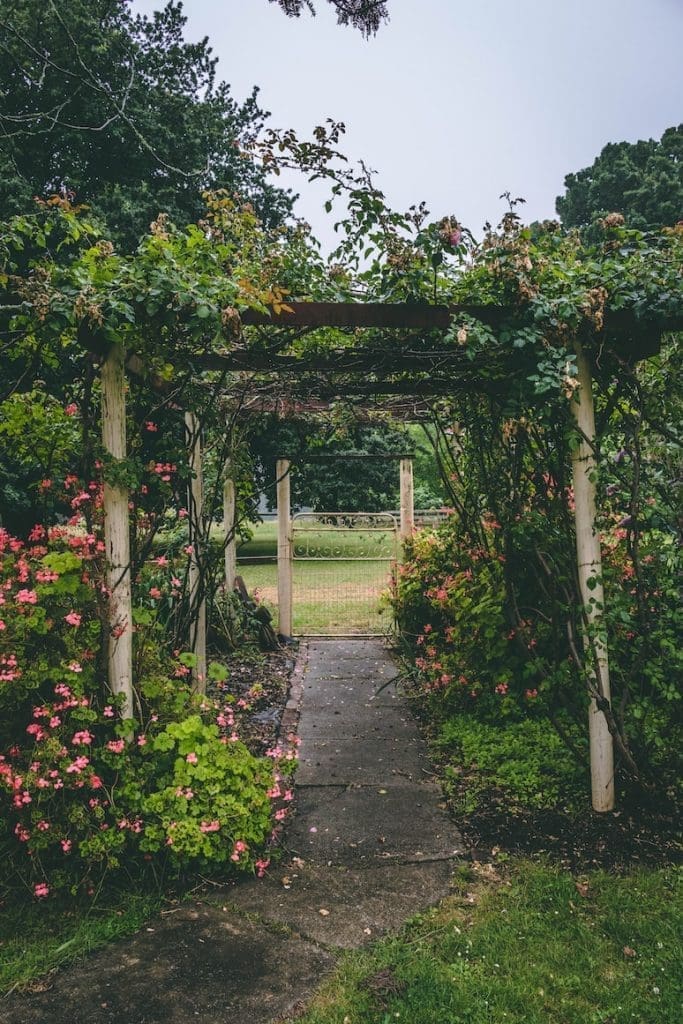
A garden oasis can be a serene and peaceful retreat that allows you to reconnect with nature and enjoy the beauty of flowers, plants, and wildlife. Start by selecting the right plants for your backyard, considering factors such as color, texture, height, and blooming season. Create flower beds or borders, and add mulch or gravel to define the planting areas and prevent weed growth. Add focal points such as a birdbath, a garden bench, or a sculpture to create visual interest and enhance the ambiance of your garden. Consider adding a pergola, trellis, or arbor for vertical interest and to provide shade and privacy. Incorporate pathways or stepping stones to create a sense of movement and invite exploration in your garden oasis.
2: Installing a Fire Pit
A fire pit can be a focal point and a gathering spot in your backyard, perfect for cozy gatherings with family and friends. There are various types of fire pits available, such as wood-burning, gas, or propane, and you can choose a design that complements your backyard style. Select a location that is safe and away from any flammable materials, and ensure proper ventilation for gas or propane fire pits. Consider using fire-resistant materials such as stone, brick, or metal to build your fire pit, and add seating options such as chairs, benches, or built-in seating around the fire pit for comfort. Don’t forget to provide a storage space for firewood or gas/propane tanks, and incorporate proper safety measures such as a fire extinguisher and a spark screen to prevent accidents.
3: Building a Water Feature
A water feature can add a sense of tranquility and serenity to your backyard, creating a soothing ambiance and attracting wildlife. There are various options for water features, such as a fountain, a pond, a waterfall, or a stream, and you can choose a size and style that fits your backyard space and aesthetics. Consider the location, size, and shape of your water feature, and ensure proper circulation and filtration for a clean and healthy water environment. Add aquatic plants, such as water lilies or lotus, to enhance the natural look of your water feature and provide habitat for fish or frogs. Incorporate rocks, stones, or pebbles to create a visually appealing landscape around your water feature and provide a place for birds or butterflies to perch.
4: Adding a Patio or Deck
A patio or deck can provide an inviting outdoor space for relaxation, dining, or entertaining, and can greatly enhance the functionality of your backyard. Choose a location that is easily accessible from your home and offers a desirable view, and determine the size and shape of your patio or deck based on your needs and available space. Consider the materials, such as concrete, pavers, wood, or composite, and choose a style that complements your home and landscape. Add seating options, such as chairs, tables, or a built-in bench, and provide shade with an umbrella, a pergola, or a canopy. Consider adding outdoor lighting, such as string lights, lanterns, or pathway lights, to create a cozy and inviting atmosphere for evening gatherings.
5: Creating a Play Area
If you have kids or enjoy outdoor games, creating a play area in your backyard can be a great addition. Choose a level and open space for your play area, and consider the types of games or activities you want to include, such as a swing set, a sandbox, a basketball hoop, or a trampoline. Ensure proper safety measures, such as soft landing surfaces under play equipment, and provide ample space for kids to run and play. Incorporate seating options for parents or caregivers to comfortably supervise the play area, and consider adding shade options, such as a pergola or a shade sail, to protect kids from the sun.
6: Incorporating Outdoor Lighting
Outdoor lighting can greatly enhance the aesthetics and functionality of your backyard, creating a warm and inviting ambiance and extending the use of your outdoor space into the evening hours. Consider different types of outdoor lighting, such as accent lighting, task lighting, or ambient lighting, and choose a style that complements your backyard and home. Incorporate outdoor lighting in key areas, such as pathways, stairs, seating areas, or focal points, to provide safety, security, and visual interest. Use energy-efficient LED lights and consider adding timers, motion sensors, or solar-powered lights to save energy and reduce maintenance.
7: Planting Trees and Shrubs
Trees and shrubs can provide shade, privacy, and beauty to your backyard, and they are an important part of any landscape design. Choose native trees and shrubs that are well-suited for your region’s climate, soil type, and sunlight exposure, and consider their mature size, maintenance requirements, and overall aesthetics. Plant trees strategically to provide shade for seating areas or to block unwanted views or wind. Consider planting evergreen trees or shrubs for year-round greenery, or deciduous trees for seasonal changes and fall foliage. Incorporate a variety of trees and shrubs with different heights, textures, and colors to create a visually appealing and diverse landscape. Properly water, fertilize, and prune your trees and shrubs to ensure their health and longevity.
8: Creating a Vegetable or Herb Garden
If you have a green thumb and enjoy gardening, creating a vegetable or herb garden in your backyard can be a rewarding and practical landscaping idea. Choose a sunny and well-drained area for your garden, and prepare the soil by removing weeds, rocks, and debris, and adding organic matter or compost. Decide what vegetables or herbs you want to grow based on your preferences, climate, and available space, and plan the layout of your garden accordingly. Consider using raised beds, containers, or vertical gardening techniques to maximize space and improve drainage. Provide proper care and maintenance, such as watering, fertilizing, and pest control, and enjoy the fresh and healthy produce from your own backyard.
9: Incorporating Art and Decorative Elements
Adding art and decorative elements to your backyard can add personality, style, and visual interest to your landscape. Consider incorporating sculptures, statues, or art installations that reflect your taste and complement the overall aesthetics of your backyard. Choose materials, colors, and styles that harmonize with your landscape and home architecture. Consider adding decorative elements such as ornamental grasses, colorful pots, or unique planters to create focal points and add pops of color. Incorporate seating options, such as benches, hammocks, or swings, that not only provide functionality but also serve as decorative elements. Use your creativity and personal style to make your backyard a unique and inviting outdoor space.
10: Creating a Wildlife-Friendly Habitat
Creating a wildlife-friendly habitat in your backyard can be a rewarding and eco-friendly landscaping idea. Consider providing food, water, and shelter for birds, butterflies, bees, and other beneficial wildlife. Plant native plants that provide food and habitat for local wildlife, and avoid using harmful pesticides or chemicals that can negatively impact their health. Install bird feeders, bird baths, or bee houses to attract and support wildlife. Create a composting area or a worm farm to recycle organic waste and provide nutrients for your plants and soil. Consider creating a pollinator garden with flowers that attract butterflies, bees, and other pollinators, to help support their populations and promote biodiversity.
Conclusion
Transforming your backyard into a beautiful and functional outdoor space can greatly enhance your enjoyment of your home and add value to your property. By incorporating landscaping ideas such as creating inviting seating areas, adding fire pits or water features, building a patio or deck, creating a play area, incorporating outdoor lighting, planting trees and shrubs, creating a vegetable or herb garden, incorporating art and decorative elements, and creating a wildlife-friendly habitat, you can create a backyard that is both visually appealing and practical. Remember to consider the specific needs and preferences of your family, the climate and soil conditions of your region, and your overall aesthetics and style when implementing these landscaping ideas. With proper planning, design, and care, your backyard can become a beautiful and inviting oasis for relaxation, entertainment, and enjoyment.In conclusion, if you’re looking to transform your backyard, Ovon-D is the perfect choice. With their extensive expertise in landscaping, innovative design ideas, and comprehensive services, they can bring your vision to life. From creating unique and customized outdoor spaces to providing professional installation and maintenance, Ovon-D has the knowledge and skills to deliver exceptional results. Trust in their experience and creativity to turn your backyard into a stunning oasis that you can enjoy for years to come.
Natural light has the power to transform a home. It can make a space feel brighter, more inviting, and even improve mood and overall well-being. Incorporating natural light into a residential design plan is not only aesthetically pleasing but also essential for a healthy living environment. In this article, we will explore the importance of natural light in residential design and why it should be a top priority for homeowners and designers alike.
Why is natural light important in residential design?
Enhances mood and productivity
Natural light has a profound impact on our mood and productivity levels. Exposure to sunlight can increase serotonin levels in the brain, which helps to boost our mood and energy levels. This is why rooms with ample natural light feel brighter, more welcoming, and can even improve mental health. In addition, natural light is proven to increase productivity and concentration, making it an essential factor to consider when designing a home office or workspace.
Saves energy and reduces costs
Natural light is a free and sustainable resource that can significantly reduce energy costs. By incorporating natural light into the design of a home, homeowners can reduce the need for artificial lighting and save money on energy bills. Not to mention, the reduction in energy consumption also reduces the home’s carbon footprint, making it a more eco-friendly and sustainable option.
Improves overall health and well-being
Exposure to natural light has numerous health benefits. It helps to regulate our circadian rhythm, which is our body’s natural sleep-wake cycle, and can improve sleep quality. Additionally, natural light has been shown to reduce symptoms of depression, anxiety, and seasonal affective disorder (SAD). By designing a home with ample natural light, homeowners can improve their overall health and well-being.
Natural Light in Residential Design Ideas
Are you looking to transform your home into a warm and inviting space that promotes health and happiness? Look no further than natural light residential design. Here are some ideas to help you maximize the benefits of natural light in your home:
Large Windows: Incorporating large windows into your residential design is a great way to maximize natural light in your living spaces. Not only do large windows provide ample natural light, but they also offer stunning views of the outdoors, bringing the beauty of nature into your home.
Skylights: Another great way to bring natural light into your home is through skylights. Skylights are particularly useful in rooms where privacy is a concern, such as bathrooms or bedrooms, as they allow natural light to flood the room without compromising privacy.
Light-Colored Walls and Furniture: When it comes to natural light, the color of your walls and furniture can make a big difference. Opting for light-colored walls and furniture can help to reflect natural light and make your living spaces appear brighter and more open.
Mirrors: Mirrors are a great way to reflect natural light and create the illusion of a larger space. Placing mirrors strategically throughout your living spaces can help to maximize natural light and create a warm and inviting atmosphere.
Solar Tubes: If you’re looking for an eco-friendly way to bring natural light into your home, solar tubes are a great option. Solar tubes are essentially tubular skylights that capture and reflect natural light into your living spaces, while minimizing heat loss and reducing energy costs.
Incorporating natural light into your residential design plan can be a game-changer for your home and your well-being. So why wait? Contact a natural light residential design expert today to learn more about how you can take advantage of this free and sustainable resource to create a brighter, healthier living environment.
How can natural light be incorporated into residential design?
Window placement and size
The placement and size of windows play a crucial role in how much natural light a space receives. Large, strategically placed windows can maximize natural light and provide breathtaking views. Additionally, skylights and clerestory windows can bring natural light into areas that would otherwise be difficult to illuminate.
Reflective surfaces
Incorporating reflective surfaces such as mirrors, glass, and polished surfaces can help to amplify natural light in a space. These surfaces reflect light and distribute it throughout the room, making the space feel brighter and more open.
Light-colored walls and finishes
Light-colored walls and finishes help to reflect and amplify natural light in a space. Bright, neutral colors such as white, cream, and beige can help to maximize the effects of natural light and create an airy, open feel.
Indoor-outdoor connections
Incorporating indoor-outdoor connections such as large sliding doors or French doors can help to blur the boundaries between the inside and outside. This not only brings in more natural light but also creates a seamless flow between indoor and outdoor living spaces.
FAQs
What are the benefits of natural light in a home?
Natural light has numerous benefits, including improving mood and productivity, reducing energy costs, and improving overall health and well-being.
How can I incorporate natural light into my home design?
Natural light can be incorporated into home design through strategic window placement and size, reflective surfaces, light-colored walls and finishes, and indoor-outdoor connections.
How does natural light affect mood and productivity?
Exposure to natural light can increase serotonin levels in the brain, which helps to boost mood and energy levels, leading to increased productivity and concentration.
Can natural light improve sleep quality?
Yes, exposure to natural light can help to regulate the body’s natural sleep-wake cycle, leading to improved sleep quality.
How can natural light improve overall well-being?
Natural light has been shown to reduce symptoms of depression, anxiety, and seasonal affective disorder (SAD), leading to improved overall mental health and well-being.
Conclusion
Natural light is an essential aspect of residential design that should not be overlooked. It has numerous benefits, from improving mood and productivity to reducing energy costs and improving overall health and well-being. By incorporating natural light into the design of a home, homeowners can create a more inviting, sustainable, and healthy living environment.In conclusion, choosing “Ovon-D” for your natural light residential design needs is the best decision you can make for your home and your well-being. With their expertise and personalized approach, you can experience the many benefits of natural light, while creating a sustainable and eco-friendly living environment. So, whether you’re looking to boost your mood, improve your sleep quality, or simply create a warm and inviting space that you can feel proud of, “Ovon-D” has the knowledge and skills to bring your vision to life. Contact them today to schedule your consultation and take the first step towards a brighter, happier home.
The bathroom is one of the most important rooms in any home, as it is where we begin and end our days. A luxurious bathroom can be a sanctuary of relaxation and rejuvenation, but it can also come with a hefty price tag. However, creating a luxurious bathroom doesn’t have to break the bank. With a few simple upgrades and affordable materials, you can transform your bathroom into a luxurious oasis.In this article, we will share tips and tricks on how to create a luxurious bathroom on a budget, including DIY upgrades, affordable materials, and lighting. So, whether you’re looking to upgrade your own bathroom or revamp a guest bathroom, read on for our expert advice on creating a luxurious bathroom without breaking the bank.
Plan Your Design
Planning your bathroom design is an important first step in creating a functional and visually appealing space. Here are some key considerations to keep in mind:
1) Create a vision for your bathroom
Consider your personal style and preferences when envisioning your bathroom design
Think about the functionality and flow of the space, as well as any specific needs or features you require
Research design trends and styles for inspiration, but don’t feel limited to following them strictly
2) Determine your budget
Establish a budget for your bathroom project before beginning any work
Consider the cost of materials, labor, and any additional expenses, such as permits or professional design services
Be realistic about what you can afford and make adjustments to your design plans as needed
3) Research affordable materials and decor
Look for affordable materials and decor options that fit within your budget
Consider options such as ceramic tile or vinyl flooring, which can be both affordable and durable
Shop for decor items such as towels and accessories at discount stores or online to save money
DIY Upgrades
If you’re looking to update your home’s lighting design on a budget, there are several DIY upgrades you can tackle. Here are some ideas to consider:
1) Replace outdated fixtures
Updating old or outdated fixtures can give your home a fresh, modern look
Choose fixtures that complement your existing decor and lighting design
Follow manufacturer instructions carefully when installing new fixtures
2) Paint or refinish cabinets
Adding a fresh coat of paint or refinishing your cabinets can help brighten up your space and create a cohesive look
Choose a paint color that coordinates with your lighting design and decor
Be sure to follow proper preparation and painting techniques for a professional-looking finish
3) Add storage with shelves or baskets
Adding additional storage can help reduce clutter and make your space more functional
Install shelves or baskets in areas where additional storage is needed, such as closets or laundry rooms
Coordinate the style and finish of your storage solutions with your existing decor for a cohesive look
Affordable Materials
When it comes to bathroom renovations, materials can often be one of the most expensive aspects of the project. However, there are many affordable options available that can still provide a high-end look. Here are some affordable materials to consider:
1) Luxury Vinyl Flooring
Luxury vinyl flooring is an affordable option that is easy to install and maintain
It comes in a variety of styles, including options that mimic the look of natural stone or wood
It is durable and resistant to moisture, making it ideal for use in bathrooms
2) Faux Marble Accents
Incorporating faux marble accents, such as a marble-printed shower curtain or accessories, can provide a high-end look without the high-end price tag
Other options include using faux marble tiles for a backsplash or accent wall
Faux marble is easy to clean and maintain, making it a practical choice for bathrooms
3) Affordable Alternatives for Natural Stone
Natural stone, such as marble or granite, can be expensive and require regular maintenance
However, there are affordable alternatives available that can mimic the look of natural stone, such as porcelain or ceramic tile
These materials are durable and easy to clean, making them a practical option for bathroom floors, walls, or countertops
Upgrade Your Lighting
Upgrading your bathroom lighting can be a simple and affordable way to give your space a fresh new look. Here are some tips to consider:
1) Replace Outdated Fixtures
Old or outdated light fixtures can make your bathroom feel dark and dreary
Consider replacing old fixtures with new, modern options that better suit your style and provide better lighting
Look for fixtures that are energy-efficient, such as LED bulbs, to save on energy costs
2) Add Accent Lighting
Accent lighting can help to highlight certain features of your bathroom, such as a statement tile wall or a decorative mirror
Consider adding sconces or recessed lighting around your vanity or above your bathtub to create a spa-like atmosphere
Choose fixtures with dimmer switches to adjust the level of light as needed
3) Incorporate Natural Light
Natural light can make your bathroom feel brighter and more spacious
Consider adding a skylight or enlarging existing windows to let in more natural light
If privacy is a concern, consider adding frosted or textured glass to your windows
Refresh Your Walls
Refreshing your bathroom walls is an easy and affordable way to give your space a new look. Here are some options to consider:
1) Paint or Wallpaper for a Fresh Look
Painting or wallpapering your bathroom walls can instantly transform the look and feel of your space
Consider choosing a color or pattern that complements your existing decor, or opt for a bold accent wall to add interest
Look for durable and moisture-resistant options, such as vinyl wallpaper or bathroom-specific paint, to ensure longevity
2) Use Tile Decals or Stencils
Tile decals or stencils are a cost-effective way to update your bathroom without the hassle and expense of replacing tiles
Choose a design that complements your existing tile, such as a simple geometric pattern or a bold graphic print
Be sure to clean and prep your tiles properly before applying decals or stencils to ensure they adhere properly
3) Add Texture with a Faux Finish
A faux finish, such as a textured plaster or stone effect, can add depth and interest to your bathroom walls
Look for DIY-friendly options, such as textured paint or wallpaper, that can be easily applied without the need for professional installation
Consider adding a glossy or metallic topcoat for added dimension and shine
To sum up everything
Creating a luxurious bathroom doesn’t have to be a daunting or expensive task. By making a few strategic upgrades and investing in affordable materials, you can create a bathroom that feels like a spa without breaking the bank.From simple DIY upgrades to carefully selecting affordable materials and lighting fixtures, there are many ways to create a luxurious bathroom on a budget. With these tips and tricks, you can transform your bathroom into a luxurious oasis that you can enjoy every day.So, start planning your bathroom renovation project today and enjoy the luxurious results without overspending.
Renovate your house with Ovon Design!
hassle-free E-WARRANTYOvon-D offers an easy and hassle-free E-WARRANTY program to give you the confidence you need to make that final investment decision. It is because we are a company whose mission is to provide excellence and quality service for OUR BELOVED customers worldwide, as well as being a reliable, honest, professional, and trustworthy company. Click here to learn more about our service or visit our showroom at 53 Joo Chiat Place Singapore 427777 or 534 Balestier Road Singapore 329860.
The bathroom is one of the most important spaces in any home, offering a place to relax, unwind, and refresh ourselves. As we look ahead to 2023, it’s clear that bathroom design trends are evolving to focus on creating a truly luxurious and personalized experience. Whether you prefer the sleek sophistication of black and white, the natural beauty of wood and stone, or the high-tech convenience of the latest gadgets, there’s a bathroom trend to suit your style.In this article, we’ll explore the top bathroom design trends for 2023, providing inspiration and ideas for creating your dream bathroom.
Trend #1: Spa-Like Bathrooms
A spa-like bathroom is a trend that has become increasingly popular in recent years. This type of bathroom design focuses on creating a relaxing and calming atmosphere, similar to that of a spa. Here are some key elements of a spa-like bathroom:
Soft lighting: Soft, warm lighting can help create a peaceful and relaxing ambiance. You may want to consider installing dimmer switches or adding some candles to create a soothing glow.
Natural materials: Natural materials, such as wood, stone, and bamboo, can help create a sense of calmness and serenity in your bathroom. Incorporating these materials into your bathroom design can help create a spa-like feel.
Neutral color palette: A neutral color palette can help create a serene and calming atmosphere in your bathroom. Shades of beige, gray, and white can create a spa-like feel, while also allowing you to add pops of color with towels and accessories.
Freestanding bathtub: A freestanding bathtub can be the perfect centerpiece for a spa-like bathroom. Not only does it create a luxurious feel, but it can also serve as a focal point for the room.
Advantages of incorporating a spa-like design into your bathroom:
Creates a peaceful and calming atmosphere: A spa-like bathroom can be the perfect place to unwind after a long day, helping you relax and destress.
Increases the value of your home: Incorporating a spa-like design into your bathroom can be a smart investment, as it can increase the value of your home.
Provides a spa-like experience at home: With a spa-like bathroom, you can enjoy the relaxation and pampering of a spa experience without ever having to leave your home.
Examples of features and decor to create a spa-like atmosphere:
Soothing scents: Adding some essential oils or scented candles can help create a calming and soothing atmosphere in your bathroom.
Plush towels and bathrobes: Soft, plush towels and bathrobes can help create a luxurious feel in your bathroom, while also providing comfort and warmth.
Plants: Incorporating some plants into your bathroom can help create a natural and calming atmosphere. Some good options include bamboo, aloe vera, and lavender.
Trend #2: Black and White Bathrooms
A black and white bathroom is a classic and timeless trend that never goes out of style. This design scheme is elegant, sophisticated, and can work well in any size bathroom. Here are some key elements of a black and white bathroom:
Contrasting colors: The contrast between black and white creates a striking and bold look in your bathroom. You can use black tiles on the floor or walls, or opt for a white bathroom with black accents.
Minimalism: A black and white bathroom can work well with a minimalist design. Simple lines, clean shapes, and a lack of clutter can create a sleek and modern feel.
Natural materials: Natural materials, such as marble or stone, can add texture and depth to your black and white bathroom. These materials can also help soften the bold contrast between black and white.
Advantages of using a black and white color scheme in your bathroom:
Timeless and classic: A black and white bathroom never goes out of style and can work well with any decor style.
Easy to maintain: Black and white are easy to clean and maintain, making them a practical choice for bathrooms.
Versatile: A black and white bathroom can work well in any size bathroom, from small powder rooms to large master bathrooms.
Examples of how to incorporate black and white into your bathroom design:
Black and white tiles: Using black and white tiles on the floor or walls can create a bold and striking look in your bathroom.
Black fixtures and hardware: Black fixtures, such as faucets and showerheads, can add a modern and edgy touch to your bathroom design.
White walls with black accents: If you prefer a more subtle approach, you can paint your walls white and add black accents, such as a black-framed mirror or black and white artwork.
Trend #3: High-Tech Bathrooms
High-tech bathrooms are becoming increasingly popular as homeowners seek to incorporate technology into every aspect of their homes. Here are some key features and technology you can consider for your high-tech bathroom:
Smart toilets: Smart toilets are becoming more common in high-tech bathrooms. These toilets often include features such as heated seats, bidet functions, and even built-in speakers.
Digital showers: Digital showers allow you to control the temperature, water flow, and even lighting through a digital interface. Some digital showers also include features such as aromatherapy or music streaming.
Smart mirrors: Smart mirrors can include features such as built-in lighting, Bluetooth connectivity, and even voice-activated virtual assistants.
Advantages of using high-tech features in your bathroom:
Convenience: High-tech features can make your daily routine more convenient and efficient. For example, a smart toilet can automatically flush and adjust the temperature and water flow based on your preferences.
Personalization: High-tech features can be customized to your preferences, making your bathroom experience more personalized and enjoyable.
Energy efficiency: Many high-tech features are designed to be energy-efficient, which can help you save money on your energy bills and reduce your environmental impact.
Examples of popular high-tech features for bathrooms:
Kohler Numi 2.0 Smart Toilet: This high-tech toilet includes features such as heated seats, personalized cleansing functions, and even ambient lighting.
U by Moen Digital Shower: The U by Moen digital shower allows you to control your shower experience through a digital interface. You can adjust the temperature, water flow, and even set your preferred shower duration.
HiMirror Smart Mirror: The HiMirror smart mirror includes features such as skin analysis, makeup lighting, and even virtual fitness classes.
Trend #4: Nature-Inspired Bathrooms
Nature-inspired bathrooms are a popular trend for 2023. This trend involves incorporating natural elements and materials into your bathroom design to create a relaxing and peaceful atmosphere. Here are some ways to incorporate nature into your bathroom:
Natural materials: Incorporating natural materials such as wood, stone, and bamboo into your bathroom design can create a warm and earthy feel. You can use these materials for flooring, countertops, and even shower tiles.
Plants: Adding plants to your bathroom can create a natural and calming atmosphere. Plants such as ferns, orchids, and succulents are great choices for bathrooms as they thrive in humid environments.
Natural colors: Choosing natural colors such as greens, browns, and blues can create a soothing and calming effect. You can also incorporate natural patterns such as leaf prints or floral designs.
Advantages of incorporating natural elements into your bathroom design:
Relaxation: Nature-inspired bathrooms create a calming and relaxing atmosphere, which can help you unwind and de-stress after a long day.
Health benefits: Plants can help purify the air in your bathroom and improve indoor air quality, which can have health benefits such as reducing stress and improving sleep.
Timeless design: Nature-inspired bathrooms are a timeless design trend that will never go out of style. By incorporating natural elements, you can create a design that will remain relevant for years to come.
Examples of how to incorporate natural materials and decor into your bathroom:
Use wood or bamboo for your bathroom cabinets or countertops.
Hang a plant or two in your bathroom to add some natural greenery.
Install a stone or pebble shower floor to create a natural spa-like feel.
Trend #5: Creative Tile Designs
Creative tile designs are a growing trend in bathroom design. Unique tile designs and patterns can add visual interest and texture to your bathroom, creating a personalized and stylish space. Here are some ways to incorporate creative tile designs into your bathroom:
Statement tiles: Statement tiles are bold, eye-catching tiles that add a pop of color or pattern to your bathroom. They can be used as an accent wall, backsplash, or shower niche to create a focal point in the room.
Mosaic tiles: Mosaic tiles are small tiles arranged in a pattern or design. They can be used to create a border, accent, or full wall of unique and intricate patterns.
3D tiles: 3D tiles are tiles that are designed to create a three-dimensional effect on your walls or floors. They can add depth and texture to your bathroom and are available in a variety of shapes and sizes.
Advantages of using unique tile designs in your bathroom:
Personalized style: Unique tile designs can add personality and individuality to your bathroom, making it a reflection of your personal style.
Increased home value: A bathroom with unique and stylish tile designs can increase the value of your home and make it more attractive to potential buyers.
Durability: Tile is a durable and long-lasting material that can withstand moisture and high traffic areas.
Examples of innovative tile designs and patterns for bathrooms:
Herringbone pattern: A herringbone pattern creates a zig-zag pattern that can add visual interest to your bathroom floor or shower walls.
Moroccan tiles: Moroccan tiles are bold and colorful, featuring intricate designs and patterns that can add a unique touch to your bathroom.
Subway tiles: Subway tiles are a classic tile design that can be used in a variety of patterns to create a modern or traditional look.
To sum up everything
As we move into the new year, it’s an exciting time for bathroom design, with a wealth of trends and ideas to choose from. By incorporating these top bathroom design trends for 2023, you can transform your bathroom into a haven of relaxation and rejuvenation. Whether you opt for a spa-like retreat, a high-tech oasis, or a nature-inspired haven, there are endless possibilities for creating a bathroom that perfectly reflects your style and needs.So why not embrace the latest trends and turn your bathroom into a truly luxurious space? With a little creativity and imagination, anything is possible!
Renovate your house with Ovon Design!
hassle-free E-WARRANTYOvon-D offers an easy and hassle-free E-WARRANTY program to give you the confidence you need to make that final investment decision. It is because we are a company whose mission is to provide excellence and quality service for OUR BELOVED customers worldwide, as well as being a reliable, honest, professional, and trustworthy company. Click here to learn more about our service or visit our showroom at 53 Joo Chiat Place Singapore 427777 or 534 Balestier Road Singapore 329860.
The kitchen is often considered the heart of the home, a place where family and friends gather to share meals, stories, and laughter. It’s a space where functionality and style should come together seamlessly. Whether you’re designing a new kitchen or renovating an existing one, creating a space that meets your needs and reflects your personal style is key. From choosing the right layout to selecting appliances and finishes, designing a functional and stylish kitchen can be a daunting task. But fear not, with the right approach and a little bit of planning, you can achieve your dream kitchen.In this article, we’ll provide you with tips and tricks on how to design a functional and stylish kitchen that suits your lifestyle and taste.
Assess Your Needs
Designing a functional and stylish kitchen begins with assessing your needs. By understanding your cooking and entertaining habits, storage requirements, and budget constraints, you can create a space that meets all of your needs and that reflects your personal style.
Determine your cooking and entertaining needs: The first step in designing a functional kitchen is to determine your cooking and entertaining needs. Consider how often you cook and what types of meals you typically prepare. Do you enjoy entertaining guests, or is your kitchen primarily used for family meals? This information will help you determine the size and layout of your kitchen and the types of appliances you will need.
Evaluate your storage needs: The amount of storage you need will depend on the size of your family, the types of items you will be storing, and your cooking and entertaining needs. Consider the size and number of cabinets and drawers you will need, as well as any specialized storage solutions, such as a pantry or spice rack.
Assess your budget: Finally, it’s important to assess your budget before beginning your kitchen design project. This will help you determine what type of materials and finishes you can afford and will help you prioritize your needs and wants.
Plan Your Layout
Planning the layout of your kitchen is a crucial step in creating a functional and efficient space. There are several factors to consider when planning your layout, including the kitchen work triangle, the placement of appliances, and the size and shape of your kitchen island. Here are some tips on how to approach each of these elements:
1) Consider the kitchen work triangle
The kitchen work triangle is a design principle that helps to ensure a smooth and efficient workflow in the kitchen. The triangle consists of three points: the sink, the stove, and the refrigerator. When planning your layout, you should aim to create a triangle between these three points that is as unobstructed as possible. Here are some things to consider:
Keep the distance between each point of the triangle between 4 and 9 feet, with the total perimeter of the triangle no more than 26 feet.
Avoid placing major obstacles, such as islands or cabinets, in the middle of the triangle.
Keep in mind that the triangle is not the only important element of the kitchen layout, and you may need to make adjustments based on the specific needs of your household.
2) Decide on the placement of appliances
When planning the placement of your appliances, consider both their functional needs and their aesthetic impact on the space. Here are some things to consider:
Position your stove and oven close to your refrigerator, to make it easier to transfer food from one to the other.
Consider placing the sink in front of a window, to take advantage of natural light and views.
If you have a dishwasher, position it near the sink to make it easier to load and unload.
3) Determine the size and shape of your kitchen island
If you’re planning to include a kitchen island in your layout, there are several factors to consider when determining its size and shape. Here are some things to consider:
The island should be large enough to accommodate your needs, but not so large that it overwhelms the space or obstructs the work triangle.
Aim for a clearance of at least 3 feet between the island and other surfaces, to ensure that you have enough space to move around.
Consider the shape of your island – a rectangular or square shape is most common, but you could also opt for a circular or L-shaped island depending on your needs.
Select Your Cabinets and Countertops
Selecting the right cabinets and countertops for your kitchen can have a significant impact on the overall aesthetic and functionality of the space. Here are some tips on how to choose the right cabinets and countertops for your kitchen:
1) Types of cabinet materials and styles
Cabinets are available in a wide range of materials and styles, each with their own pros and cons. Here are some popular options to consider:
Wood: This is a classic and timeless option, available in a range of finishes and styles. However, it can be prone to warping and cracking over time.
Laminate: This is a budget-friendly option that is easy to clean and maintain. However, it is less durable than some other materials and can be prone to chipping and peeling.
Metal: This is a modern and sleek option that is resistant to moisture and heat. However, it can be prone to scratches and dents.
Shaker style: This is a popular and versatile style that features a simple and clean design with a flat center panel.
2) Consider the durability and maintenance of your countertops
Countertops are another key element of your kitchen design, and choosing the right material is essential for both aesthetics and functionality. Here are some popular options to consider:
Granite: This is a durable and high-end option that is resistant to scratches and heat. However, it can be prone to staining if not properly sealed.
Quartz: This is a low-maintenance and durable option that is resistant to scratches, stains, and heat. However, it can be more expensive than some other materials.
Laminate: This is a budget-friendly option that is easy to clean and maintain. However, it is less durable than some other materials and can be prone to scratches and chips.
Butcher block: This is a warm and rustic option that is great for food prep. However, it requires regular maintenance to prevent warping and staining.
3) Tips for choosing complementary colors and finishes
When selecting your cabinets and countertops, it’s important to choose complementary colors and finishes that work well together. Here are some tips to keep in mind:
Stick with neutral colors for your cabinets and countertops, as these will be timeless and versatile.
Consider the overall style of your kitchen – for example, if you have a modern kitchen, you may want to choose cabinets with a high-gloss finish and countertops with a sleek, matte finish.
Don’t be afraid to mix and match materials and finishes to add depth and texture to your design.
Choose Your Appliances
Choosing the right appliances for your kitchen is an important decision that will affect your cooking experience and the overall functionality of the space. Here are some tips on how to choose the right appliances:
1) Consider the size and capacity of your appliances
The size and capacity of your appliances will depend on the size of your kitchen and the number of people you typically cook for. Here are some factors to consider:
Refrigerator: Consider the size of your family and how much food you typically store. A family of four may need a refrigerator with a capacity of 18-20 cubic feet.
Range: Consider the size of your kitchen and the number of burners you need. A four-burner range may be sufficient for a small family, while a six-burner range may be better for those who love to cook or entertain.
Dishwasher: Consider the size of your family and how often you use dishes. A standard dishwasher can hold up to 12 place settings, while larger models can hold up to 16.
2) Decide on the type and features of your stove and oven
There are several types of stoves and ovens to choose from, each with their own benefits and drawbacks. Here are some popular options to consider:
Gas range: This type of range is preferred by many professional chefs because it offers precise temperature control. However, it can be less energy-efficient than electric ranges.
Electric range: This type of range is easy to use and clean, and it can be more energy-efficient than gas ranges. However, it may not offer as precise temperature control.
Double oven: If you often cook multiple dishes at once, a double oven may be a good choice. This type of oven allows you to cook at different temperatures and speeds simultaneously.
Convection oven: This type of oven uses a fan to circulate hot air, which can cook food faster and more evenly.
3) Determine your refrigeration needs
The type of refrigerator you choose will depend on your lifestyle and preferences. Here are some popular options to consider:
French door: This type of refrigerator has two doors that open from the middle, with the freezer on the bottom. It offers a lot of storage space and easy access to both the refrigerator and freezer.
Side-by-side: This type of refrigerator has two doors that open from the middle, with the refrigerator on one side and the freezer on the other. It’s a good option for those who need a lot of freezer space.
Top-freezer: This type of refrigerator has the freezer on top and the refrigerator on the bottom. It’s a good option for those on a budget or with limited space.
Lighting and Flooring
When designing a kitchen, lighting and flooring are two important elements that should not be overlooked. Here are some tips on how to choose the right lighting and flooring options for your kitchen:
1) Types of kitchen lighting
There are several types of kitchen lighting to consider, each with their own benefits and purposes. Here are some popular options:
Task lighting: This type of lighting is focused on a specific area, such as over the sink, stove, or countertops. It provides bright, concentrated light that makes it easier to work in the kitchen.
Ambient lighting: This type of lighting provides overall illumination for the kitchen. It can be achieved through ceiling fixtures, recessed lighting, or wall sconces. Ambient lighting helps to create a warm and inviting atmosphere in the kitchen.
Accent lighting: This type of lighting is used to highlight a specific feature, such as a piece of artwork or a decorative backsplash. It adds depth and dimension to the kitchen.
2) Choosing durable and low-maintenance flooring options
Kitchen flooring should be durable and easy to clean, as it will experience a lot of wear and tear over time. Here are some popular options:
Ceramic or porcelain tile: These materials are durable, moisture-resistant, and easy to clean. They come in a wide range of colors and patterns to suit any kitchen style.
Vinyl: Vinyl flooring is a low-maintenance option that is available in a variety of colors and patterns. It is water-resistant and durable, making it a good choice for kitchens.
Hardwood: Hardwood flooring is a timeless option that adds warmth and beauty to any kitchen. However, it requires regular maintenance and may not be suitable for kitchens with high traffic or moisture.
Laminate: Laminate flooring is a cost-effective and low-maintenance option that mimics the look of hardwood or tile. It is durable and moisture-resistant, making it a good choice for kitchens.
3) Consideration of natural light sources
Natural light can help to brighten up your kitchen and make it feel more spacious. Here are some tips for maximizing natural light in your kitchen:
Consider the placement of windows and doors to allow for maximum natural light.
Use light-colored paint or finishes to reflect natural light and make the space feel brighter.
Avoid blocking natural light with tall cabinets or other obstacles.
Use sheer or light-colored window treatments to allow natural light to filter in.
To sum up everything
A functional and stylish kitchen can add value to your home and make everyday life easier and more enjoyable. By taking the time to plan and design your kitchen, you can create a space that not only meets your needs but also reflects your personal style.From selecting the right layout and appliances to choosing the perfect finishes and accessories, there are many factors to consider when designing your dream kitchen. By following the tips and tricks we’ve provided, you can design a kitchen that is both functional and stylish, and that will serve as the heart of your home for years to come.So don’t be afraid to get creative and have fun with your design, and remember that with a little bit of planning and some careful consideration, you can create the kitchen of your dreams.
Renovate your house with Ovon Design!
hassle-free E-WARRANTYOvon-D offers an easy and hassle-free E-WARRANTY program to give you the confidence you need to make that final investment decision. It is because we are a company whose mission is to provide excellence and quality service for OUR BELOVED customers worldwide, as well as being a reliable, honest, professional, and trustworthy company. Click here to learn more about our service or visit our showroom at 53 Joo Chiat Place Singapore 427777 or 534 Balestier Road Singapore 329860.