
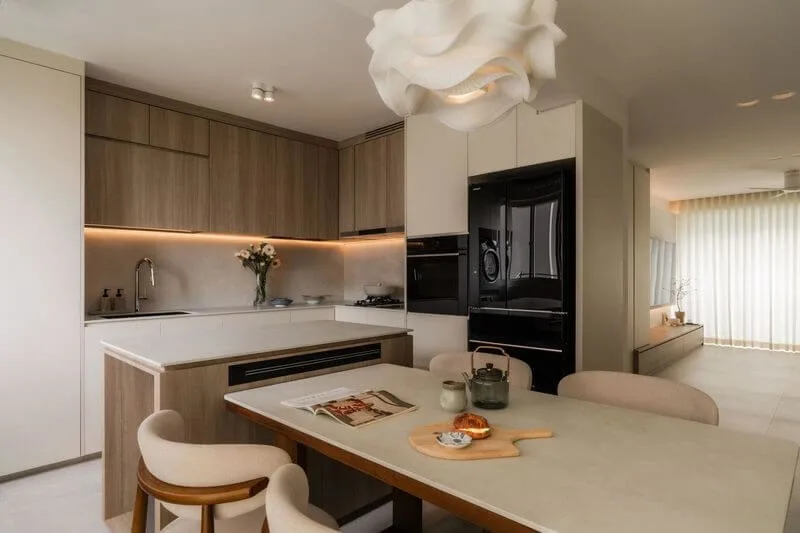
Design is created, and never made by accident. For every pretty living space and beautiful kitchen, there are trade-offs that a homeowner might not see when they’re deep in the renovation process. Compromises must be reached every day in the world of interior design Singapore between aesthetics, budget constraints, space planning, and practical living requirements.
At Ovon, we often say that every good interior design begins with honest conversations between homeowners and designers. An interior designer in Singapore with experience is not going to produce pretty pictures. We investigate the dynamics of people moving through a living space, how storage drives day-to-day routines, and how final preparations for renovation influence long-term comfort. A trusted interior design company in Singapore must think beyond trends and focus on real-life use.
Why Every “Beautiful Home” Is Built on Trade-Offs
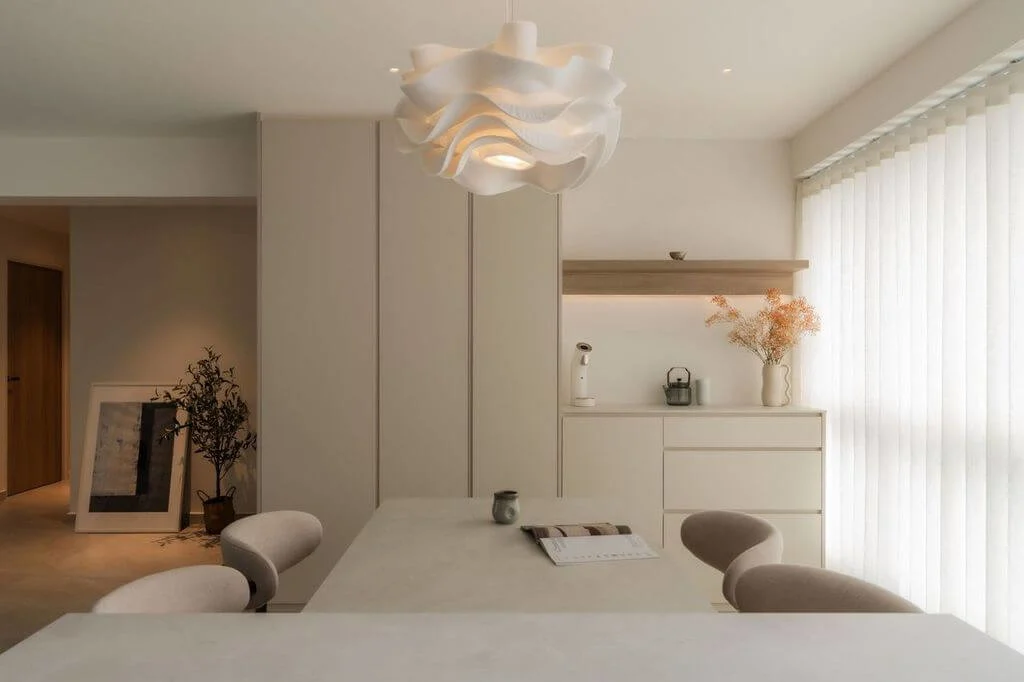
Every interior design project begins with constraints. In Singapore interior design work, the first issue is usually layout limitations inside an HDB flat, condominium, or compact residential interior property. Most of the homeowners give priority to aesthetics first because they want their dream home to be visually rewarding. But a seasoned interior designer can immediately observe that the end product is typically dominated by layout, cost, and storage.
Interior design companies often explain that design and renovation decisions cannot satisfy every preference equally. A homeowner may want minimalist aesthetics, extensive carpentry, strong storage capacity, and an open layout all at once. In reality, each design consultation involves balancing practical trade-offs.
A professional interior design firm in Singapore studies:
- Space planning
- Material selection
- Layout restrictions
- Design preferences
- Home renovation priorities
- Renovation services costs
Top interior designers in Singapore often identify the same early challenge: homeowners underestimate how strongly the existing layout affects every design process decision.
Space vs Storage — The Constant Push and Pull
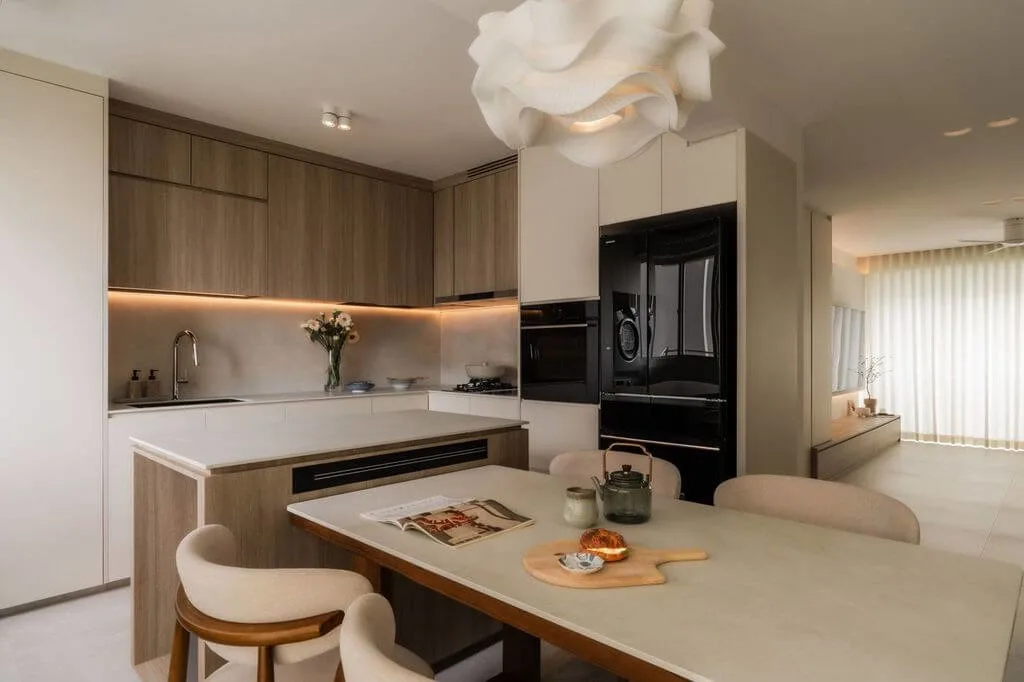
Storage remains one of the biggest interior design challenges across Singapore homes. Many HDB and condo owners want clean, minimalist spaces without visual heaviness, yet they also need enough storage for daily use.
This creates tension between openness and functionality. Excessive carpentry can overwhelm a small living space, but under-storage creates clutter after moving in.
In many residential interior design projects, built-in storage matters most in:
- Kitchen zones
- Wardrobe areas
- Entry storage
- Bathroom cabinetry
Meanwhile, though, decent interior decorators actively discourage pointless carpentry in jammed walkways or even in smaller dining places. One of the most common renovation blunders is when homeowners attempt to maximize storage in every nook and cranny. The result often feels heavy and restrictive.
A thoughtful design studio understands that home interior design must support movement and breathing room. Good design solutions focus on where storage genuinely improves daily routines, rather than filling every wall with cabinets.
Layout vs Budget — When Design Ideas Meet Reality
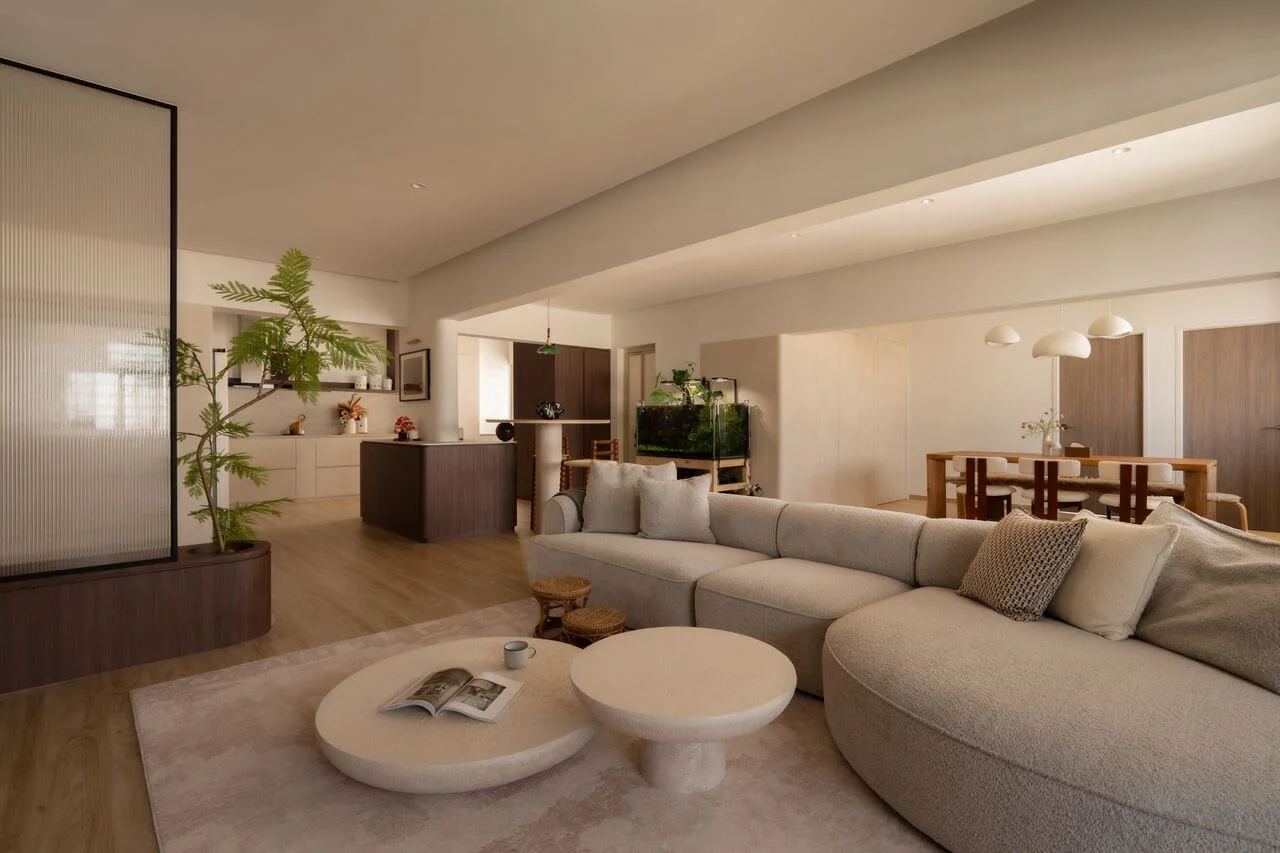
Many homeowners enter the renovation process wanting dramatic layout changes inspired by Pinterest or overseas interior lab concepts. Open kitchens, large islands, and extensive hacking work may look attractive online, but interior design and renovation work in Singapore must operate within structural and budget constraints.
An interior design company in Singapore frequently advises clients against hacking walls unnecessarily. Structural walls, plumbing systems, and electrical routing significantly affect renovation costs.
Some layout changes create strong value:
- Opening visual sightlines
- Improving kitchen flow
- Enlarging shared family zones
- Better circulation around furniture
Other ideas create high costs without practical benefit. One common issue in Singapore interior design involves forcing oversized open-concept layouts into already compact homes.
Ovon’s design development process often prioritises improvements that create noticeable lifestyle impact without overcomplicating renovation work. A trusted interior design studio knows that layout adjustments should support daily comfort, not just visual trends.
Aesthetic vs Daily Function — What Actually Holds Up Over Time
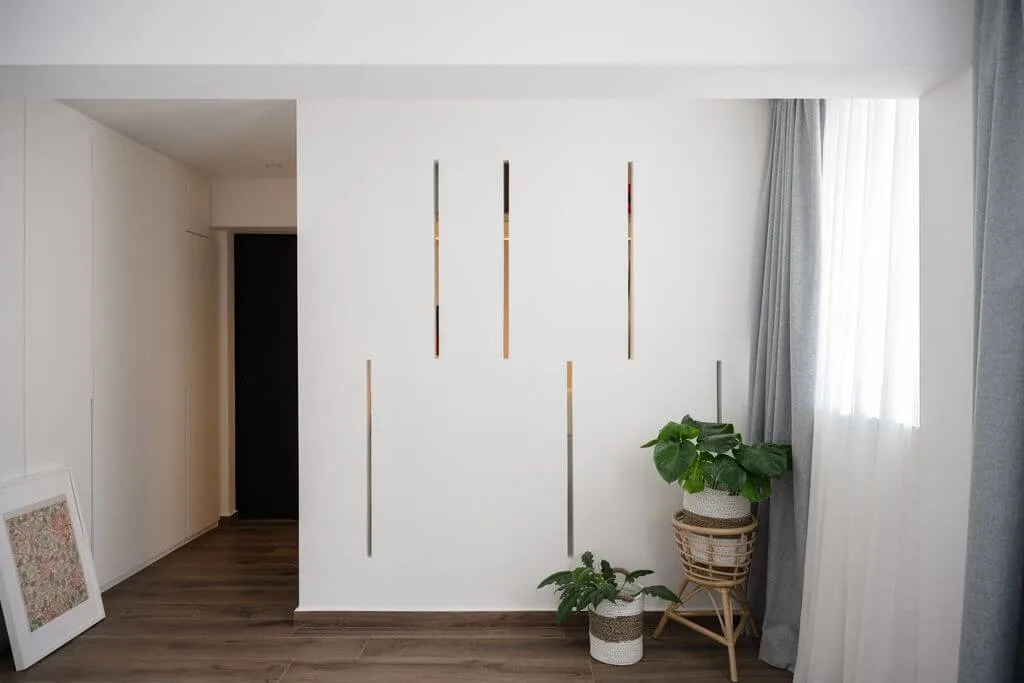
Some design themes look beautiful during project handover but become frustrating after six months.
Similarly, finishes and design details that look sleek in photos, such as matte surfaces, textured materials, or lighter tones, often require more frequent upkeep to maintain their appearance in active households.
Experienced interior designers in Singapore frequently avoid:
- Overly delicate laminates
- Hard-to-clean textures
- Excessively trendy finishes
- Weak carpentry materials
- Fragile statement pieces
However, many homeowners only discover these problems after moving in. An excellent interior designer also assists their clients in looking at the bigger picture, and along with beauty, considers more long-term functionality. At Ovon, well-designed homes mean being aware of how the home functions when the renovation process has been completed. A luxury interior should still support comfort, cleaning routines, storage habits, and everyday living.
Consistency vs Flexibility — Designing for Now vs Later
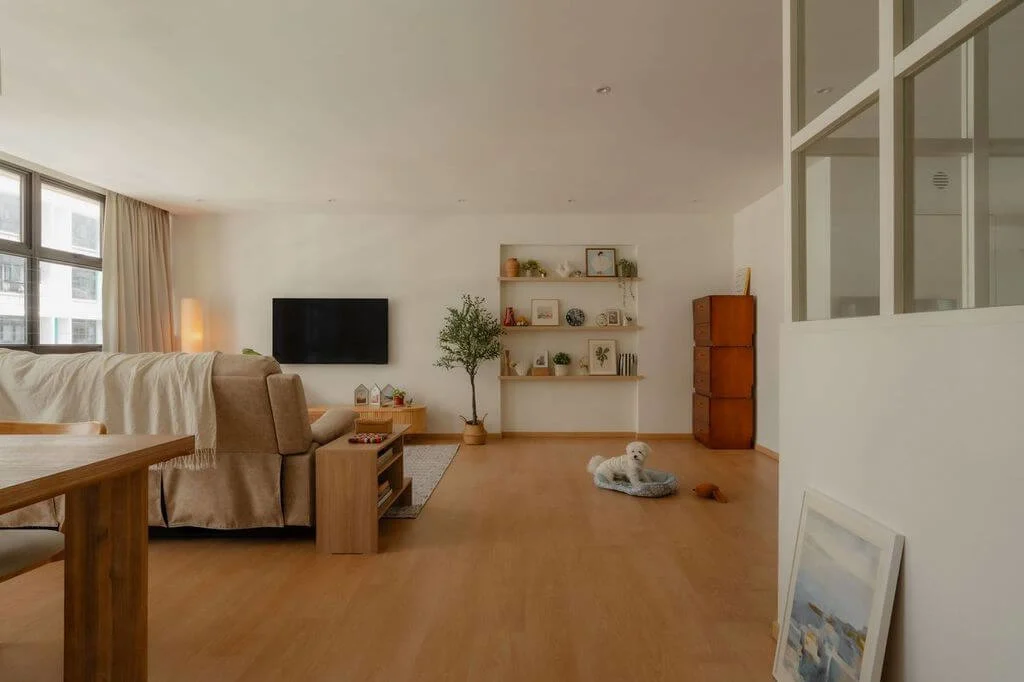
Many homeowners design entirely around their current lifestyle without considering future changes. Yet Singapore interior design projects often need to accommodate evolving family needs, remote work, ageing parents, or growing children.
Experienced interior designers intentionally keep certain areas flexible:
- Multi-purpose rooms
- Adaptable furniture layouts
- Flexible lighting placement
- Open study zones
- Modular storage
Fixed carpentry sometimes limits future flexibility. The same goes for the aesthetics driven by trends.
Timeless design style decisions tend to age more gracefully than concepts closely tied to trends: this is why an interior designer in Singapore knows best. Scandinavian decor remains stylish because it emphasises simplicity, functionality, and versatility.
Good interior design services in Singapore focus on longevity. Homeowners often regret highly customised decisions that later become restrictive.
Budget Allocation — Where Money Actually Matters
One of the biggest misconceptions in home renovation involves equal budget distribution across the entire home. In reality, certain areas deserve stronger investment.
Top interior design companies usually recommend prioritising:
- Kitchen carpentry
- Bathroom and kitchen waterproofing
- Electrical systems
- Wardrobe systems
- High-use cabinetry
Meanwhile, decorative elements often require less spending.
Interior design and renovation services frequently involve hidden costs, including:
- Surface preparation
- Electrical rewiring
- Plumbing work
- Structural adjustments
- Ventilation considerations
Experienced interior designers regularly see money wasted on oversized decorative features with limited practical value. Good design focuses on function first before layering aesthetics.
Lighting — The Most Underrated Design Decision
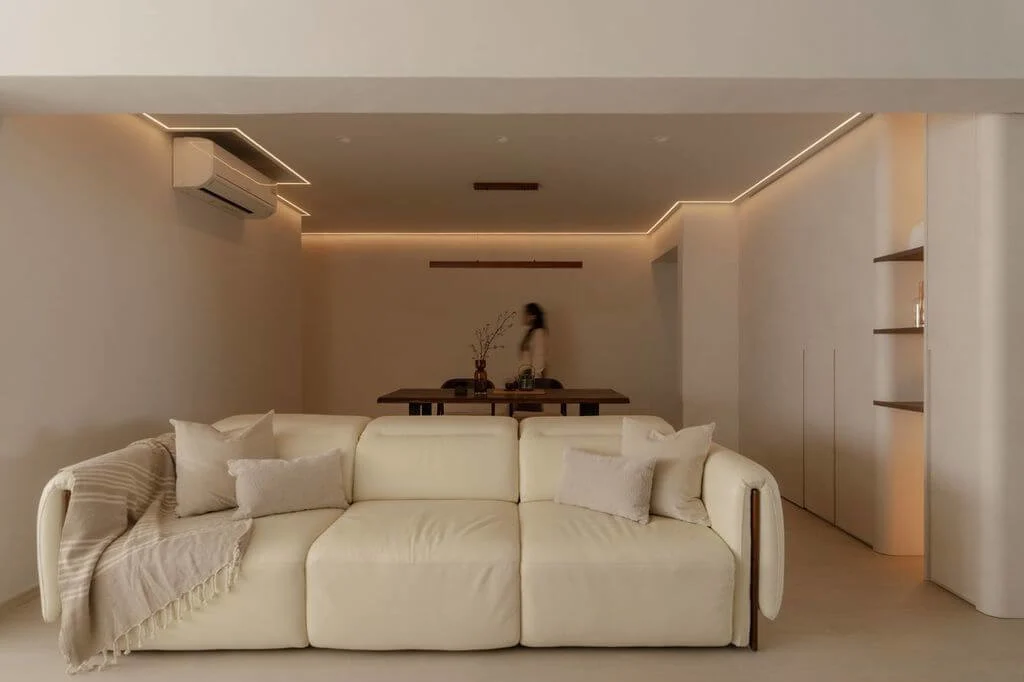
Lighting shapes the emotional feel of every home interior design project. Yet many homeowners treat lighting as an afterthought during renovation services planning.
Single-point lighting creates flat, uncomfortable interiors. Layered lighting improves comfort, warmth, and usability.
A professional interior design firm approaches lighting through:
- Ambient lighting
- Task lighting
- Accent lighting
- Natural light integration
Small Singapore homes especially benefit from careful lighting placement. Compact condo and HDB layouts need lighting that visually expands the space without creating glare.
One common mistake involves relying entirely on ceiling downlights. A more thoughtful approach combines indirect lighting, concealed strips, wall lighting, and task-specific fixtures.
Working Within Singapore Constraints
Interior design Singapore projects operate differently compared to overseas homes. Singapore’s humidity, compact layouts, and renovation regulations create unique design needs.
Interior design companies in Singapore constantly design around:
- Structural wall limitations
- Wet area restrictions
- Ventilation concerns
- Compact layouts
- Humidity exposure
Certain overseas design ideas struggle locally. Open wardrobes, textured wall materials, and poorly ventilated layouts often fail under Singapore conditions.
Material selection becomes extremely important. Experienced interior designers typically recommend finishes capable of handling humidity, regular cleaning, and long-term wear.
The Reality Clients Don’t See During Renovation
Many homeowners only see the final reveal photos. Behind every completed project, however, there are constant adjustments happening during renovation.
Site conditions shift unexpectedly. Material substitutions occur. Timelines adjust.
A trusted interior design company in Singapore spends considerable effort coordinating:
- Contractors
- Carpentry teams
- Electrical work
- Material sourcing
- Site management
- Project management
The renovation process always involves problem-solving. Good communication matters heavily when plans need to shift.
At Ovon, we believe thoughtful interior design and renovation work depends on transparency and grounded decision-making throughout every project.
What Good Interior Design Really Means
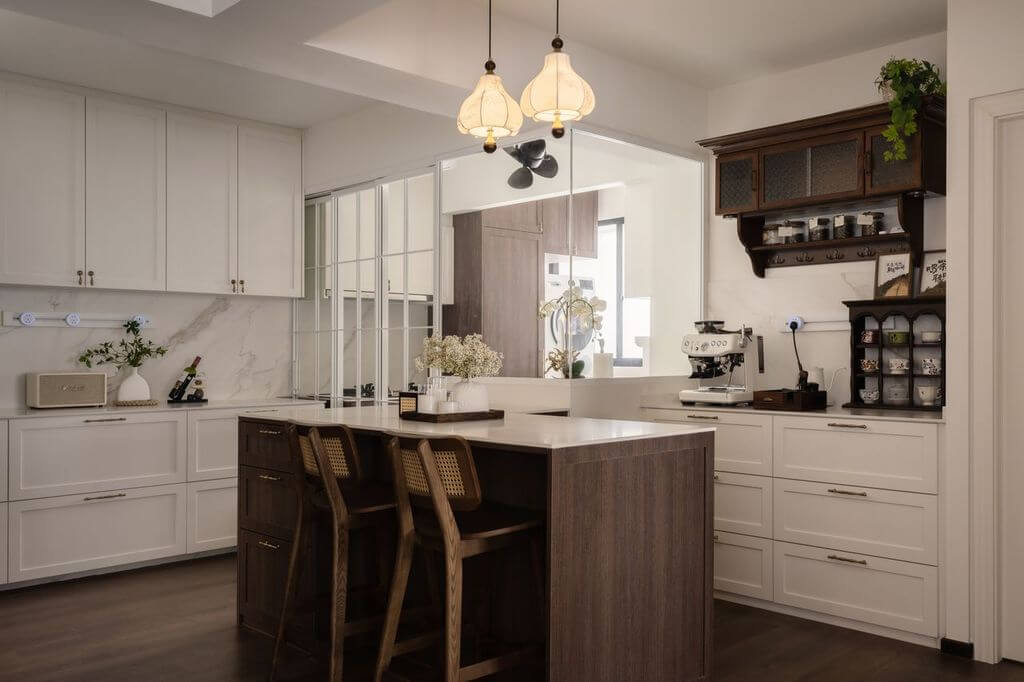
Good interior design is rarely about chasing perfection. The best interior design Singapore homes usually succeed because they reflect realistic living habits, thoughtful design ideas, and practical renovation choices.
A well-crafted home serves the day-to-day workings of the homeowner — their comfort, their storage needs, and their long-term lifestyle aspirations well into retirement. There will always be tradeoffs in a HDB renovation, condo renovation, landed properties, or commercial interior design around Singapore.
A knowledgeable interior designer also knows that each and every project is a balancing act in itself of aesthetics versus layout, carpentry versus selection of materials, along with budget commitments. Good design endures, not simply the super-hot trends.
If you’re looking for advice for your space as you embark on a renovation in Singapore, contact us at Ovon.