
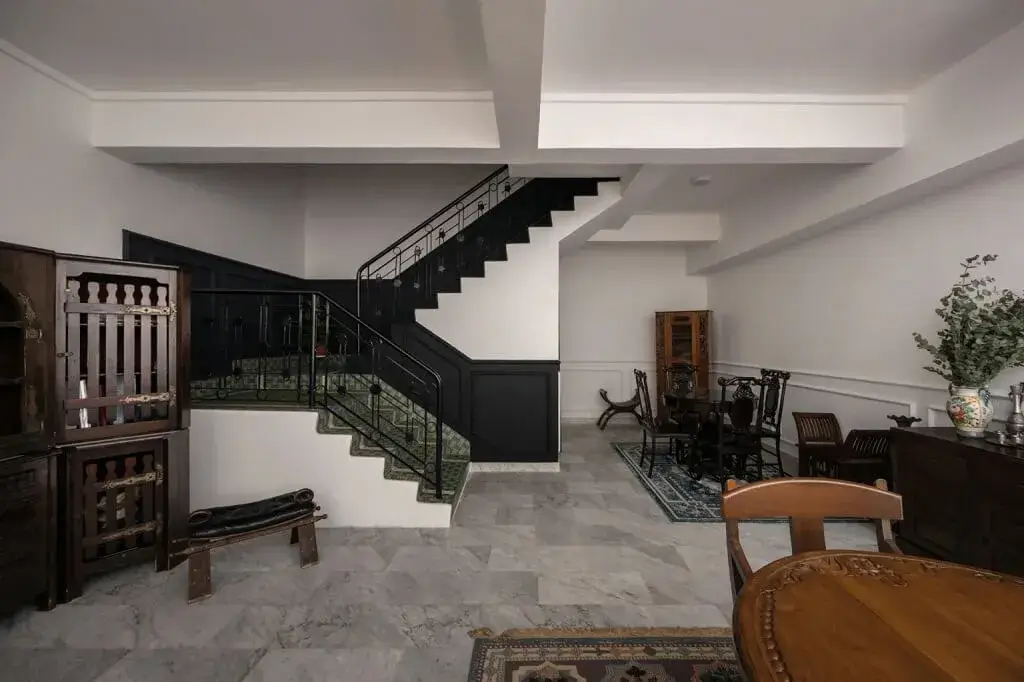
When we talk about landed house interior design in Singapore, many homeowners share the same expectations. You picture space, freedom, and the ability to implement every design idea you have collected over the years. In reality, landed house interior design in Singapore still comes with layers of constraints that shape every landed interior design project.
As a design firm working closely with landed property owners, we see this every day. The design and renovation process is about making thoughtful decisions that balance layout, structure, and lifestyle. Even the best interior design team cannot execute every idea without compromise. A successful landed house interior design Singapore outcome depends on prioritising what truly matters.
Why Landed House Design Still Requires Compromise
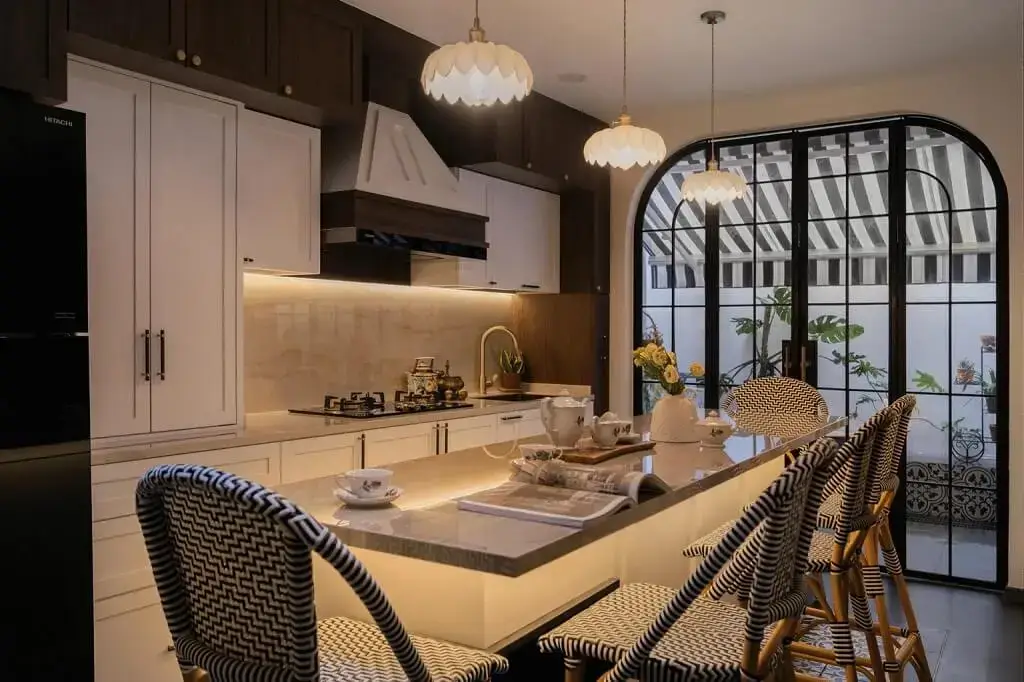
In landed homes in Singapore, constraints come in many forms. The placement of structural load-bearing walls, staircases, ceiling heights and plumbing stacks all influence the internal design process. Not to mention that URA and BCA regulatory guidelines come into play, which govern what types of renovation works are permitted.
When we approach a landed house interior design project in Singapore, we often have to work around these fixed elements. This is where the design approach becomes critical. A strong design team will adapt the design concept instead of forcing impractical changes. The renovation journey becomes a series of informed trade-offs rather than idealised decisions.
Space vs Function — The Illusion of “Unlimited Space”
Many assume that landed houses automatically solve space limitations. Once we step into a landed house, we often notice inefficiencies in circulation and layout. Large homes can still feel awkward when space is not allocated properly. The interior space needs to be divided into circulation, storage, private areas, and open living zones.
We have seen landed home interior layouts where oversized living areas reduce functionality elsewhere. Bedroom sizes become inconsistent, and service areas are neglected. The idea behind customised interior design is to reallocate space to best fit the way you really live. A well-designed landed house interior layout is always about lifestyle, not square footage.
When designing a landed house interior design project in Singapore, we often integrate storage into architectural elements. Full-height cabinets and concealed compartments allow us to maintain openness without sacrificing practical interior design needs. Without this, even large landed homes in Singapore can feel cluttered.
Natural Light vs Privacy
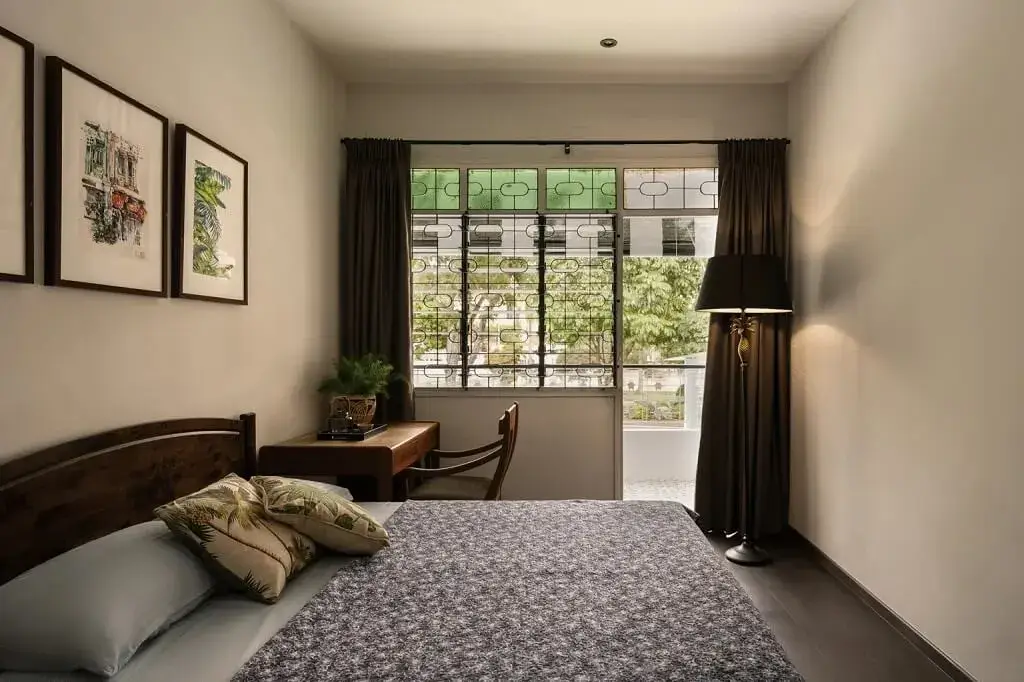
The importance of natural light, such as wide windows that flood the interior, also raises privacy concerns. Many landed properties in Singapore have neighbouring houses that are close enough to look into one another.
We often balance this by using layered design solutions:
- – Recessed windows
- – Louvre panels
- – Skylights and light wells
- – Architectural shading elements
This interior design approach allows us to improve daylight without exposing the home. Orientation also plays a big role. Sun exposure affects heat gain and material durability, especially in Singapore’s climate.
Homeowners sometimes request large glass panels without considering glare and privacy. As a design firm, we carefully guide these decisions. A well-executed interior design for a landed property should feel bright yet comfortable and private.
Open Concept vs Structural Reality
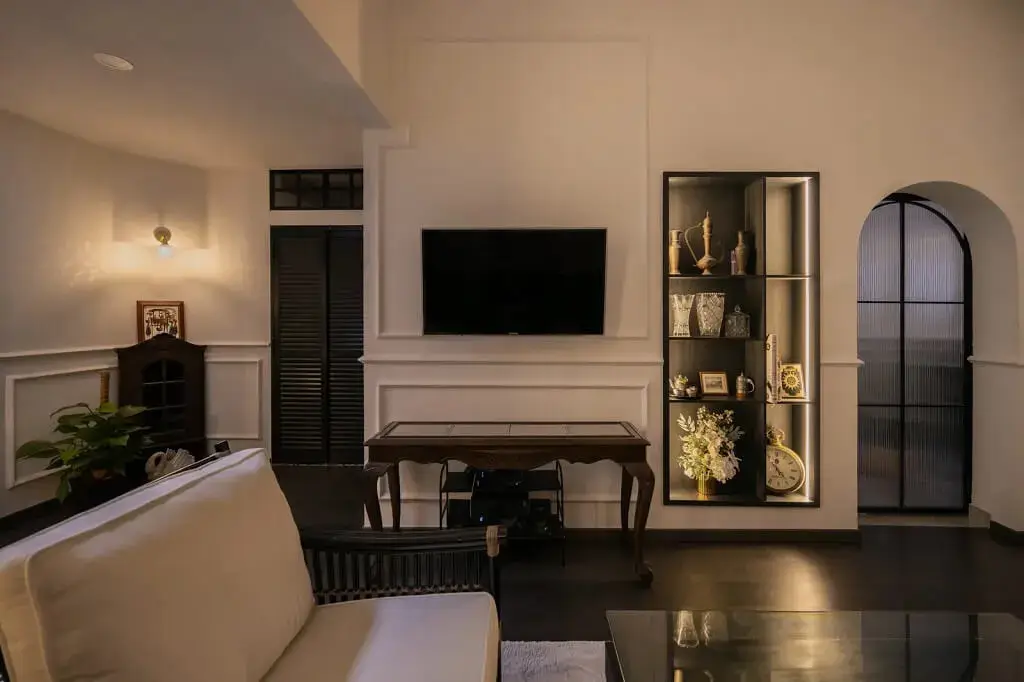
Open layouts are often requested in landed house interior design projects in Singapore. However, structural walls, beams, and columns limit how much we can modify the layout. These elements are part of the house’s design and cannot be removed at will.
In many landed interior design project discussions, we explain that:
- – Load-bearing walls must remain
- – Structural beams define ceiling lines
- – Staircases are fixed in position
When hacking is not possible, we redesign the layout around these constraints. Partial partitions, sliding panels, and visual zoning help maintain openness. This design-and-build approach ensures safety while achieving a modern interior design style.
We also involve structural engineers early in the renovation process when necessary. This ensures that any design ideas align with building safety standards.
Aesthetic Ambition vs Maintenance Reality
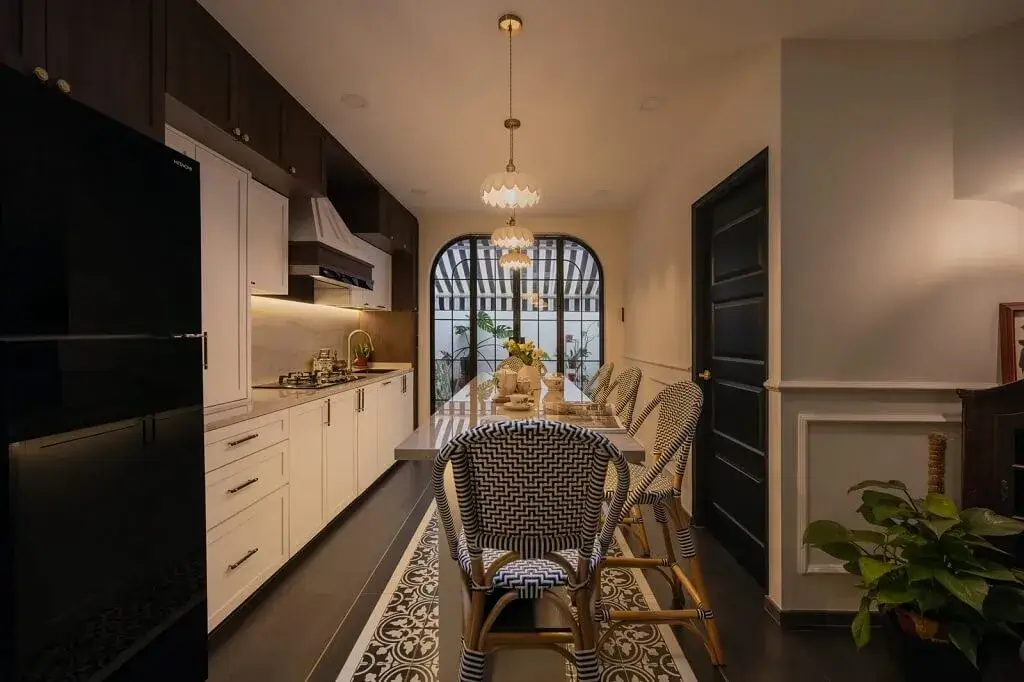
Homeowners often base material selections on visual aesthetics for most interior design projects in Singapore. The use of marble, raw timber and textured finishes is prevalent. However, such materials often demand high maintenance due to Singapore’s humid weather.
We have been able to take cases in which these delicate surfaces degrade fast. Wood can warp, marble can stain, and some finishes transform from their original states. This is why, as a part of our curated interior design solutions, we sometimes suggest alternatives.
For example:
- – Porcelain tiles instead of marble
- – Engineered surfaces instead of raw stone
- – Using treated laminates rather than untreated timber
These solutions, in terms of interior design, maintain the look while making it more sustainable and durable. A successful landed home design must strike a balance between beauty and long-term practicality.
Budget vs Long-Term Value
It’s a common misconception that a bigger budget automatically means a better renovation. In reality, thoughtful planning and prioritising the essentials first are what create long-term value in a landed house. The design and renovation process prioritises infrastructure over aesthetics.
Hidden problems often surprise homeowners during renovation work. As the renovation progresses, structural cracks, water seepage and outdated systems may arise. These must be addressed before moving into interior design elements.
We usually guide clients to focus on:
- – Plumbing and electrical systems
- – Air-conditioning infrastructure
- – Structural stability
Carpentry and decorative elements can be phased later. This design process ensures long-term value. The best interior design outcomes are built on strong foundations, not just visual impact.
Design Vision vs Family Lifestyle
A landed house interior design project in Singapore should reflect how you live. We start with the basics — daily routines, family dynamics, plans for the future. No matter your ideal interior design ideas, without this, they can fall flat.
We’ve seen formal living rooms that are never used and kitchens that don’t suit cooking habits. Yes, it must be gorgeous, but interior design needs to result in a space that works in real life. This includes storage planning, circulation flow, and flexible spaces.
There’s a family structure, too. Multi-generational homes need privacy and shared spaces. Kids need flexible layouts at home. Personalised interior design ensures the home grows with your ever-changing lifestyle.
Design Consistency vs Architectural Constraints
Many landed homes come with architectural elements that cannot be changed. Columns, beams, and staircase positions affect the flow of the interior design. Instead of removing these, we integrate them into the design concept.
We often turn structural elements into features:
- – Columns integrated into cabinetry
- – Beams used to define zones
- – Repetition of materials for visual continuity
This contrasting interior design style allows a unified look even in complex layouts. This isn’t to say the constraints aren’t disruptive — they may very well be — but a strong interior design team makes them feel like an intentional creative choice rather than an imposed limit.
What We Would Do Differently in Our Own Landed Home
If we were designing our own landed house interior design project in Singapore, we would prioritise the layout first. Circulation and functionality shape how the home feels day to day. A beautiful home without flow becomes frustrating over time.
We would also focus on:
- – Natural ventilation
- – Flexible room layouts
- – Durable material choices
- – Early storage planning
These decisions influence long-term comfort. Aesthetic trends may come and go; practical design endures. A successful landed house interior design project in Singapore always considers future lifestyle changes.
The Reality of Great Landed House Interior Design
Great landed house interior design projects in Singapore are about the right compromises. All landed property designs come with trade-offs between their structure, budget, and lifestyle. The goal is not perfection. The goal is balance.
As a design firm, we work with homeowners to clearly walk through this design journey. We emphasise functional layouts, long-lasting comfort, and other design solutions that facilitate daily living.
If you’re planning a landed house interior design project in Singapore, let us help make the process smoother and more enjoyable. Our goal is to create a home that feels just right for you.
FAQs
Why are compromises common in landed house interior design projects in Singapore?
Structural, regulatory, and environmental factors typically constrain projects in landed house interior design in Singapore. Such factors, however, also impose constraints upon design flexibility and need to be prioritised.
What challenges are unique to landed house interior design in Singapore homes?
Some of the challenges are structural walls, humidity levels, privacy, and regulatory guidelines. These affect both renovation and interior design decisions.
How do designers decide which compromises to make?
Designers assess lifestyle requirements, structural viability, and budget. The approach is to find the best balance between function and aesthetics.